#Training
HSE personnel training and development: modern remote formats, interactive training grounds for hazardous work, gamification, and on-the-job microlearning. Transitioning from formal planned briefings to continuous educational programs converting theory into sustainable skills.



Environmental Competence Development Program: Generating an ECO-Future
A practice-oriented system for developing environmental competencies and a safety culture at Novovoronezh NPP, spanning the entire cycle from kindergarten to school, university, and enterprise in partnership with 7 universities, 15 educational institutions, and 35 commercial enterprises. The approach integrates educational initiatives, corporate volunteering, and active learning methods (role-playing simulations, case studies, scenario-based drills, and incident root cause analysis via 8D and 5...
Post-Authorization Training: How to Make Safety Information Part of the Job
Authorization to work independently is not the end of training, but the start of a long journey. Learn how to manage safety information so employees don't just listen to briefings, but understand risks and apply knowledge in practice every day.

Reading Is Not Enough: How to Turn Safety Information into a Practical Tool
Having detailed HSE instructions does not guarantee that an employee will act safely in a real-world situation. We explore how to reduce cognitive load and turn regulations into an understandable tool for workers.
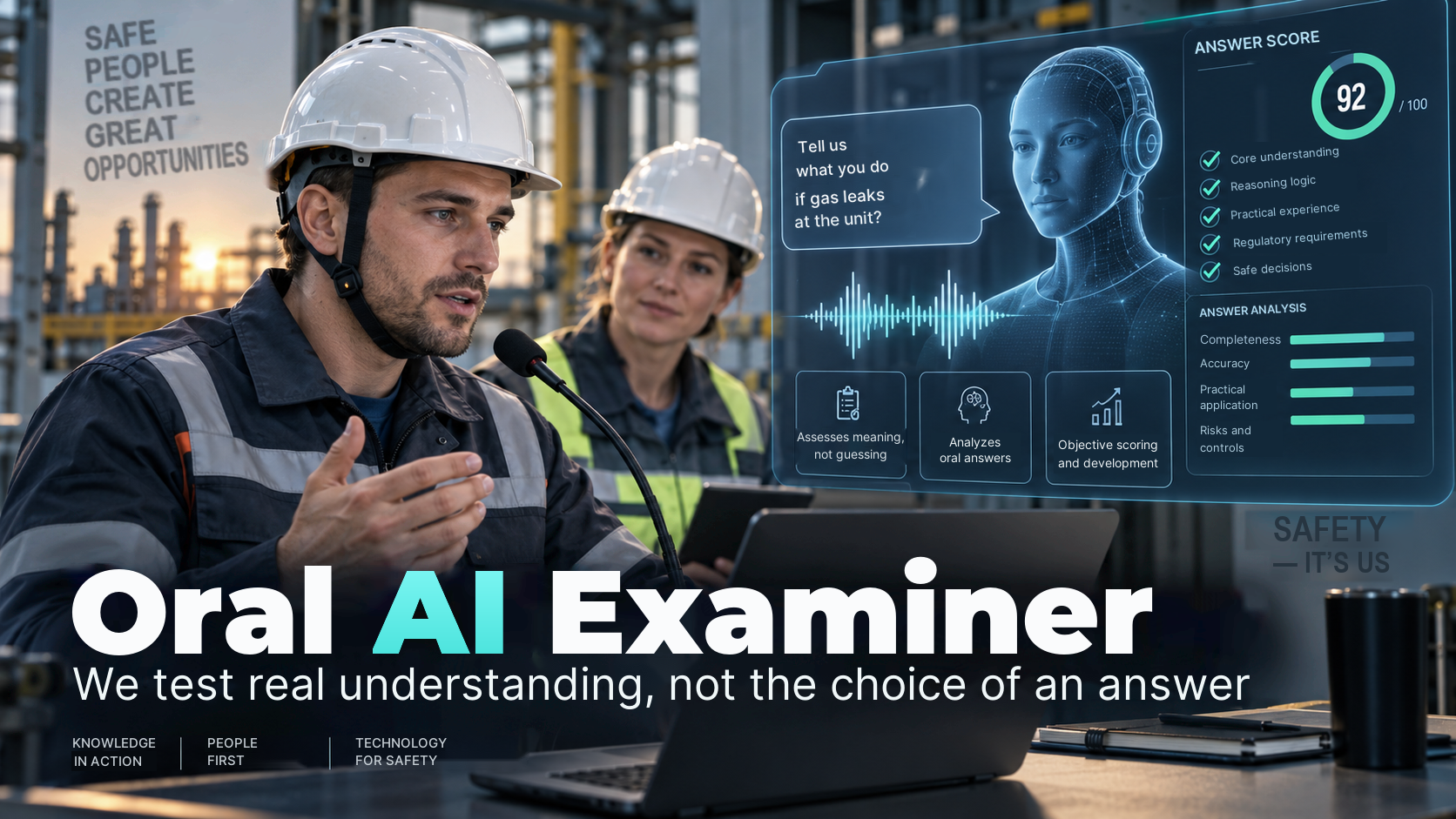
No Options A, B, and C: The Oral AI Examiner
How we went from a NotebookLM and Gemini combo and our own random question generator to a portable browser examiner that listens to the answer and assesses actual understanding. A pilot on 54 employees, an RSS code instead of a full name, and nine ready-made prompts to replicate it yourself.

Workplace Safety Culture from School Days
The foundation of a conscious attitude toward workplace safety is laid long before a career begins. Discover why it is important to build a safety culture as early as school, how to integrate it into the curriculum, and what benefits it brings to future professionals and employers.
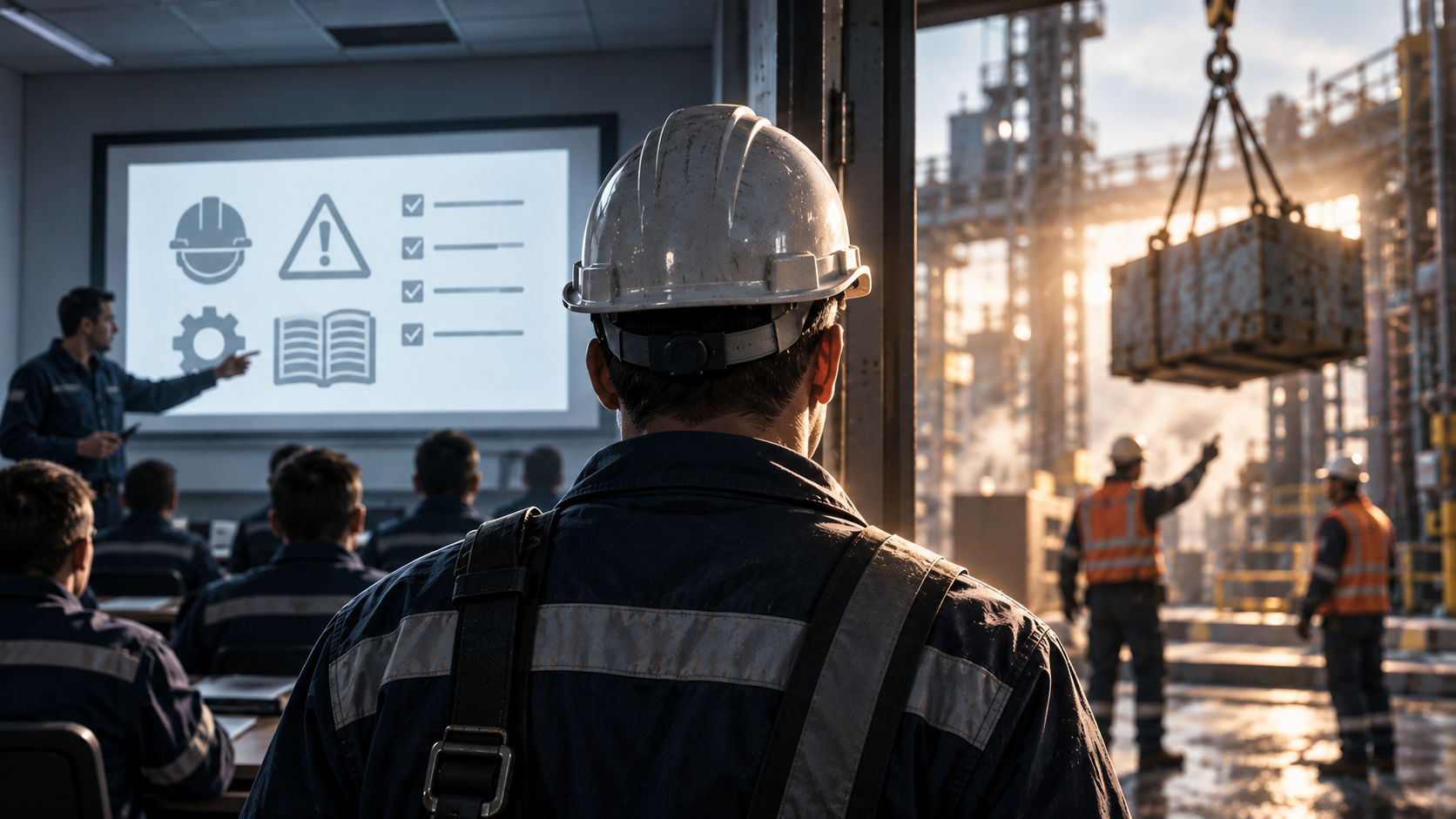
Why Safety Training Does Not Always Lead to Safe Behavior
A perfect safety test score does not guarantee that a worker will do the right thing on site. We examine why formal knowledge often fails in real conditions and how to reshape training so employees can recognize hazards and act safely.

When Information Becomes Overwhelming: How We Studied the Employee Journey to Independent Work Authorization
We walked the newcomer's path — from hiring to work authorization — and studied the full scope of briefings. Why 2,000 pages of requirements do not guarantee safety, how cognitive overload kills attention, and why training needs to be built around real situations, not regulations.

🛡️ Safety: HSE Induction Video — Sharing Our Experience
How to create an effective video for introductory occupational health and safety training without huge budgets? We share real experience of creating a video on our own: from idea to implementation for 3,000 rubles. Find out how to improve training quality and save specialists' time.
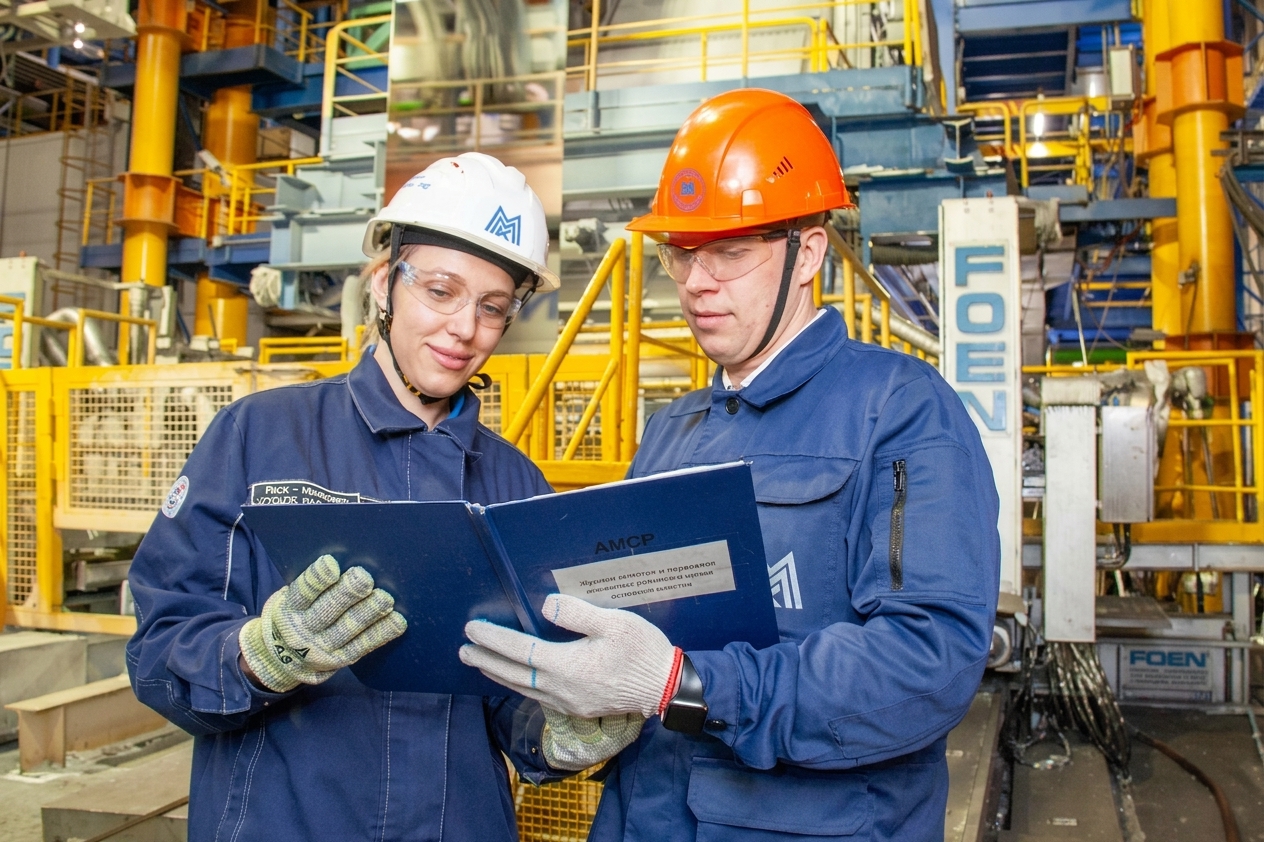
Guardians of Corporate DNA: Why Internal Safety Trainers Are More Effective Than External Experts
Tired of check-the-box briefings? Find out why internal safety trainers are more effective than invited experts. They speak the same language as the team, know real production risks, and turn boring rules into conscious habits, shaping a living safety culture.

New Paradigms in Personnel Training for Remote Sites and Fly-in Fly-out Operations
Transformation of the corporate training system for remote and FIFO sites amidst labor shortages and changing demographic profiles. A preboarding process has been implemented, starting remote training before arrival at the site, alongside targeted hybrid educational solutions. For safe skill practice, VR simulators with error analytics are used, while prompt libraries based on artificial intelligence and a 360-degree assessment system are utilized for on-the-job self-study.

Process of Establishing a Corporate University Division with Mandatory Training Functions
Establishment of a separate corporate training center at a remote production site for mandatory personnel training and authorization. The system includes three tracks: training from scratch under an apprenticeship contract, supplementary training for specialists with formal certificates, and mastering related trades. The infrastructure combines theoretical classrooms and training grounds for practicing safe work skills, which both staff employees and contractors must pass through.

AI + Automation in HSE
Implementing artificial intelligence tools to automate routine HSE processes. Practices include using AI bots to collect Near Miss data, hybrid search systems (RAG) for regulatory databases, software robots (RPA) for reporting, and generating engaging content for briefings.