Fresh publications
in the Expert Blog

Pre-Job Safety Briefing: From Legal Requirement to a Quality Control System
A "tick-the-box" briefing does not prevent injuries. We explore the implementation of a pre-shift safety briefing standard at an industrial site: 6 mandatory steps of crew dialogue, a hazard identification card, a quality control checklist for HSE specialists, and photo verification.

Taking First Aid Training to the Next Level
How can industrial emergency responders prepare for real-world incidents? We examine the practical use of realistic trauma and wound simulators (180 cm tall, 80 kg): from controlling external bleeding under Order No. 220n to treating burns, fractures, and chest wounds, and evacuating casualties at temperatures down to -20 °C.
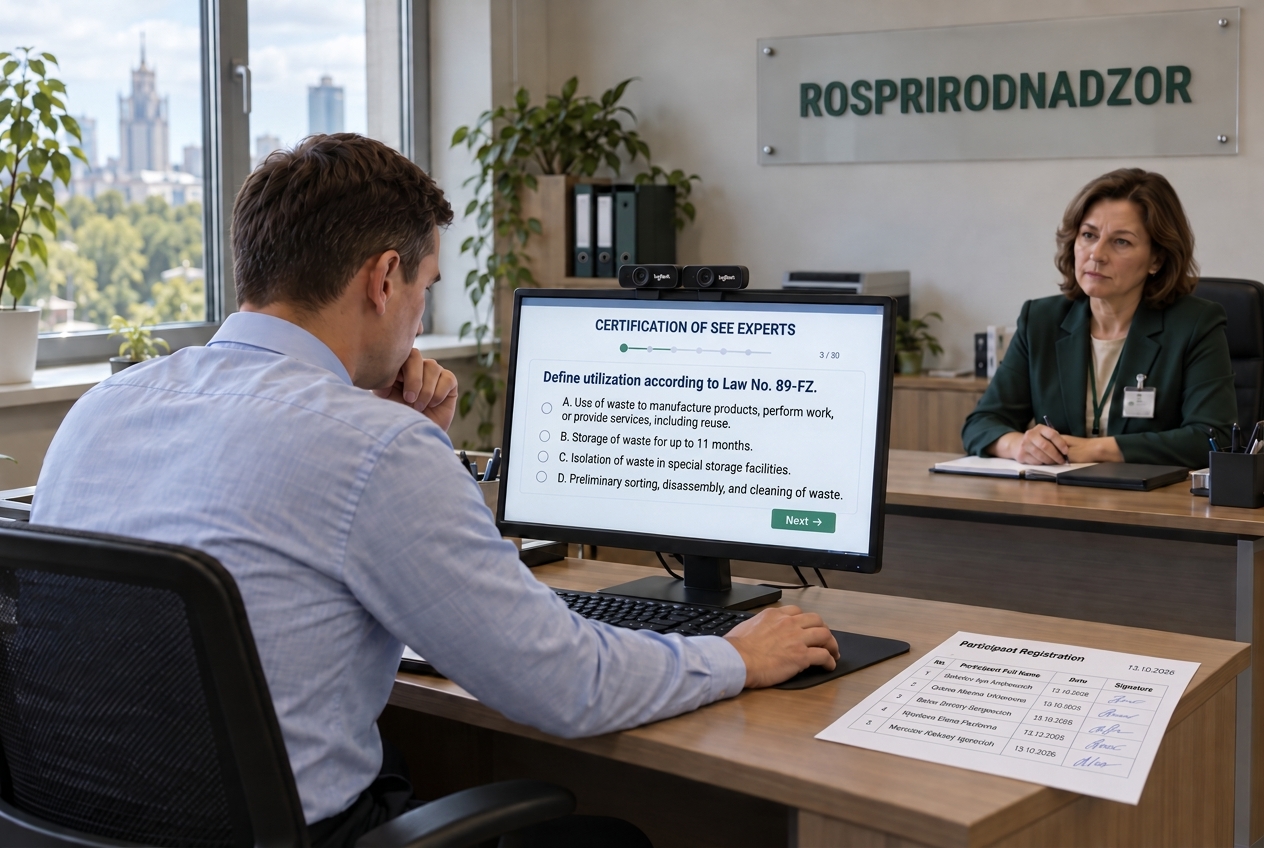
SER Expert Certification at Rosprirodnadzor: Preparation Experience and Pitfalls
A practical breakdown of State Environmental Review expert certification at Rosprirodnadzor under Order No. 110. How to choose certification areas, apply via Gosuslugi, avoid testing traps, and why practical environmental experience alone is not enough to pass the exam.

Behavioral Safety Traps
Why do employees commit unsafe acts even when clear instructions are in place? We break down four key workplace behavioral traps—from fatigue and communication breakdowns to group risk-taking and hasty error correction—and provide tools to prevent them through behavioral safety audits.

Why Your Fire Alarm "Lies" and How Much a False Alarm Costs Your Business
Frequent false fire alarms lead to production downtime, employee alarm fatigue, and the dangerous disabling of safety automation. We break down SP 484 requirements, the root causes of detector failures, a formula for calculating hidden financial losses, and a step-by-step action plan to protect your facility.

The Image of the HSE Function as a Tool for Safety Culture Development
Why do workers hide risks from safety professionals, and how can companies shift from policing to partnership? We explore Nornickel's experience: four factors of HSE perception, shop floor placements, and a feedback system that turns the department's image into a practical safety tool.

🛡️ Safety: Safety Observation Program (UC RUSAL) | Part 3
How do you design an evolution? How many hazards lurk in your facility's blind spots? How do you assign an owner to every square meter? Line manager autonomy matters. Safety observations: breaking down the mechanics and foundation of a management program.

When Deviation Becomes the Norm
Two major incidents show how unsafe practices become entrenched within existing safety management systems. We examine why regular inspections do not guarantee barrier reliability and how open dialogue with contractors helps identify and eliminate hidden risks.