#Dynamic risk assessment
Dynamic Risk Assessment (DRA) as a tool for making safe decisions immediately prior to and during work. Focuses on the implementation of continuous risk review by line personnel: 'Stop and Think' methodologies, 'last minute' assessments, and utilizing digital mobile assistants.

Safe Behavior in the Workplace: A Psychologist's Recommendations
How can you increase safety awareness among frontline workers using simple self-check questions? We explore a three-stage psychological support methodology—before starting, at the workstation, and after completing a task—that helps identify risks early and prevent unsafe actions.
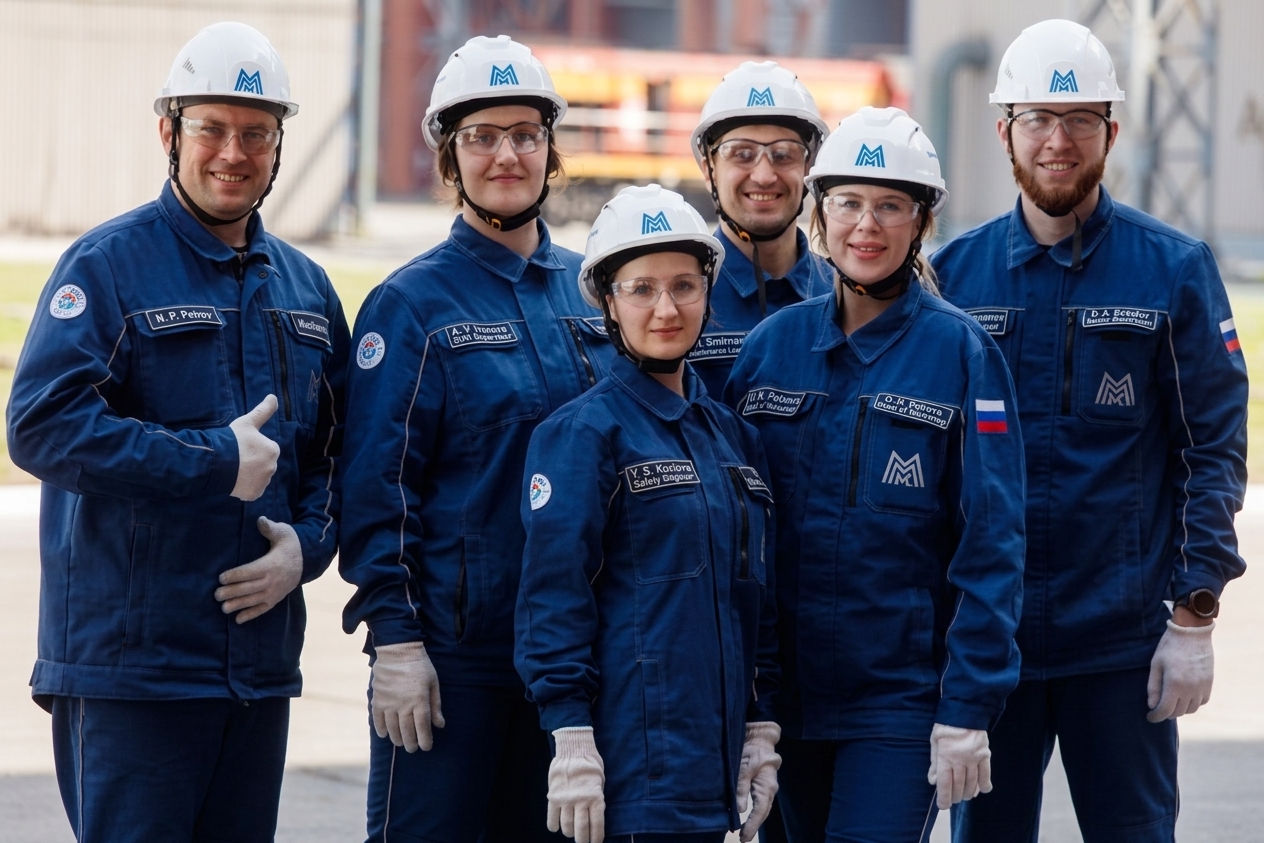
Dynamic Risk Assessment in Metallurgy: Three Rules of Preventive Safety
Find out how dynamic risk assessment (DRA) is changing the approach to safety in metallurgy. Three key rules for continuous workplace threat analysis that help prevent accidents in extreme production environments.

Dynamic Risk Assessment: The Key to Safe Work Execution
The article is dedicated to dynamic risk assessment (DRA) — an operational paperless assessment performed before starting and during work to identify and prevent hazard factors. The material examines the algorithm for conducting the assessment based on the traffic light principle, as well as common employee mistakes when analyzing threats. The publication contains recommendations for the effective implementation of DRA at the site for transitioning to conscious safe behavior and protecting worke...

How to Avoid a Fatal Error in a Critical Situation and What Does Practice Have to Do With It?
Individual 15-minute emergency drills at the workplace (DRA Workshop). The trainer simulates an emergency, and the worker physically performs the necessary actions, followed by developmental feedback.

AI Transformation in HSE: Real Cases, Myths, and the New Role of Specialists
Implementing artificial intelligence in HSE processes across four levels: from using basic generative networks for document management to creating a unified AI safety management architecture. Practical applications include automating responses to prescriptions, dynamic risk assessment via Telegram bots, and deep root cause analysis of incidents with fault tree construction.

Living Safety Culture: From Instructions to Communications
Implementation of internal functional coaching and communication practices to develop a safety culture. The approach includes training line managers in live incident reporting (storytelling, dialogue, rituals) and improving the effectiveness of safety tools (DRA, BSA) through open dialogue with employees.

Critical Risk Management Through a Barrier Approach
Transitioning from formal hazard lists to a dynamic critical risk management system via a barrier approach. Practices include integrating risk assessment into the budget campaign, distributing barrier control responsibilities among management levels during walkarounds, and building a motivation system based on risk identification.

Developing a Safety Culture with Limited Resources
Implementation of basic safety culture tools under limited resources at geographically distributed oil and gas production facilities. Practices include visualizing rules, installing mirrors for PPE checks, marking hard hats of first-aid ready employees, and launching a hotline and Hazard Observation Card (HOC) system with financial motivation for proactivity.

To Punish or to Pardon: Line Walkdowns Put the Comma in the Right Place
Transforming line walkdowns from a punitive tool into a proactive risk management process. Implementing cross-functional "risk hunting," abandoning the fine system in favor of developmental conversations and rewarding safe work.

Formation and Development of Safety Culture in Contractor Organizations
A comprehensive program for building a safety culture among contractor employees, including face-to-face training with an internal motivational trainer, adapting tools to the personnel's level, and monitoring retention in the field. The practice also includes a supervising institution and a mechanism for replacing fines with proactive HSE investments.

Risk Hunting
The article discusses "risk hunting"—a universal tool for identifying hazards in production and in everyday life. As part of this method, a team of experts identifies potential threats and suggests measures to eliminate them or reduce them to an acceptable level. The material explains how dynamic risk assessment helps anticipate negative scenarios, prevent incidents, and develop a safety culture.
What Subtleties Hide Behind "Stop Unsafe Work"
Implementation of the "Stop Unsafe Work" tool involving line personnel in identifying hidden risks. The practice includes using a mobile app to record risks, mandatory worker participation in the corrective measures commission, and a reward system for using the tool without applying sanctions.