Dynamic Risk Assessment: The Key to Safe Work Execution
Dynamic Risk Assessment (DRA) – in simple terms, is a prompt, undocumented assessment of the risk level performed before starting and throughout the execution of work.
The goal of DRA is to identify and prevent potentially unsafe acts, conditions, and risk factors.
Core principles of DRA:
- Transitioning from automatic work execution to conscious behavior.
- Developing risk-oriented thinking.
- Understanding the causes and consequences of unsafe acts.
- Fostering a responsible attitude toward one's own safety and the safety of colleagues.
When is DRA conducted:
- at the beginning of the work shift before starting work;
- during the workday before starting the next type of work;
- when work conditions change (environment, work procedures, tools, etc.);
- in the workplace and off the job;
- in general – CONSTANTLY.
| DRA can be represented as a traffic light: | 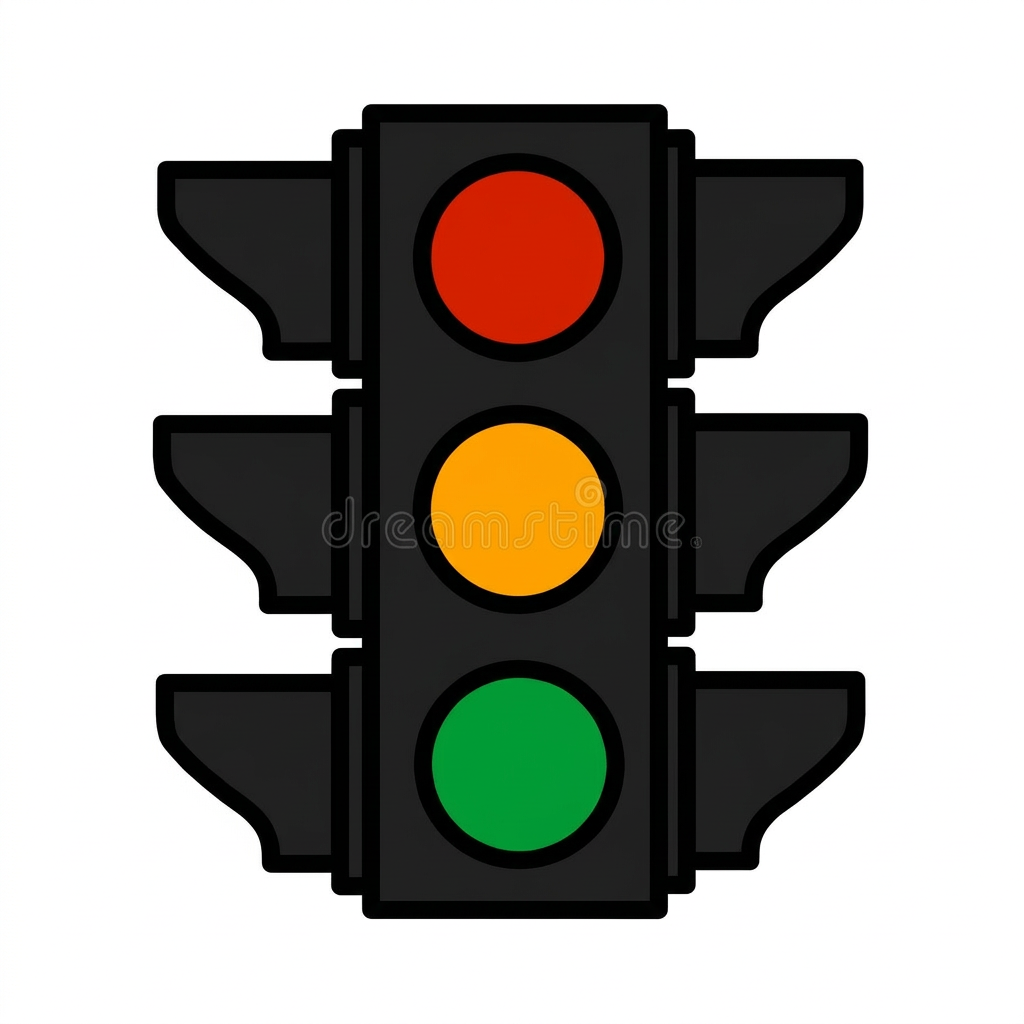 |
|
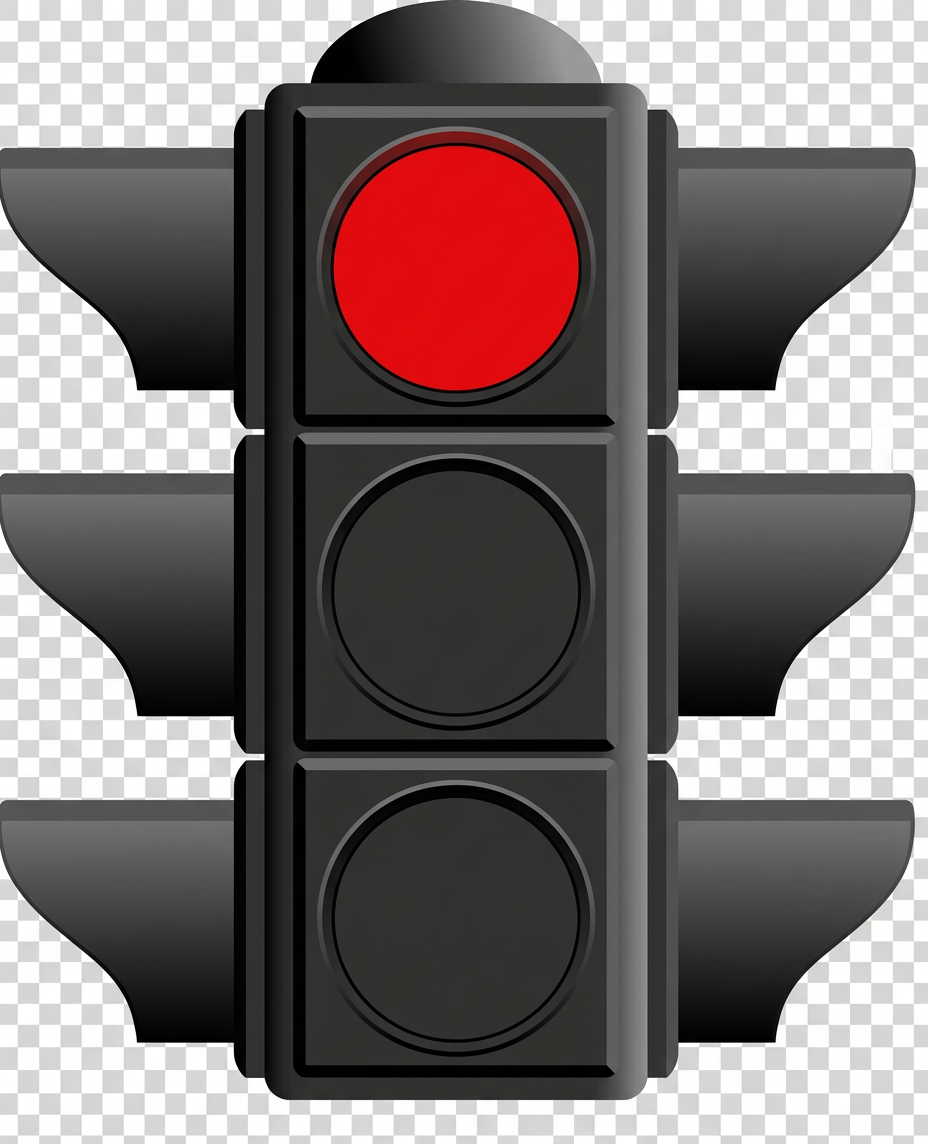
Red traffic light |
Assess the risk factor |
 |
When performing work, before taking action, pause and think to prevent mistakes.
|
Identify hazards and potential consequences!
Think about and consider what hazards may arise for you and your colleagues while performing the work.
- Identify what hazards to human life and health, the environment, and property exist or may appear at each stage.
- Think about what hazardous events could occur (how hazards could affect people, the environment, or property).
- Consider how severe the consequences of these impacts could be.
|
Yellow traffic light |
Analyze the possibility of minimizing the risk |
 |
Decide how to protect yourself and others from hazards! Analyze ways to prevent negative situations according to the key analysis questions:
|
Decide what to do in emergencies!
- What could go wrong, and what abnormal situations might arise?
- Do you know how to act in an abnormal situation?
- Will you be able to call for help or provide it yourself?
|
Green traffic light |
Take action |
 |
If the worker is firmly convinced that they know the correct answers to the questions and is confident in their knowledge and experience, they proceed to the third stage. Make a decision on whether to start or continue the work!
|
In case of doubt, do not rush to perform the work – consult with others, do not hesitate, as safety is paramount for both you and the team; contact your supervisor. Develop and implement the necessary additional protective measures!
Based on the analysis results:
If the analysis results in a decision that the work (action) can be performed safely, the worker (group of workers) performs the work in compliance with all necessary safety measures.
If the analysis results in a decision that the work CANNOT be performed (started or continued) safely, the worker (group of workers) must stop the work or not start it and contact their immediate supervisor.
What are the typical mistakes workers make when conducting DRA?
- misunderstanding the causes and consequences of unsafe acts;
- failing to consider potential work conditions (environment, work procedures, availability of tools).
To effectively implement DRA, it is necessary to:
- prepare implementation activities;
- conduct initial training and then determine the frequency of refresher training;
- regularly evaluate the effectiveness of the tool through metrics of identified non-conformities or incidents at the facility;
- ensure the availability of posters describing the DRA procedure at the facility in the areas where work is performed.
DRA is not paperwork, but a living tool to protect lives!