#Environmental protection
Environmental protection and minimizing ecosystem impact. Practical environmental management at facilities: from emission monitoring to land reclamation. Innovative solutions for closed-cycle water use and emission reduction.

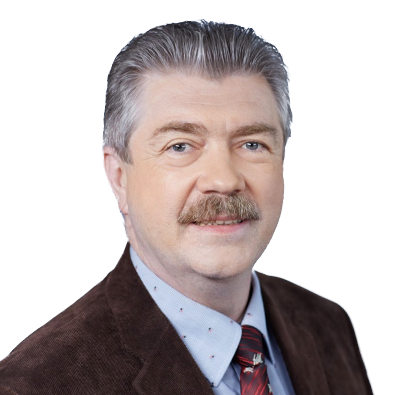

Environmental Competence Development Program: Generating an ECO-Future
A practice-oriented system for developing environmental competencies and a safety culture at Novovoronezh NPP, spanning the entire cycle from kindergarten to school, university, and enterprise in partnership with 7 universities, 15 educational institutions, and 35 commercial enterprises. The approach integrates educational initiatives, corporate volunteering, and active learning methods (role-playing simulations, case studies, scenario-based drills, and incident root cause analysis via 8D and 5...
Waste Management Lifecycle Through the Lens of Environmental Safety Culture: A Course Toward Excellence
A systematic approach to waste management and fostering an environmental safety culture at a nuclear power plant. Practices include integrating environmental requirements into procurement procedures for contractors, visualizing waste accumulation points at work areas, and compacting thermal insulation waste using mobile compactors.

Pyrolysis as a Promising Environmental Technology
Implementation of a mobile low-temperature pyrolysis unit for the independent processing of carbon-containing waste (tires, oils, oil-containing waste) at remote construction sites. The technology reduces logistics costs, minimizes emissions (under 0.1 – 0.4 MPC), and yields secondary resources (pyrolysis gas, ash-mineral residue) without requiring a sanitary protection zone.

Science and Business Partnership in Implementing Infrastructure and Applied Science Projects in the Khanty-Mansi Autonomous Okrug-Yugra
Integration of scientific research into the business processes of an oil-producing enterprise to ensure environmental safety. Projects on greenhouse gas monitoring in swamp ecosystems, biodiversity research, and the creation of conservation value maps have been implemented.

Biodiversity Conservation as a Sustainable Development Tool for Zarubezhneft JSC
A systematic approach to biodiversity conservation in the company's regions of operation, including background environmental assessments before projects start and biotechnical measures. The program covers monitoring rare species populations using camera traps and cooperating with scientific institutes.

Subsoil Use Waste. Ecologists vs Geologists
Algorithm for determining the status of rocks and subsoil use waste in accordance with amendments to the Subsoil Law and Federal Law No. 89. The practice includes analyzing project documentation, controlling storage locations, and the targeted use of extracted rock to prevent double accounting and environmental fines.

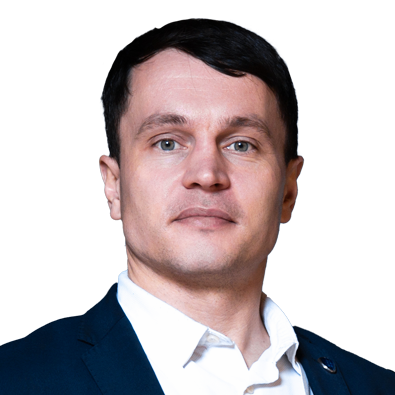
Current Trends, Regulator's Vector, Changes from 2026
Optimization of environmental payments for negative environmental impact (NEI) amid a multiple increase in rates. The practice includes transitioning from standard calculations to actual ones, detailing waste accounting, automating calculations, and strengthening financial discipline in interaction with supervisory authorities.

The Cornerstone of Environmental Investments: Offsetting Costs Against Negative Environmental Impact Fees
The article clarifies the legal mechanism for offsetting expenses on environmental protection measures when calculating payments for negative environmental impact (NVOS). The material considers the conditions for cost deduction through approved Environmental Efficiency Improvement Programs (PPEE) and Environmental Protection Action Plans (PMOOS), as well as the risks of fee recalculation with a coefficient of 100 if the required effect is not achieved. The author points out a legislative restric...

Sustainable Urban Construction
The article highlights the concept of ecological urban design as a rational response to rapid urbanization. The material examines the importance of eco-standards, accessible infrastructure, and urban recreation areas for preserving residents' health and protecting the environment. The practical implementation of such solutions is illustrated by examples of building redevelopment in Berlin and housing construction from recycled materials in Copenhagen.

Accounts Receivable (Overpayment) in Negative Environmental Impact Fees. Offset? Refund? Forget? Understand? Forgive?
The article is devoted to the issues of set-off and refund of overpayments of fees for negative environmental impact (NVOS), arising from advance payments and a limited statute of limitations. The author analyzes judicial practice, statutory timeframes for Rosprirodnadzor's administrative processes, and options for calculating quarterly advances. The material provides practical advice on choosing the optimal advance payment method, regular reconciliation, and maintaining a payment database to pr...

Yuck, it stinks! How to deal with livestock odors?
Combating unpleasant odors from livestock complexes and meat processing plants requires an individual approach to each source of their occurrence. The article analyzes a practical algorithm of solutions for farm ventilation systems, manure storage sites, and land plots when applying it to the soil. The material shows how, using proven methods, to find a balance between conducting business and the comfort of residents.
Human and Soil Health Criteria: What's the Paradox?
While medicine evaluates human health based on clear ranges of reference values, for Russian soil the concept of "health" does not exist in legislation, but there are only the terms "depletion" and "pollution". Due to the absence of regulatory "deltas" of indicators, any change in agrochemical composition — even the beneficial application of fertilizers — relative to the background sample legally risks being considered pollution. The author examines the paradoxes of legal regulation in crop prod...