Science and Business Partnership in Implementing Infrastructure and Applied Science Projects in the Khanty-Mansi Autonomous Okrug-Yugra
Environmental Safety and Partnership with Science
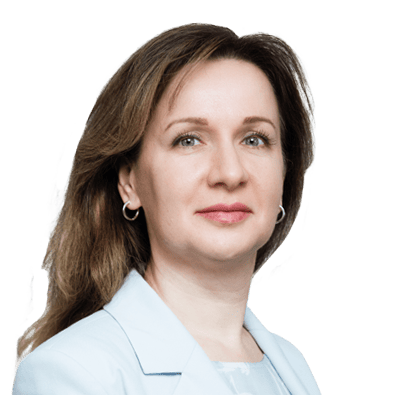
In modern hydrocarbon production, industrial and environmental safety issues come to the forefront. The integration of scientific approaches into business processes becomes a natural necessity for the sustainable development of the industry. In her presentation, Elena Sergeeva shares the experience of Salym Petroleum Development, a company that has been operating in the Khanty-Mansi Autonomous Okrug for over 20 years and demonstrates high standards of environmental responsibility.
The speaker notes that the company has achieved one of the highest rates in the industry for the beneficial use of associated petroleum gas — at the level of 98-99%. In addition, a greenhouse gas emissions management information system (CEEIS) has been implemented at energy facilities. This IT solution analyzes the operation of installations online and signals deviations, allowing for prompt improvements in energy efficiency and emission reductions.
Joint Projects with Yugra State University
For over 15 years, the company has been collaborating with scientists from Yugra State University (YSU). The speaker details three key joint projects that demonstrate the synergy of science and business.
Greenhouse Gas Monitoring Station
The flagship project is aimed at studying swamp ecosystems, which are a powerful sink for organic carbon and play a critical role in climate change adaptation. The goal of the project is long-term monitoring of greenhouse gas fluxes and carbon balance assessment. The equipment is installed with minimal impact on nature. This site became the first in the oil industry and was included in the regional monitoring network of the Khanty-Mansi Autonomous Okrug, data from which will flow into a single center based at YSU.
Biodiversity Monitoring
The second large-scale project is a three-year biodiversity study at the Salym group of fields. The project's objectives are to determine the zones of direct and indirect impact of economic activities on flora and fauna, and to develop an action plan to minimize this impact. At 89 monitoring sites, the company's ecologists and YSU scientists work together, collecting important data.
Conservation Value of Territories
The third project is based on the hypothesis that 80% of biodiversity can be preserved by protecting only 10% of the territory. Scientists have identified the most valuable landscapes and biodiversity "hotspots". Based on these data, conservation value maps have been created, which are actively used in the planning and construction of infrastructure facilities at the field.
What you will learn from this webinar:
- How do information systems help manage greenhouse gas emissions online?
- Why are swamp ecosystems critical for climate projects?
- How to organize long-term biodiversity monitoring at an operating field?
- How do conservation value maps help minimize impact during infrastructure construction?
- What is the practical benefit of cooperation between enterprise ecologists and academic science?