#Sustainable development
Implementing ESG principles and sustainable development strategy in industry. Integrating occupational safety and ecology into a unified business model. Cases on passing global social audits, cutting carbon footprints, and creating ethical working conditions.

Metalloinvest Group Environmental Strategy
Integration of environmental goals into the economic model of a large mining and metallurgical enterprise. Transition from qualitative to quantitative and financial assessment of environmental risks, where initiatives are viewed through ROI and production efficiency.

Implementation of Sustainable Development Principles by JSC Russian Railways
Implementation of the environmental strategy of JSC Russian Railways to achieve carbon neutrality by 2050. Introduction of an environmental monitoring system, development of renewable energy sources, installation of reverse vending machines for plastic collection, and industrial waste recycling.

Sustainable Development of JSC AK Tulamashzavod. Production Growth Combined with Improved Environmental Performance
Integration of environmental initiatives into the development strategy of a large defense industry enterprise. Implementation of a closed water circulation cycle, abandonment of river water consumption for cooling, localization of gas cleaning systems, as well as the organization of internal environmental audits and personnel education.

Zarubezhneft JSC Corporate Biodiversity Conservation Programs as a Tool for Developing Socially Oriented Business in Russia
Implementation of corporate biodiversity conservation programs as part of a sustainable development strategy. Experience in studying and conserving rare animal species (wild reindeer, Bewick's swan, West Siberian Siberian crane) involving employees, scientific organizations, and locals.
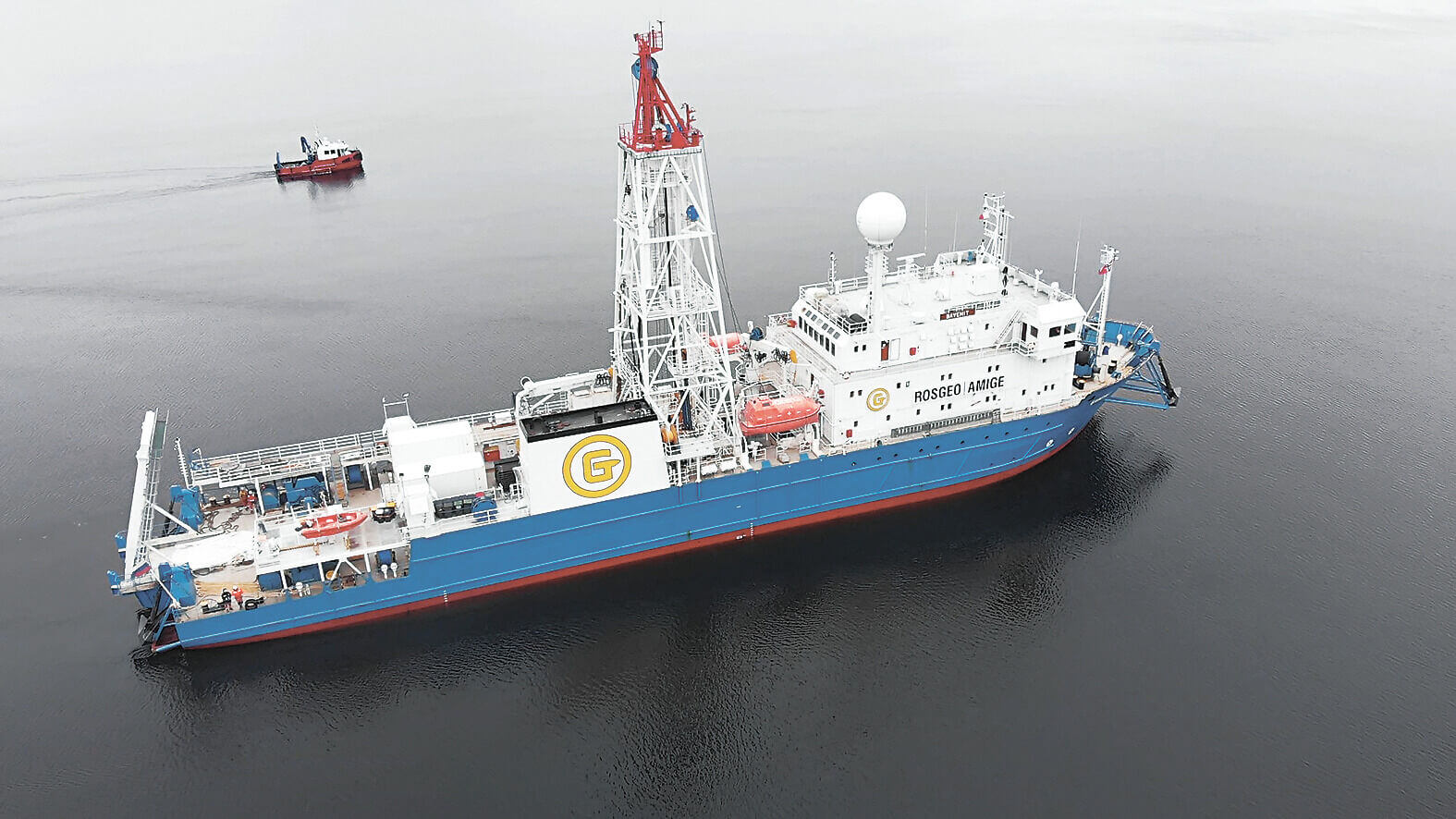
Improving Legislation on Aquatic Biological Resource Reproduction
The article is devoted to the imperfections of the current mechanism for assessing and compensating for harm to aquatic biological resources during economic activities. Based on the experience of JSC Rosgeology, the author substantiates the need for legislative changes that allow damage to be compensated not only in kind, but also in monetary form. The proposed amendments are aimed at increasing the transparency of calculations, preventing an unreasonable increase in business expenses, and effec...

Using Blockchain Technologies in HSE to Ensure Industrial Safety
The article examines the application of blockchain technologies in the field of occupational health, safety, environmental protection, and industrial safety for risk management and compliance control in production. The author explains how a distributed ledger ensures data transparency and immutability, eliminating fraud and allowing the organization of a permit-to-work system and safety briefings right now. The use of these solutions increases the level of trust between the parties, protects inf...

Digital Twins as a Tool for Optimizing Industrial HSE Systems
The article is devoted to the use of enterprise digital twins — virtual models of real objects — in the occupational health, safety, and industrial safety system. The material examines how mathematical modeling and sensor data collection help occupational health, safety, environmental protection, and industrial safety specialists identify vulnerable processes, evaluate the effectiveness of protective measures in advance, and train personnel on virtual simulators. The application of this technolo...

Internet of Things: IoT Solutions for Monitoring Workplace Conditions and Ensuring Rapid Response to Emerging Issues
The article is devoted to the application of Internet of Things (IoT) technologies in the field of occupational health and safety and industrial safety for monitoring working conditions at enterprises. Using sensors and wearable devices, "smart" systems collect data on equipment condition and employees' physiological parameters, allowing workloads to be tracked and hazardous situations to be identified in a timely manner. The implementation of IoT solutions helps organizations manage occupationa...

AKKERMANN CEMENT ESG Agenda
Integration of industrial safety into the ESG strategy using cement production as an example. Implementation of an employee motivation system via a mobile app for risk identification, holding HSE competitions among contractors with targeted funding for working condition improvements, as well as the execution of environmental initiatives and online emission monitoring.
Using Dashboards in HSE
Dashboards are an accessible and visual data visualization tool that allows for a quick assessment of the current state of processes without specialized education in analytics. In the field of occupational health and safety, environmental protection, and industrial safety, their application helps to visually monitor the state of workplace safety, make informed management decisions, and improve employee discipline. The material examines options for using dashboards to control standards and manage...

Artificial Intelligence as a Future Assistant for HSE Specialists
The article is dedicated to the application of computer vision and machine learning technologies in the field of occupational health and safety and industrial safety. The author analyzes the use of artificial intelligence at three stages of incident management — from risk forecasting and real-time analytics to searching for implicit causes of incidents. Studying this material will help occupational health, industrial safety, and environmental protection specialists evaluate the practical benefit...

Shareholder and Stakeholder Leadership
Involving the Board of Directors in safety management through strategy approval, KPI formation, and specialized committees. Implementing safety requirements and non-financial reporting with suppliers to reduce operational and reputational risks.