Improving Legislation on Aquatic Biological Resource Reproduction
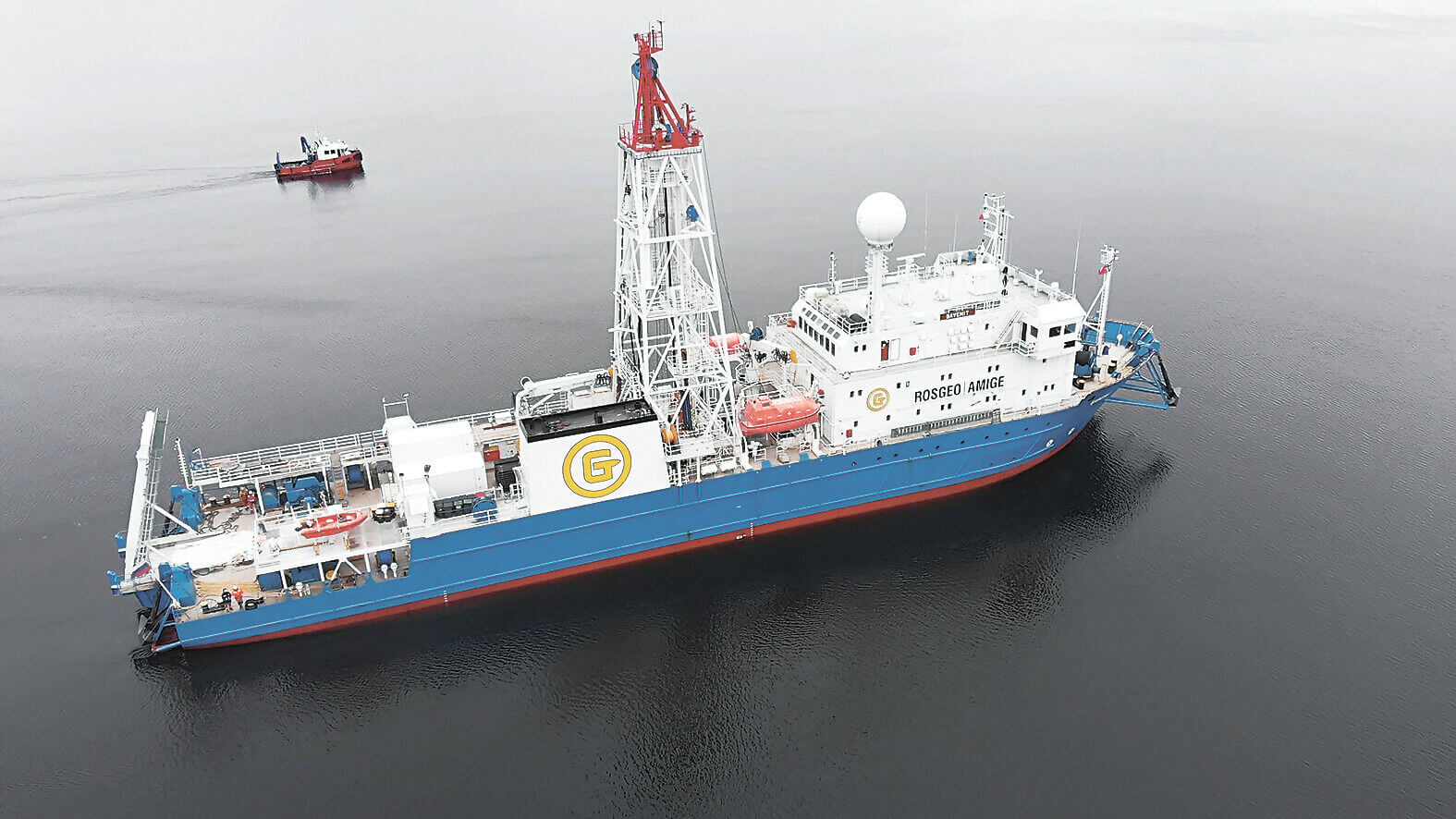
Rosgeologia Holding, as part of the implementation of the Strategy for the Development of the Mineral Resource Base of the Russian Federation until 2035, approved by Decree of the Government of the Russian Federation No. 2914-r dated December 22, 2018, carries out a range of deep seismic research activities based on state contracts. It also conducts measures to mitigate the negative impact on aquatic biological resources and their habitat (hereinafter referred to as "compensatory measures") through the artificial reproduction of aquatic biological resources.
While not denying the necessity of full compensation for damage caused to aquatic biological resources by economic activities, we have concluded that the current mechanism for determining the extent of such damage and the cost of its compensation in kind requires improvement.
In accordance with current legislation, the extent of damage to aquatic biological resources is determined at the planning stage of economic activity. Currently, only an in-kind form of compensation for expected damage is provided through the artificial reproduction of aquatic biological resources.
The extent of damage caused to aquatic biological resources is determined by calculation in accordance with the Methodology for determining the consequences of negative impact during construction, reconstruction, major repairs of capital construction projects, introduction of new technological processes, and other activities on the state of aquatic biological resources and their habitat, and the development of measures to eliminate the consequences of negative impact aimed at restoring their disturbed state, approved by Rosrybolovstvo Order No. 238 dated May 6, 2020 (hereinafter referred to as the "Methodology").
Despite the procedure for assessing damage to aquatic biological resources regulated in the Methodology, the key factor in its final calculation is the subjective assessment by Rosrybolovstvo authorities regarding the priority of restoring specific types of aquatic biological resources in a water body and the receiving capacity of that water body (paragraph 35 of the Methodology).
This approach leads to a situation where compensatory measures planned by an economic entity in strict accordance with the Methodology provide for the artificial reproduction of certain species of aquatic biological resources, but at the stage of approval by the authorized body, the entity is tasked with releasing a commercially equivalent quantity of more expensive, valuable, and highly valuable species.
Experience from JSC Rosgeo shows that compensatory measure calculations performed by economic entities in accordance with the Methodology and those ultimately approved by Rosrybolovstvo authorities can differ by a factor of 3 to 9.
Consequently, economic entities are burdened with the obligation to restore species that are not actually harmed, and the compensatory measures implemented do not correspond in value to the damage calculated according to the Methodology.
It should also be noted that current legislation does not provide economic entities with the option to choose the most technically and economically optimal variants for implementing compensatory measures (in kind or in monetary form). This increases the burden on business without achieving a reasonable balance between the economic indicators of lost and replenished biological resources.
To overcome existing legal challenges in this area, I believe changes are required to the current regulatory legal acts:
- to Article 50 of Federal Law No. 166-FZ dated December 20, 2004, "On Fisheries and Conservation of Aquatic Biological Resources," as well as to Decree of the Government of the Russian Federation No. 380 dated April 29, 2013, "On Approval of the Regulations on Measures to Conserve Aquatic Biological Resources and Their Habitat," regarding the possibility of compensating for damage to aquatic biological resources not only in kind but also in monetary terms;
- due to the lack of uniform law enforcement practice regarding the need to obtain permits for the turnover of animal species listed in the Red Data Book of the Russian Federation as applied to juvenile fish of aquaculture (not wild) origin, a unified law enforcement practice between Rosprirodnadzor and Rosrybolovstvo needs to be developed. A closed list of documents required for the permit, their form, and content should be defined, taking into account the specifics of large populations of juvenile fish;
- legal mechanisms and opportunities should be provided to compensate for damage to aquatic biological resources by transferring a fixed amount to the budget, to a target account (the funds of which can be used exclusively for artificial reproduction of aquatic biological resources), or through targeted contributions for the creation of new production facilities that ensure restoration measures, reconstruction, major repairs, expansion, or technical re-equipment of existing production facilities. The ability to determine a fixed amount of damage to be compensated, regardless of the cost of juvenile fish or their availability at fish farms, will allow projects to remain within budget and ensure deadlines for compensatory measures are met;
- to the Methodology regarding the introduction of a correction factor for calculating damage in kind and in monetary terms, which would prevent a multiple increase in the cost of compensatory measures when replacing one fish species with another, more valuable one.
All these recommendations and comments have been sent to government and departmental commissions involved in drafting regulatory legal acts. Implementing the relevant changes and amendments to the regulatory legal acts of the Russian Federation related to the reproduction of aquatic biological resources will increase the transparency and predictability of work, allowing companies to plan and carry out their activities more effectively.
Comments 1
The topic is interesting. About 5 years ago, amendments regarding the possibility of compensating damage to aquatic biological resources not only in kind but also in monetary terms were actively promoted by oil companies. There was even a report from the Russian Audit Chamber pointing to the need for this mechanism, but "things haven't budged."
Let's see how this "new round" of the initiative develops.