Cogeneration of Energy Resources as a Component of the ESG System
A new trend gaining popularity in the Russian business environment is the "Environmental," "Social," and "Governance" direction, abbreviated as the ESG agenda.
The priority of financial profit for companies is becoming inextricably linked with issues of creating a comfortable environment for employees, taking measures to reduce environmental impact for future generations, and improving the quality of management by company leadership.
All these components are aimed at enhancing brand reputation and building their market image.
ESG principles are becoming the foundation for sustainable development and business continuity.
One of the directions of the aforementioned ESG strategy agenda is addressing the reduction of losses during the production, transportation, and consumption of thermal and electrical energy. This is linked to the annual depletion of fossil fuel reserves and their resulting constant price increases, as well as the adoption of state-level measures aimed at energy conservation and improving the energy efficiency of enterprises.
One way to address these issues and comply with the proposed principles is the use of cogeneration power plants in industry as highly efficient means of utilizing primary and accessible energy sources, such as natural gas, for the subsequent generation of thermal and electrical energy.
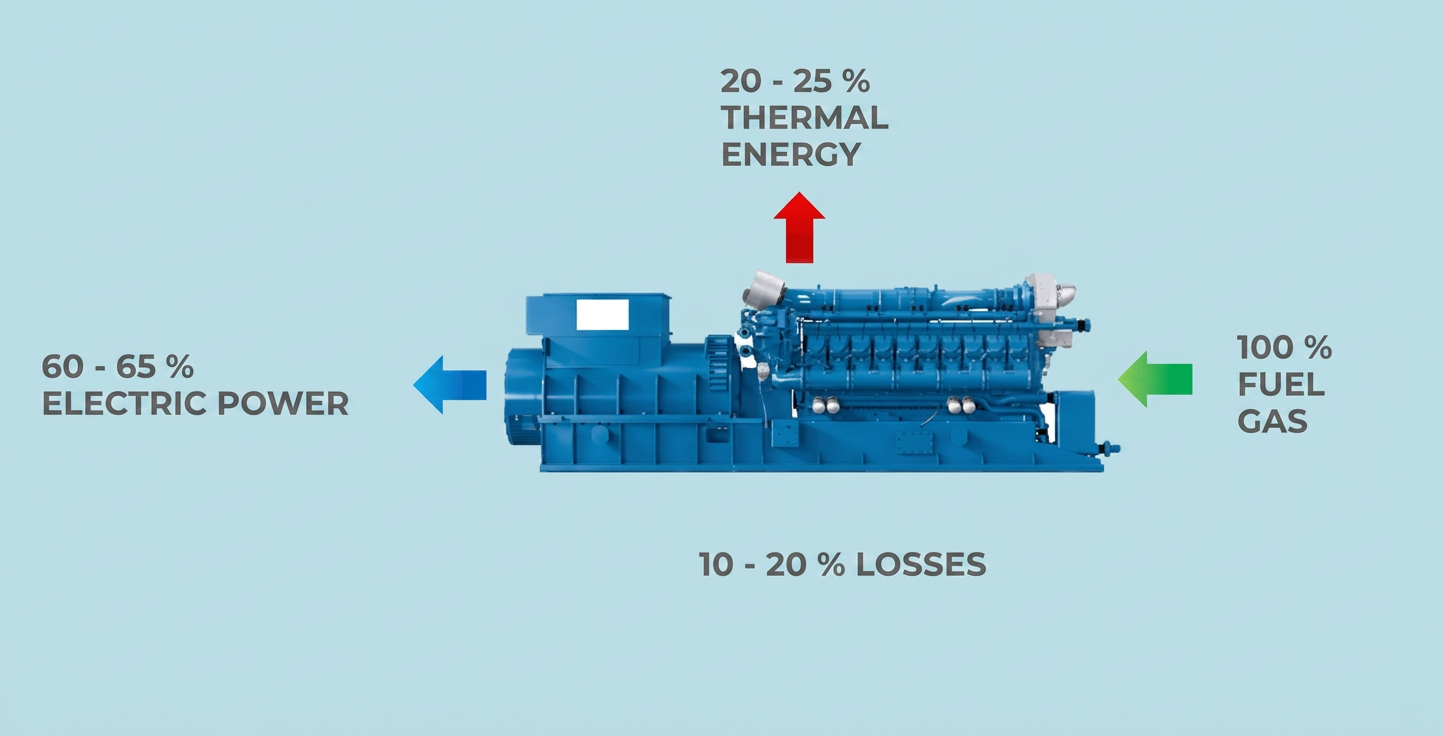
The main advantage of a cogeneration power plant lies in its high energy efficiency. A cogeneration unit significantly reduces the need for purchased electricity and utilizes thermal resources that are often lost during the energy supply process.
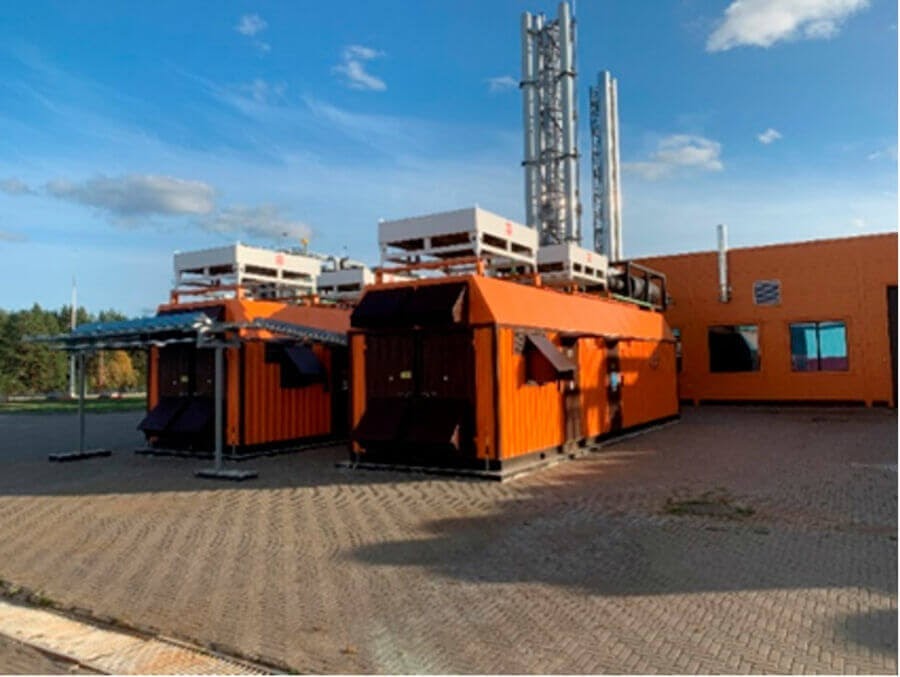
Gas piston and gas turbine modular units are examples of cogeneration power plants and include a gas engine, a generator, and a heat recovery system.
These units allow for independence from external power supplies and serve as an effective alternative to heating networks at any time of the year.
The savings achieved by enterprises from implementing self-generated electricity and thermal energy offset the costs of connecting to external heat and power grids and allow for the creation of a system of alternative, emergency power sources without abandoning the latter, using them as needed. The units ensure stable power quality, which is crucial when using high-tech equipment.
Capital expenditures for the installation and application of cogeneration units are compensated by the low cost of energy.
There are gas piston and gas turbine units; the choice depends on the power capacity required by the consumer.
From an environmental standpoint, the level of harmful emissions from modern gas turbine units does not exceed the maximum permissible emission values established by environmental legislation. Noise levels also comply with established standards.