#Environment
Environmental management and sustainable development during industrial transformation. Building functioning environmental impact systems at high-hazard enterprises. Integrating ecological departments into the ESG strategy.
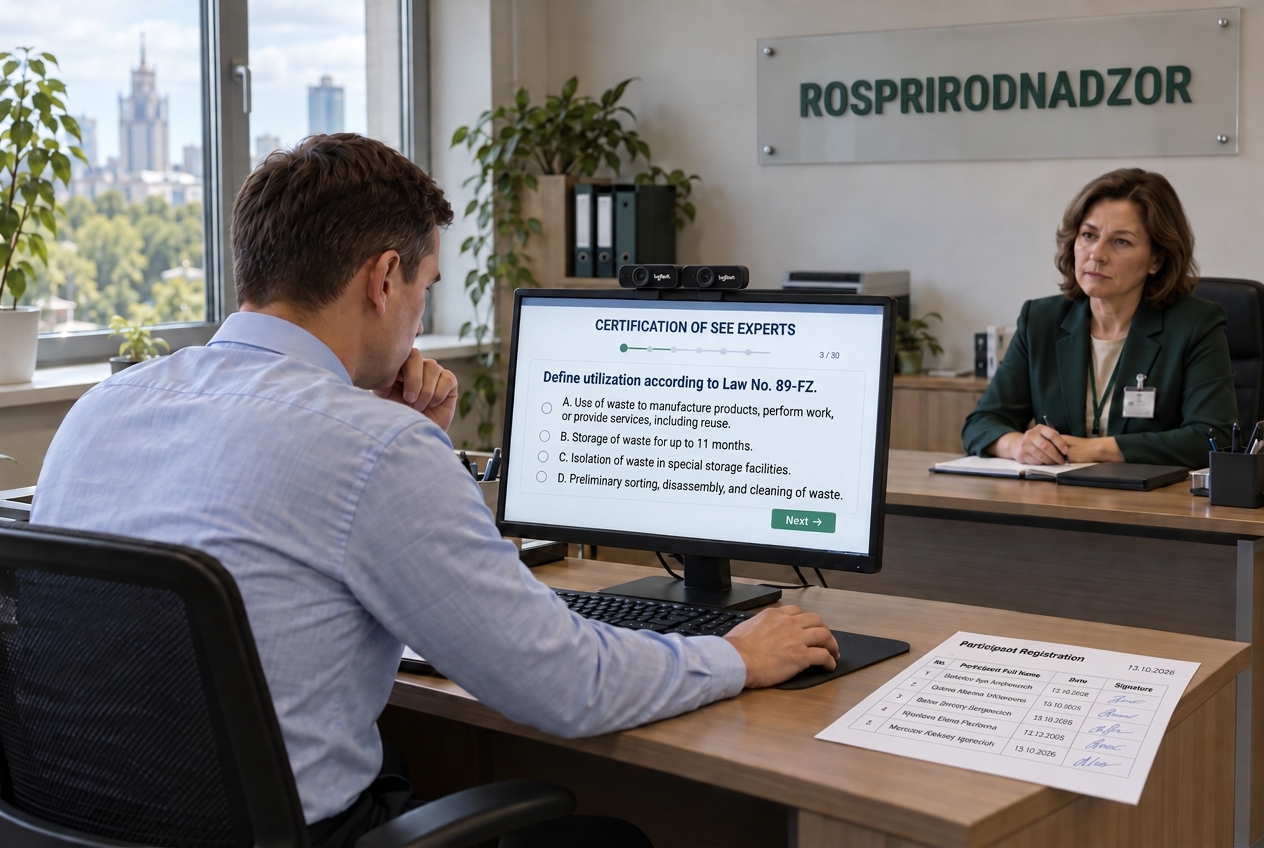
SER Expert Certification at Rosprirodnadzor: Preparation Experience and Pitfalls
A practical breakdown of State Environmental Review expert certification at Rosprirodnadzor under Order No. 110. How to choose certification areas, apply via Gosuslugi, avoid testing traps, and why practical environmental experience alone is not enough to pass the exam.



Environmental Competence Development Program: Generating an ECO-Future
A practice-oriented system for developing environmental competencies and a safety culture at Novovoronezh NPP, spanning the entire cycle from kindergarten to school, university, and enterprise in partnership with 7 universities, 15 educational institutions, and 35 commercial enterprises. The approach integrates educational initiatives, corporate volunteering, and active learning methods (role-playing simulations, case studies, scenario-based drills, and incident root cause analysis via 8D and 5...

Tanks that need no rescue: four layers of protection instead of endless repairs
A tank farm lives between two budgets — for painting and for consequence remediation. OTEKO's Production Safety Director breaks down how to stop fighting design consequences: a dome and internal pontoon instead of floating roof repair, a polymer liner instead of major overhaul, composite roof protection, and two levels of grounding — complete with numbers, regulatory references, and a checklist for the Industrial Safety department.

Pyrolysis as a Promising Environmental Technology
Implementation of a mobile low-temperature pyrolysis unit for the independent processing of carbon-containing waste (tires, oils, oil-containing waste) at remote construction sites. The technology reduces logistics costs, minimizes emissions (under 0.1 – 0.4 MPC), and yields secondary resources (pyrolysis gas, ash-mineral residue) without requiring a sanitary protection zone.

Science and Business Partnership in Implementing Infrastructure and Applied Science Projects in the Khanty-Mansi Autonomous Okrug-Yugra
Integration of scientific research into the business processes of an oil-producing enterprise to ensure environmental safety. Projects on greenhouse gas monitoring in swamp ecosystems, biodiversity research, and the creation of conservation value maps have been implemented.

Biodiversity Conservation as a Sustainable Development Tool for Zarubezhneft JSC
A systematic approach to biodiversity conservation in the company's regions of operation, including background environmental assessments before projects start and biotechnical measures. The program covers monitoring rare species populations using camera traps and cooperating with scientific institutes.

Subsoil Use Waste. Ecologists vs Geologists
Algorithm for determining the status of rocks and subsoil use waste in accordance with amendments to the Subsoil Law and Federal Law No. 89. The practice includes analyzing project documentation, controlling storage locations, and the targeted use of extracted rock to prevent double accounting and environmental fines.

Current Trends, Regulator's Vector, Changes from 2026
Optimization of environmental payments for negative environmental impact (NEI) amid a multiple increase in rates. The practice includes transitioning from standard calculations to actual ones, detailing waste accounting, automating calculations, and strengthening financial discipline in interaction with supervisory authorities.
Safety Culture: How to Ensure Gen Z Engagement in Safe Leadership and Management?
Integrating safety culture markers into management system documentation and using unconventional youth formats (rap compositions) to engage Gen Z in eco-safety and HSE issues. Using AI bots to automate routine tasks for HSE specialists, such as writing plans and initial assessment of non-conformities.

Sustainable Urban Construction
The article highlights the concept of ecological urban design as a rational response to rapid urbanization. The material examines the importance of eco-standards, accessible infrastructure, and urban recreation areas for preserving residents' health and protecting the environment. The practical implementation of such solutions is illustrated by examples of building redevelopment in Berlin and housing construction from recycled materials in Copenhagen.

Manure is Good. But Does Everyone Think So?
Disagreements between supervisory authorities and agricultural producers regarding the status of manure boil down to a single requirement — its use must be safe for nature and business. The article considers an approach to organizing work with manure, including an inventory of the enterprise's capabilities, standardization of the stages of its life cycle, and continuous control. The author shows how documented processes and readiness to demonstrate them to regulators help establish order and res...
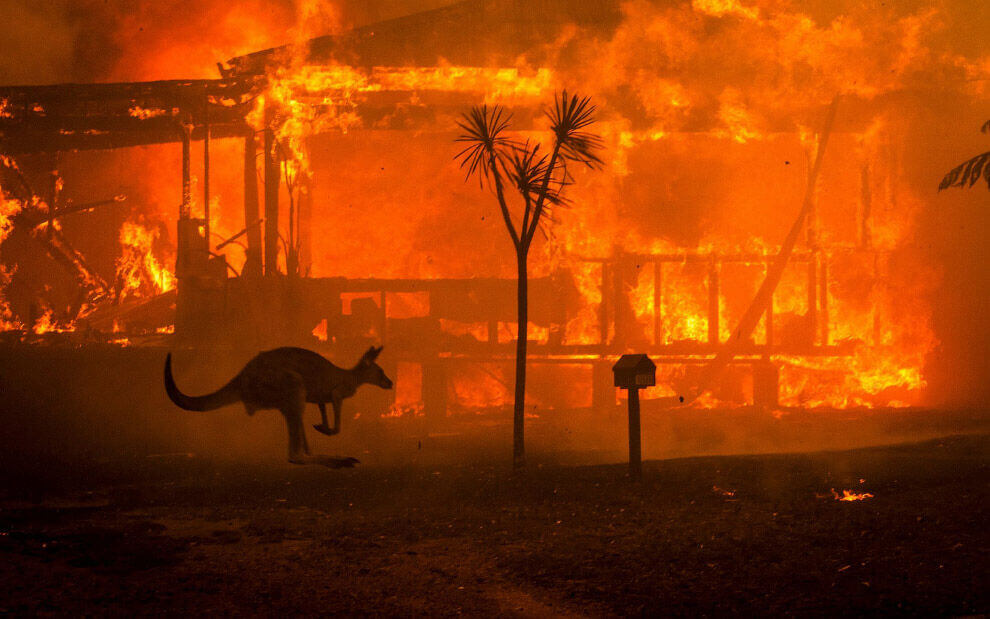
Not By Oil Alone
Although public attention to environmental accidents is focused mainly on the oil and gas sector, virtually any human economic activity carries potential danger. This article presents the author's ranking of the largest non-oil-related disasters of the past century — from chemical spills and radiation accidents to dam failures and large-scale fires. The publication reminds us that preventing incidents is much more important and cheaper than eliminating their consequences, which often prove to be...