Fire Season: Risks and Specifics of Industrial Fire Safety Prevention
Russian legislation includes the concept of a "fire season." According to the Federal Law "On Fire Safety," the fire season is defined as the period of the year from the moment the snow cover melts until the onset of steady rainy autumn weather or the formation of snow cover. Overall, the fire season in Russia lasts from April to November. The fire season is divided into fire-hazardous periods and periods of no fire hazard. The most hazardous period is considered to be June through August.
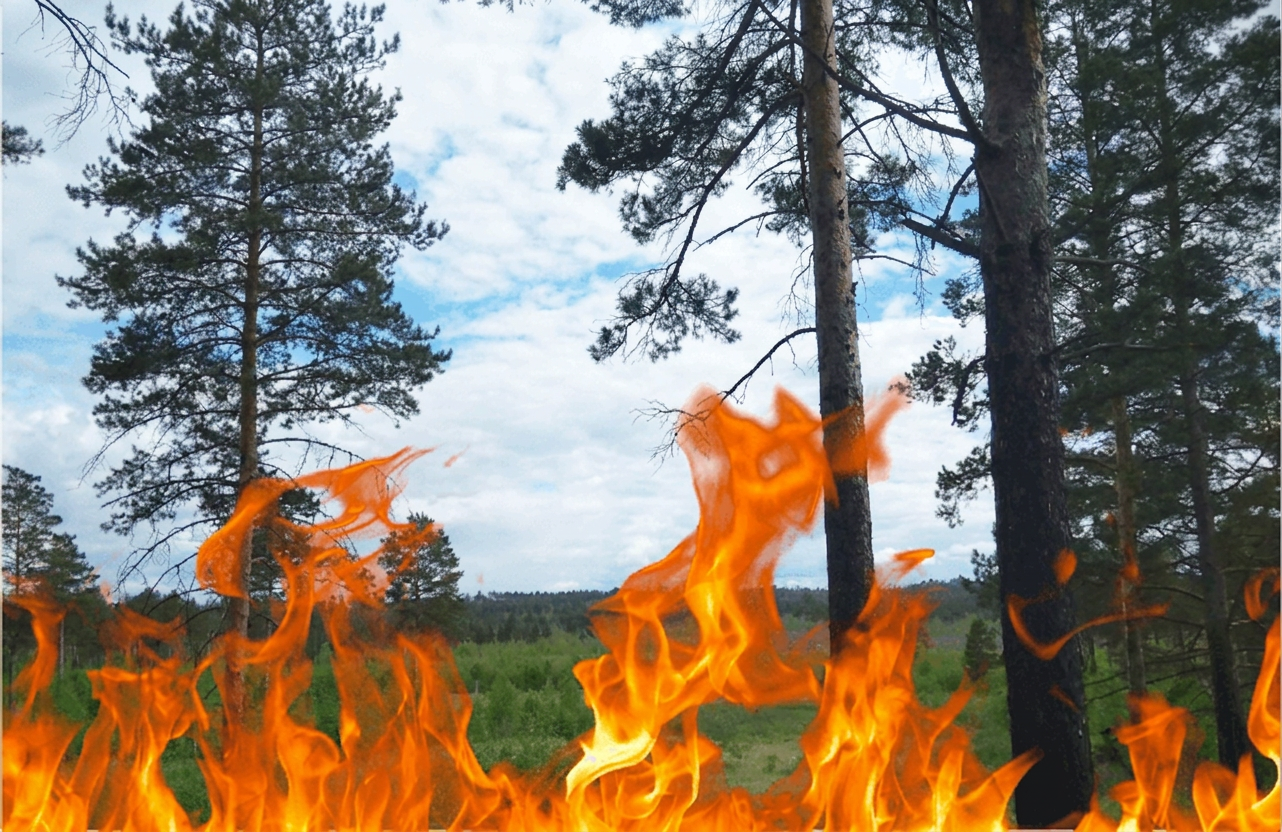
This approach implies that an organization must implement specific fire prevention measures, tighten fire safety requirements, and enhance the duty shifts of emergency rescue services, etc. All these processes are implemented by the enterprise with a single goal — to minimize all possible risks associated with fires and ignitions during the summer period.
A team of fire safety specialists, having analyzed all fires and ignitions over several years, concluded that the fire season in the Far North is not only summer but also winter.
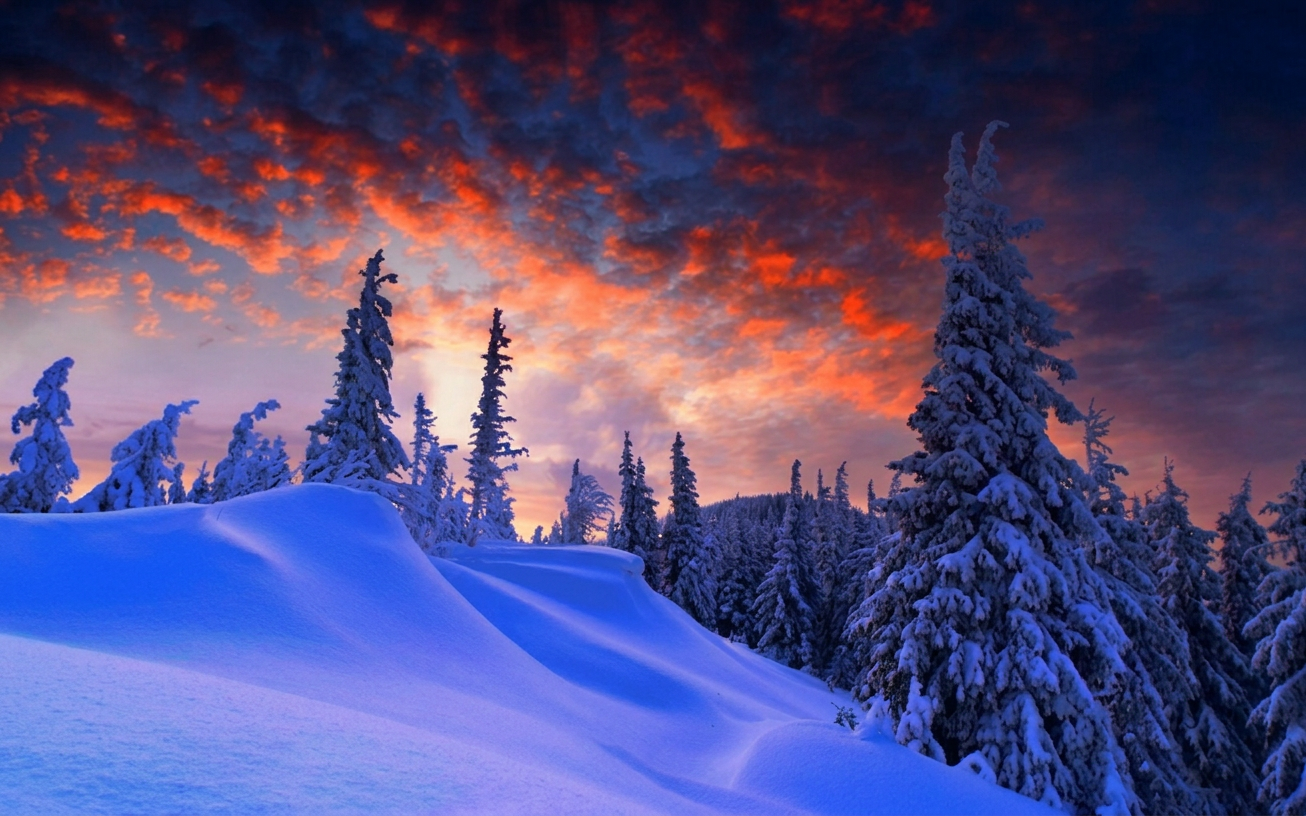
In the winter period, risks increase significantly:
- Domestic ignitions related to the use of electrical appliances;
- Prohibited use of open flames to warm up components and machinery;
- Use of autonomous heating systems for vehicles;
- Freezing of fire water supply systems;
- Snow-covered access routes to infrastructure facilities.
These risks require the implementation of measures before the start of the winter period, such as: inspection of electric heating appliances, electrical wiring, heating cables, solid fuel stoves, creating a stock of primary fire extinguishing agents for low temperatures in departments, etc. Furthermore, one should not forget about the explanatory work of engineering and technical personnel with the enterprise's workforce.
Based on the above, it can be concluded that the fire season involves year-round risks that we must prevent and, under no circumstances, allow fires and ignitions to occur. Winter does not forgive mistakes!