#Communications
Effective communication in HSE: risk visualization, remote notification tools, training via mobile messengers, and building transparent incident reporting. This section compiles the experience of enterprises moving from paper reports to a unified information field, where every employee is engaged in dialogue and promptly receives vital statistics.

Behavioral Safety Traps
Why do employees commit unsafe acts even when clear instructions are in place? We break down four key workplace behavioral traps—from fatigue and communication breakdowns to group risk-taking and hasty error correction—and provide tools to prevent them through behavioral safety audits.
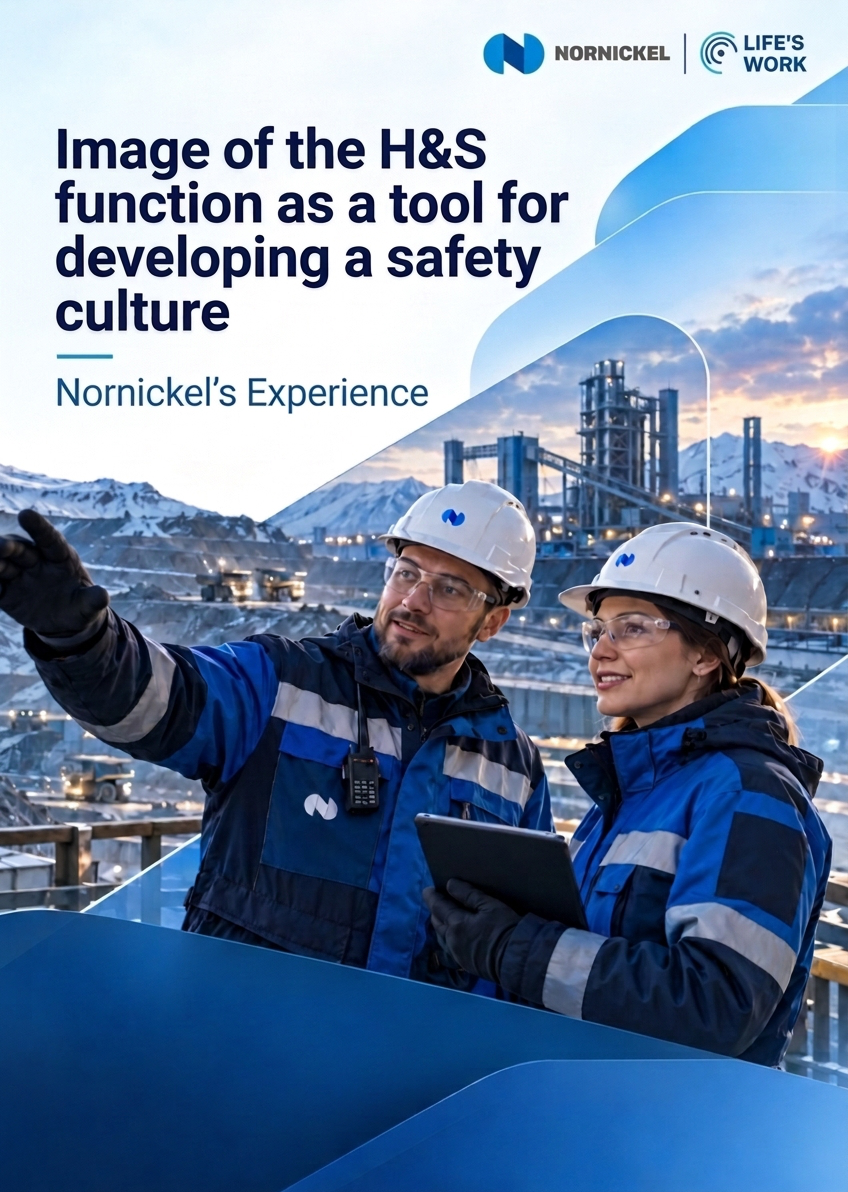
The Image of the HSE Function as a Tool for Safety Culture Development
Why do workers hide risks from safety professionals, and how can companies shift from policing to partnership? We explore Nornickel's experience: four factors of HSE perception, shop floor placements, and a feedback system that turns the department's image into a practical safety tool.
Post-Authorization Training: How to Make Safety Information Part of the Job
Authorization to work independently is not the end of training, but the start of a long journey. Learn how to manage safety information so employees don't just listen to briefings, but understand risks and apply knowledge in practice every day.
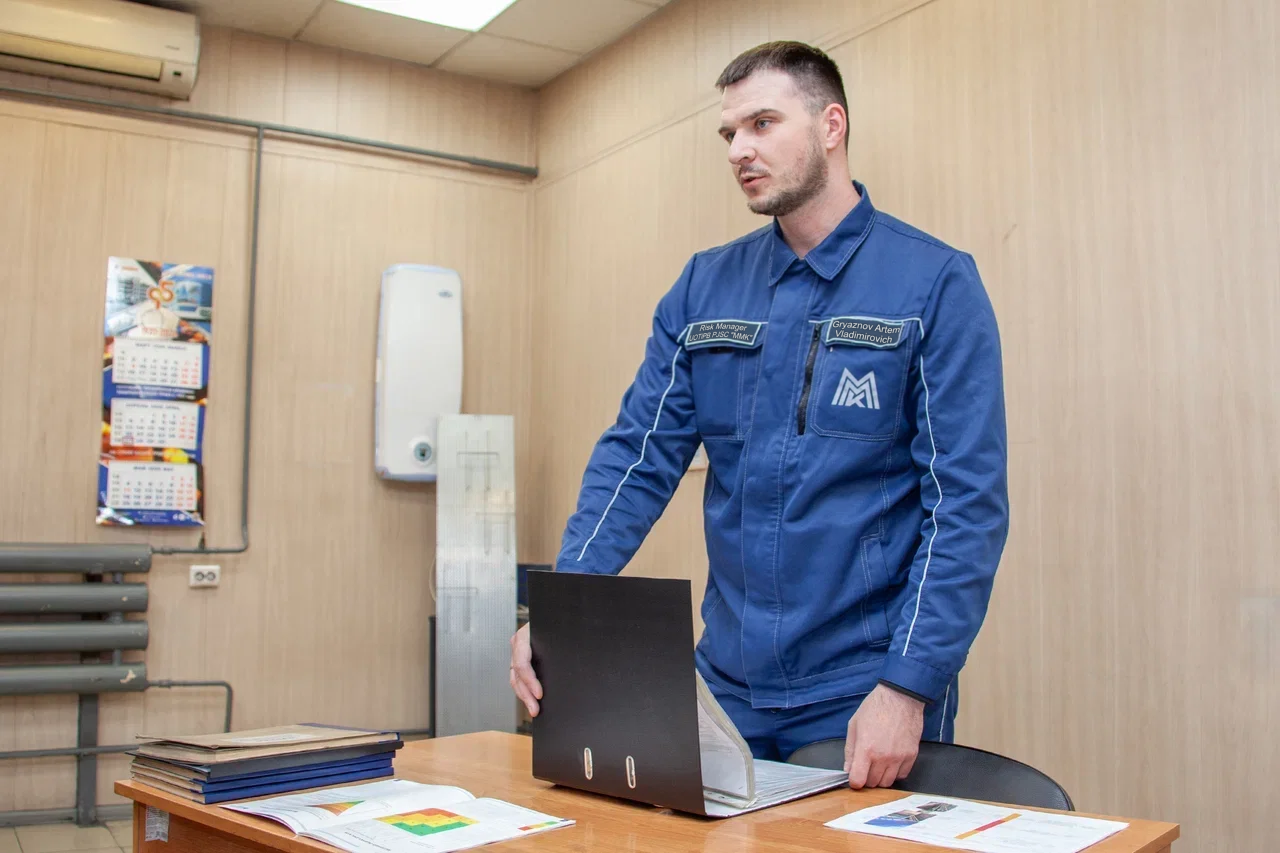
Shift Handover Meetings: How Frontline Supervisors Can Turn Briefings into Tools for Safety and Efficiency
A pre-shift meeting is not a routine 'five-minute briefing', but a key barrier against injuries. Learn how a line manager can conduct meetings effectively: identify risks, assess the condition of the crew, and engage workers in safety.

The occupational safety specialist: a profession that never loses relevance
The Deputy Head of the Occupational Health and Safety Service at Mosgortrans on a profession that almost always remains behind the scenes: why an occupational health and safety specialist today works not only with documents, but also with people, how "invisible" work affects company risks and expenses, and why the development of technology makes this role more complex, rather than simpler.


AI as a Content Factory
The use of generative neural networks to create training materials and visualize HSE risks. The practice includes using text, graphic, and video AI models to accelerate course development, translate into foreign languages, and create realistic briefings without involving third-party contractors.

Efficiency Through Care: How Employee Health Boosts Business Results
A comprehensive wellness program covering the physical and psychological health of employees. Includes on-site check-ups, cardioscreening for employees 40+, multilevel telemedicine, psychological support, and corporate sports development.

Safety Leadership as Part of the Overall Production Culture
Transforming the role of managers in safety through leadership visits, quality integration, and developing a safety leaders movement. The practice includes transitioning from behavioral audits to open dialogue, training line managers, and supporting employee initiatives.

Development Tools Without Million-Dollar Budgets: Practice of Building a Strong HSE Team
Forming an ecosystem for HSE team development without external budgets. Implemented cross-functional internships, role exchange with business trainers, brainstorming for idea testing, and internal coaching on practical skills.


Hidden Potential: Custom Communications with Your Audience
Analysis of millions of employee messages on social networks to identify their values and behavioral patterns. Based on the obtained metadata, the editorial policy is adjusted and custom HSE communications are built, increasing staff engagement.

Communication Bridge: Secrets of Productive Communication with Contractors at Every Stage
A multi-level communication system with contractors at all stages of interaction. Includes assessing leadership engagement at the start, induction training, regular meetings of various levels (from daily to annual), and forums for idea generation.

 +3
+3
Strategic Health Protection Session: Q&A
Transition from formal medical check-ups to proactive employee well-being programs. Implementation of educational 3D video content, targeted on-site cancer screenings for risk groups, and initiatives for smoking cessation and stress management.