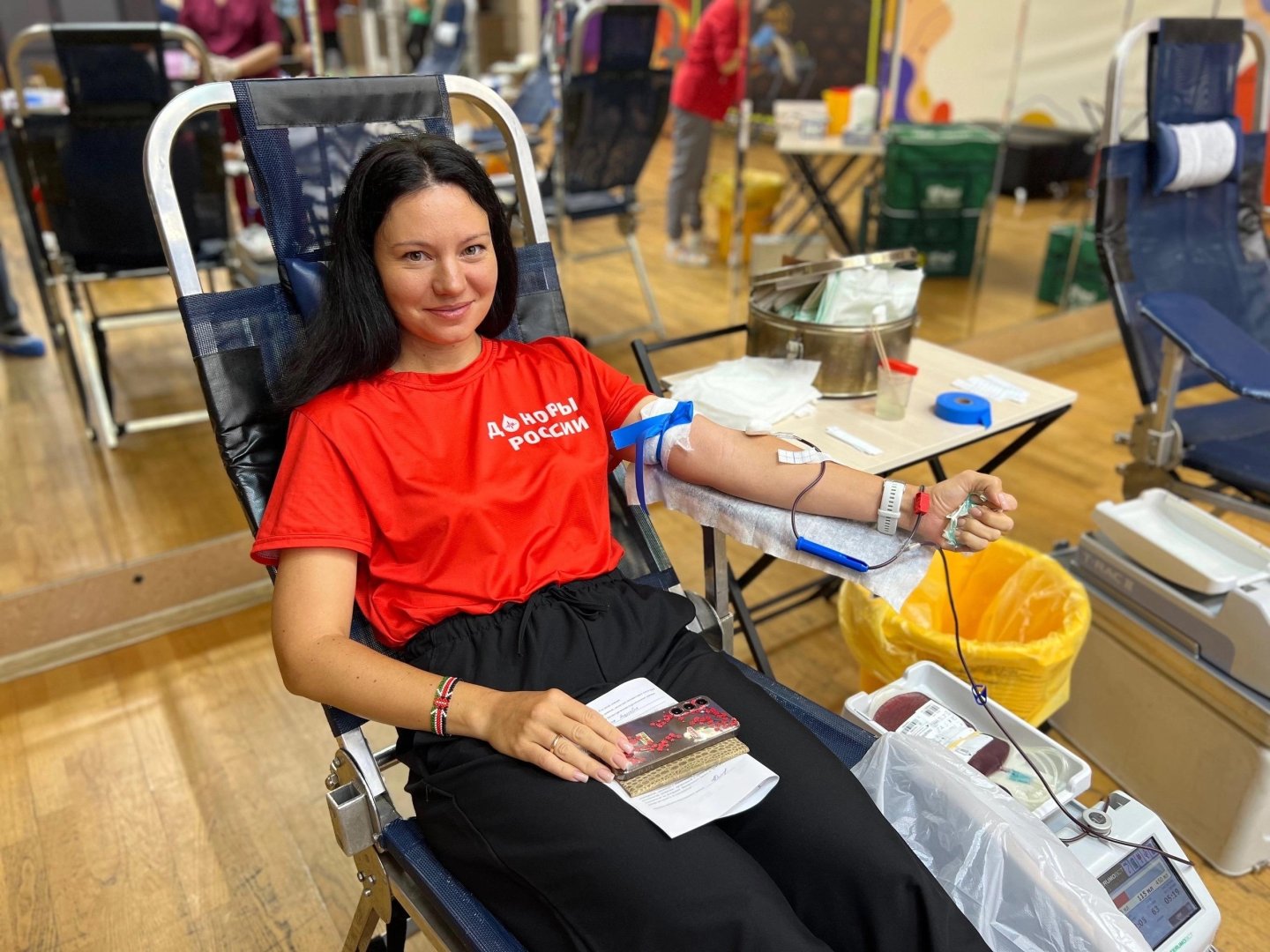
Blood Donation as an Investment in Well-Being: From Personal Well-Being to Safety Culture
Blood donation is traditionally viewed as an outward-directed act of altruism aimed at saving recipients' lives. However, recent research shows that this act has a powerful reciprocal effect: it fundamentally transforms donors themselves, enhancing their subjective well-being and, less obviously, helping build a strong safety culture—at the individual, organizational, and societal levels. Blood donation ceases to be merely a medical procedure and becomes a driver of human and organizational development.
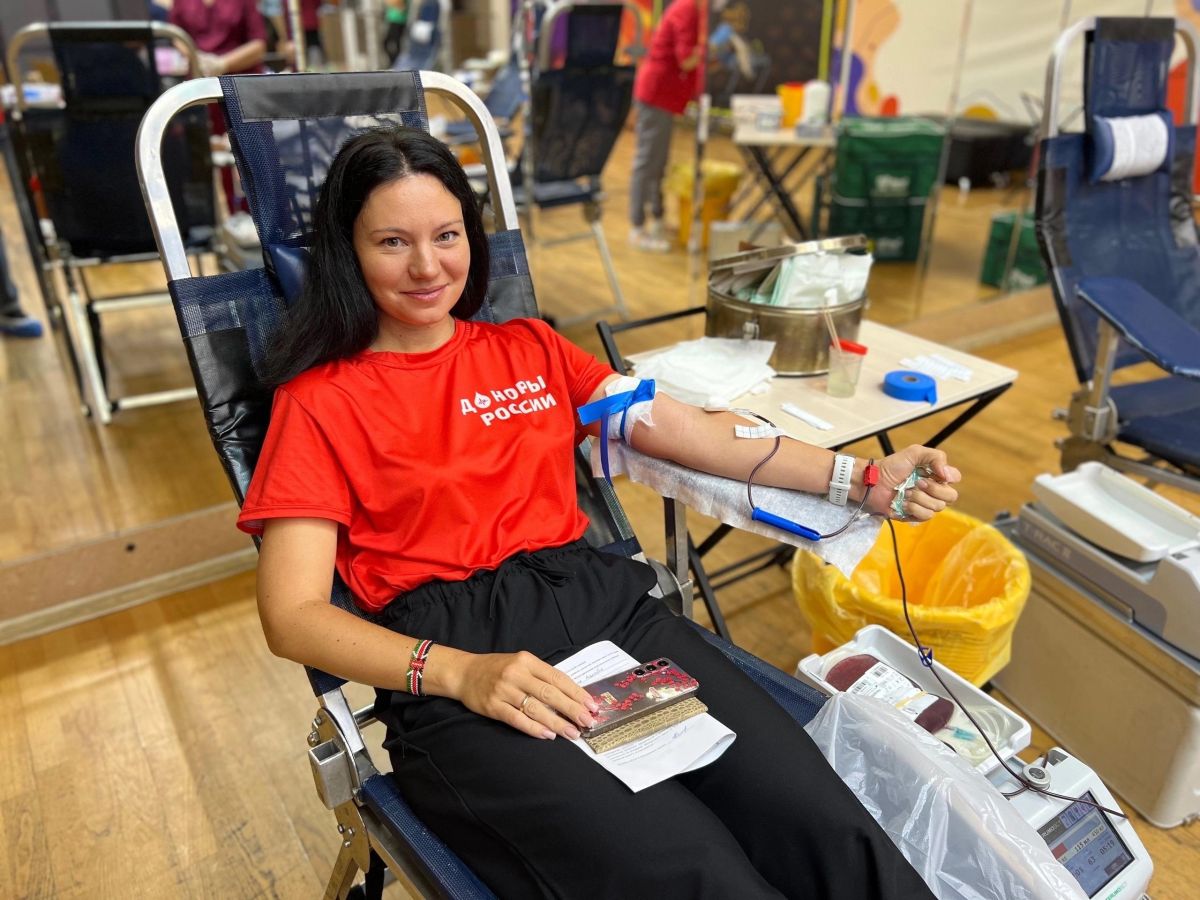
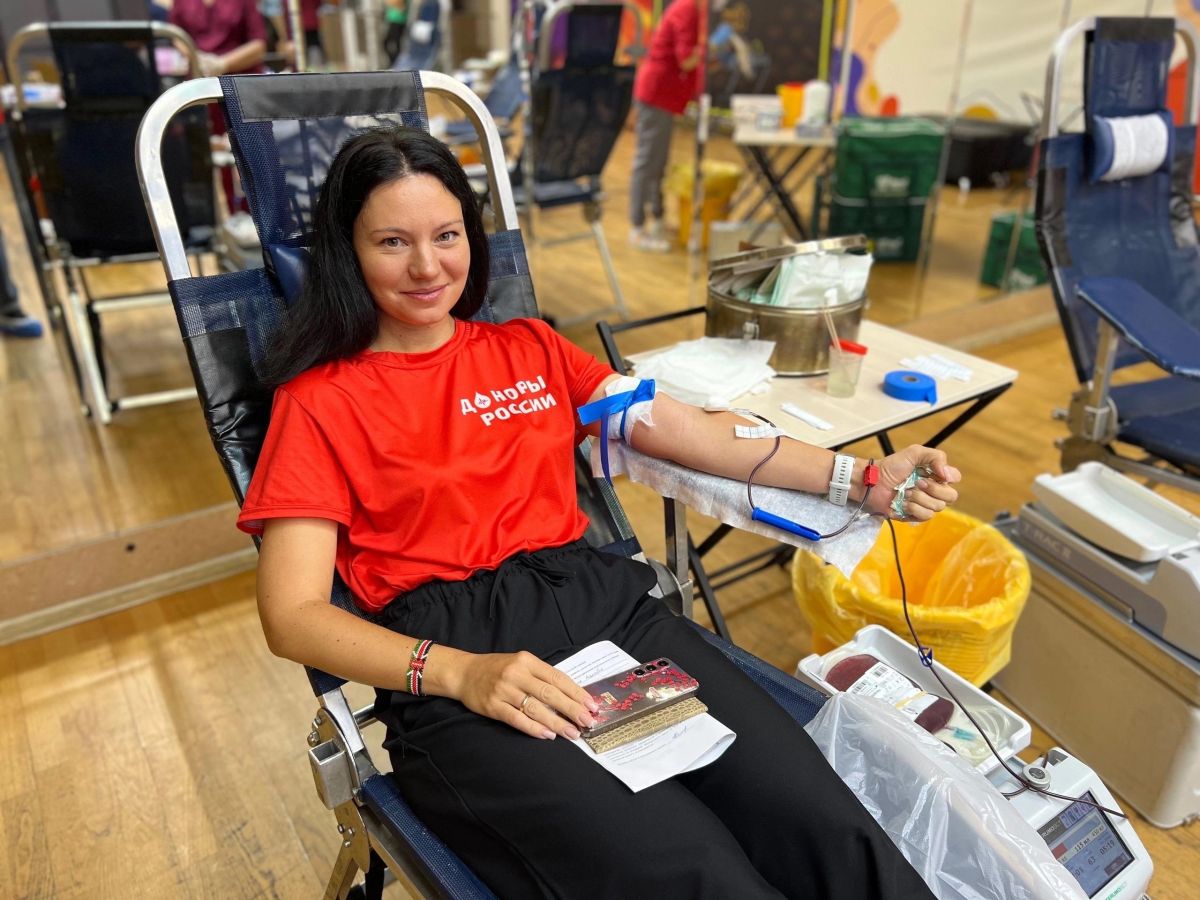 Donor Well-Being: More Than Just "Feeling Good"
The psychological benefits of blood donation are supported by numerous studies. Meta-analyses and randomized trials demonstrate that blood donors report higher levels of happiness compared to non-donors [1]. Moreover, this relationship is cumulative: regular blood donors experience significantly higher levels of happiness than one-time donors or people who have never donated blood.
This effect is explained not only by altruistic motivation, but also by deeper psychological mechanisms. According to self-determination theory [2], blood donation satisfies three basic psychological needs:
⭕autonomy (making a voluntary choice),
⭕competence (feeling capable of making a difference),
⭕relatedness (feeling connected to a community).
A study published in 2026 [3] showed that fulfilling these specific needs mediates the relationship between blood donation and improved subjective well-being.
Furthermore, regular donation fosters lasting positive emotional changes. Donors report a surge of energy, inner harmony, pride, and a heightened sense of personal significance. Studies record better overall mood, higher alertness, and greater relaxation among donors compared to control groups, with relaxation levels increasing immediately after the procedure [4]. Donating blood regularly helps people manage stress more effectively and brings deeper meaning to life. In this way, blood donation serves as a form of training for psychological resilience and positive self-perception.
From Personal Well-Being to Workplace Safety Culture
As a core element of both corporate culture and safety culture, well-being is more than just a package of perks and wellness activities. It is a shared value system in which employee health, safety, and psychological comfort are treated as both a personal and collective responsibility—an environment that encourages open communication, trust, and a proactive attitude toward risk [5]. Within this framework, blood donation serves as a unique catalyst for building such a culture.
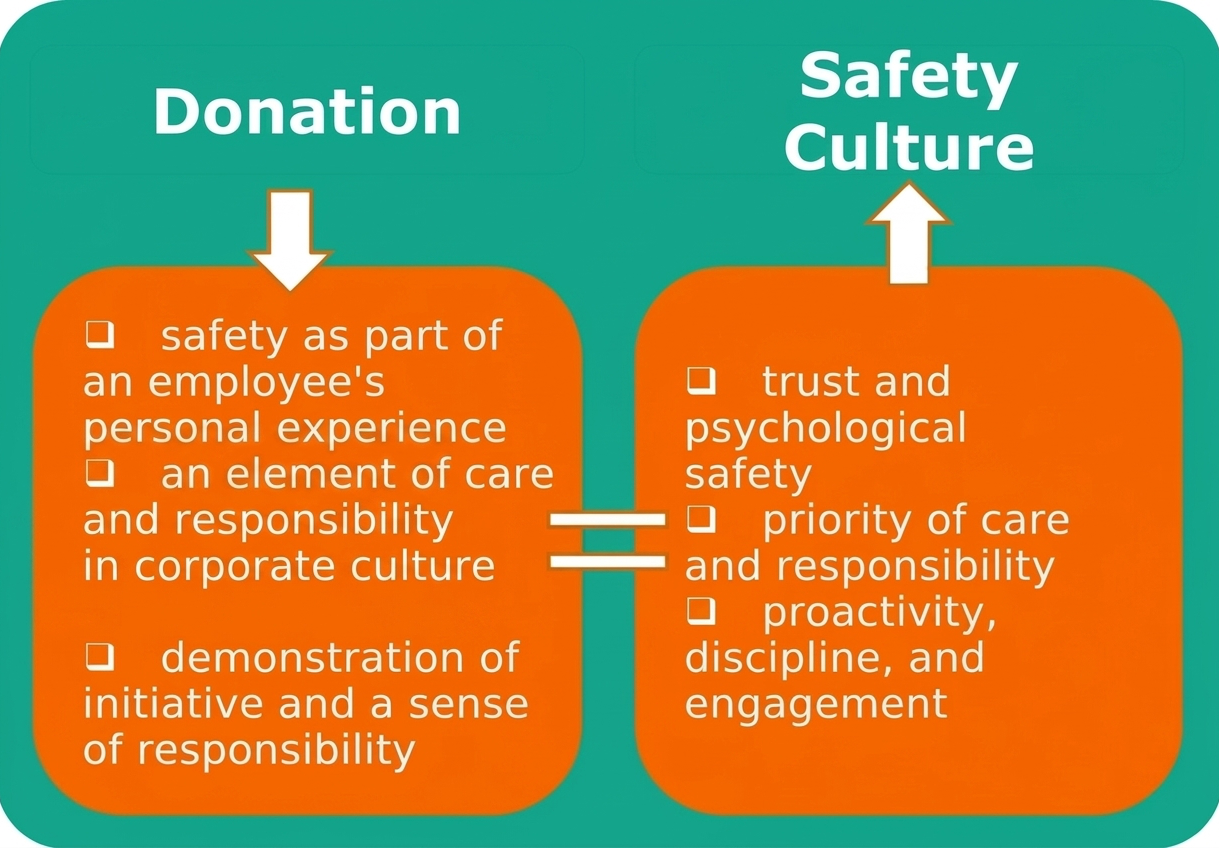
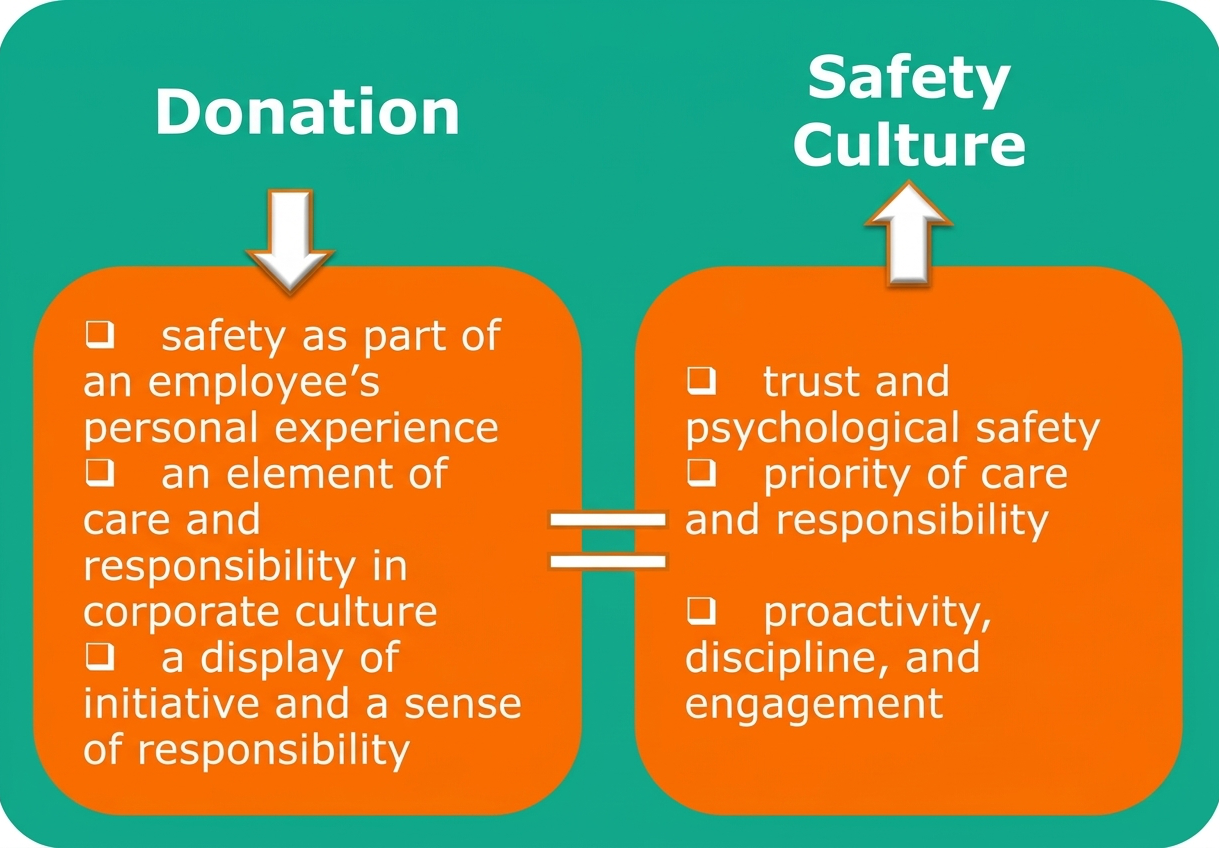
⭕ First, blood donation makes safety part of an employee's personal experience. For many people—especially first-time donors—the procedure is associated with anxiety. However, when employees experience firsthand that the donation process is safe, it lowers psychological barriers and builds broader trust in organizational systems. In the context of a well-being and safety culture, this is particularly important: safety stops being perceived as a bureaucratic formality and becomes the foundation for a positive experience, care, and trust.
⭕ Second, blood donation integrates into corporate culture as an expression of care and responsibility. For many companies, employee participation in blood drives becomes an enduring tradition and a genuine indicator of cultural maturity. Beyond corporate social responsibility, it sends a clear signal that the company values the health and safety of its people. Within a well-being culture, this practice serves as tangible proof that caring for people is a lived value rather than an empty slogan.
⭕ Third, blood donation fosters proactivity and engagement. A strong safety and well-being culture relies on people feeling empowered to speak up about hazards, ask questions, and suggest improvements. Blood donation is inherently proactive: regular donors tend to pay closer attention to their lifestyle [6], and this habit of mindful care for one's own body and health carries over into attitudes toward safety at work and at home, reinforcing the company's overall well-being culture [7].
The WHO global strategy for blood safety calls for creating a welcoming, comfortable environment and training staff not only in clinical techniques, but also in interpersonal communication so that donors feel their health and safety are paramount, with special emphasis placed on an open culture of interaction. For corporate well-being culture, this means moving from formal programs to a living environment where care, trust, and accountability are sustained through everyday practices—such as hosting corporate Blood Donor Days.
Conclusion
Blood donation is a rare example of a practice that simultaneously benefits the giver, the receiver, and the wider organizational system.
⭕At the individual level, it fulfills basic psychological needs and boosts happiness and life satisfaction, cultivating a lasting sense of purpose and pride.
⭕At the organizational level, blood donation acts as a catalyst for corporate well-being and safety culture: it makes safety tangible and trust-based, embeds care for well-being into corporate traditions, and nurtures a proactive, responsible attitude toward one's own health and the health of others.
By investing in corporate blood donation programs, a company invests not only in social responsibility, but also in shaping an environment where safety, trust, and mutual support become the natural norm.
References:
[1] Kumar M., Rashmi S. Emotional States of Blood Donors and Non-blood Donors // IAHRW International Journal of Social Sciences Review. – 2026. – Vol. 14. – No. 2. – P. 247.
[2] France C. R. et al. Applying self-determination theory to the blood donation context: The blood donor competence, autonomy, and relatedness enhancement (Blood Donor CARE) trial // Contemporary Clinical Trials. – 2017. – Vol. 53. – Pp. 44-51.
[3] Ou-Yang J, Feng FF, Ke RR, et al. Blood donation and subjective wellbeing: a cross-sectional survey and a randomized trial. Frontiers in Psychology. 2026; 17:1795243. DOI: 10.3389/fpsyg.2026.1795243. PMID: 41969898; PMCID: PMC13065722.
[4] Hinrichs A, Picker SM, Schneider A, Lefering R, Neugebauer EA, Gathof BS. Effect of blood donation on well-being of blood donors. Transfus Med. 2008 Feb;18(1):40-8. doi: 10.1111/j.1365-3148.2007.00805.x. PMID: 18279191.
[5] Kadnikova I. S. Subjective Well-Being of Employees as Part of Corporate Culture: A Sociological and Managerial Aspect // Theory and Practice of Social Development. – 2025. – No. 1. – Pp. 97-102.
[6] Vepreva I. T., Polyakova I. G., Shalina I. V. Sociocultural Portrayal of Blood Donation in Modern Russia: Inside and Outside Perspectives // Izvestia Ural Federal University Journal. Series 1: Issues in Education, Science and Culture. 2025. Vol. 31, No. 2. – 2025. – Vol. 31. – No. 2. – Pp. 68-81.
[7] Skachkova I. I. et al. Implementing Comprehensive Well-Being Program Measures to Prevent Employee Occupational Burnout // International Journal of Humanities and Natural Sciences. – 2025. – No. 3-2 (102). – Pp. 267-271.