#Safety culture
Development of a proactive safety culture in production: mindful leadership, motivation programs, contractor engagement, and addressing the human factor. Transitioning from reactive oversight to integrated risk management practices.


Lessons from OTEKO and Leningrad NPP: Business Continuity and Motivation in Safety Culture
Aleksandr Kuzin (OTEKO) will explain how to identify critical processes, write a continuity plan and test it through exercises before an incident occurs. Dmitriy Stepanyuk (Leningrad Nuclear Power Plant) will discuss how staff motivation supports safety culture and where its limits lie.

“Culture Eats Strategy for Breakfast”: How Safety Brings Back Production Targets
At Metalloinvest, the phased development of production culture—from stabilization to systematization—is directly linked to meeting production targets and achieving financial results. This approach helps move away from constant “firefighting” and build stable, systematic operations.
My Resource for Improving Safety
A ready-to-use practical exercise for developing critical thinking and a mindful approach to occupational safety. We break down the step-by-step "My Resource in Safety" case study: how to analyze recent violations in three stages, identify their internal and external causes, and outline concrete steps for personal and team growth.
The Psychology of Unsafe Employee Behavior
Why do employees continue to violate occupational safety requirements even under strict supervision? We examine the psychological and social causes of unsafe acts, explain why punishment without root cause analysis harms safety culture, and discuss how to improve human reliability.
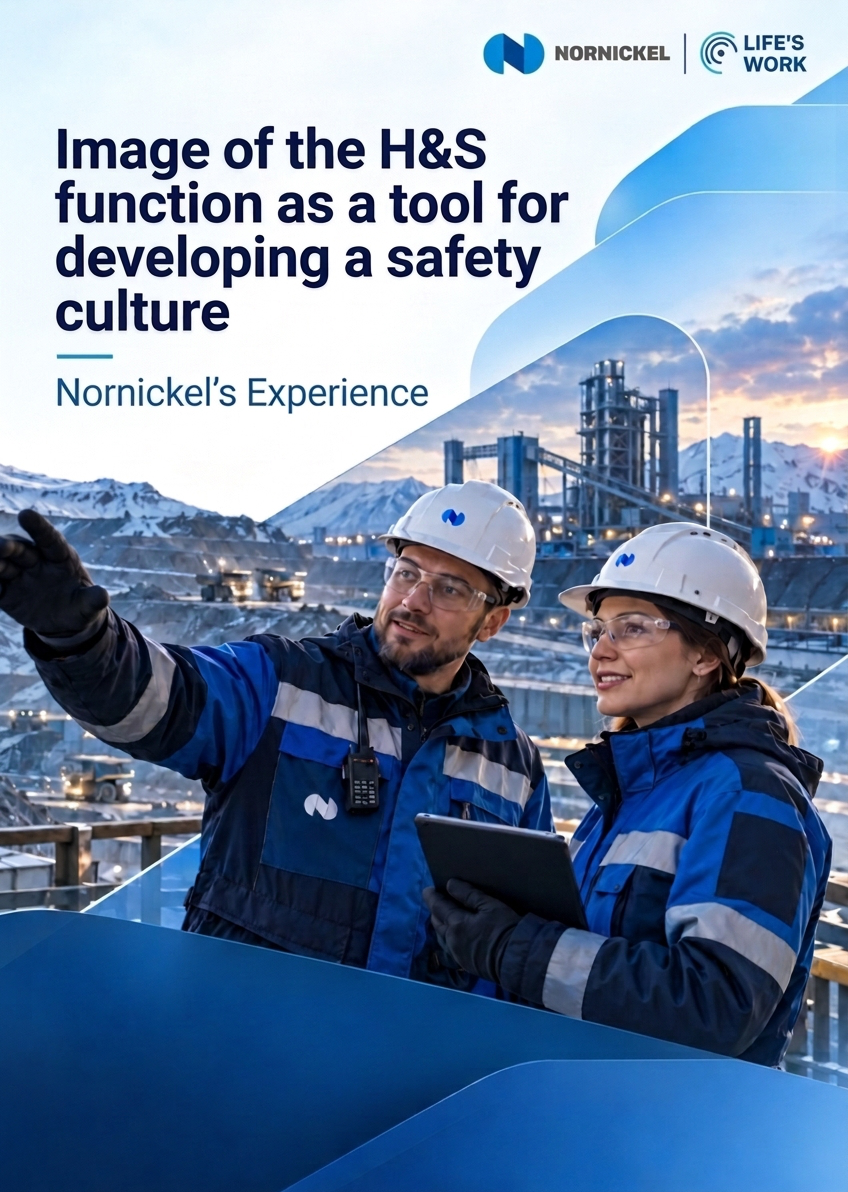
The Image of the HSE Function as a Tool for Safety Culture Development
Why do workers hide risks from safety professionals, and how can companies shift from policing to partnership? We explore Nornickel's experience: four factors of HSE perception, shop floor placements, and a feedback system that turns the department's image into a practical safety tool.



Waste Management Lifecycle Through the Lens of Environmental Safety Culture: A Course Toward Excellence
A systematic approach to waste management and fostering an environmental safety culture at a nuclear power plant. Practices include integrating environmental requirements into procurement procedures for contractors, visualizing waste accumulation points at work areas, and compacting thermal insulation waste using mobile compactors.

Establishing a Road Safety Culture: The Path from Reactive Firefighting to a Well-Structured Risk Management System
A comprehensive approach to road safety risk management at an industrial site. Implementation of traffic stream separation, driver behavior video analytics, automated medical examinations, and mandatory defensive driving training. Development of vehicle audit checklists, contractor verification, and a system of monitoring KPIs for line managers.

🛡️ Safety: Safety Observation Program (UC RUSAL) — Part 1
The outdated three-stage safety inspection system is becoming obsolete. Read how UC RUSAL's Downstream Division is implementing modern safety observations, overcoming formalism, and building a new HSE culture without massive IT budgets.

The Path to Mindful Safety Through Common Sense
Why do Vision Zero concepts at our plants often become a mere formality? We break down the conflict between "paper" safety and real production. Inside: 8 practical steps to adapt top HSE standards to aging infrastructure and worker psychology.

Workplace Safety Culture from School Days
The foundation of a conscious attitude toward workplace safety is laid long before a career begins. Discover why it is important to build a safety culture as early as school, how to integrate it into the curriculum, and what benefits it brings to future professionals and employers.
How to become a safe leader-manager?
A manager and a leader are not the same: an order ensures execution, a personal example ensures commitment. The Chief Safety Culture Officer of SNIIP JSC examines five characteristics of an effective leader-manager according to WANO recommendations: from the concept of "high standards" to building leadership potential, with behavioural indicators for each and a roadmap of first steps for those starting from scratch.
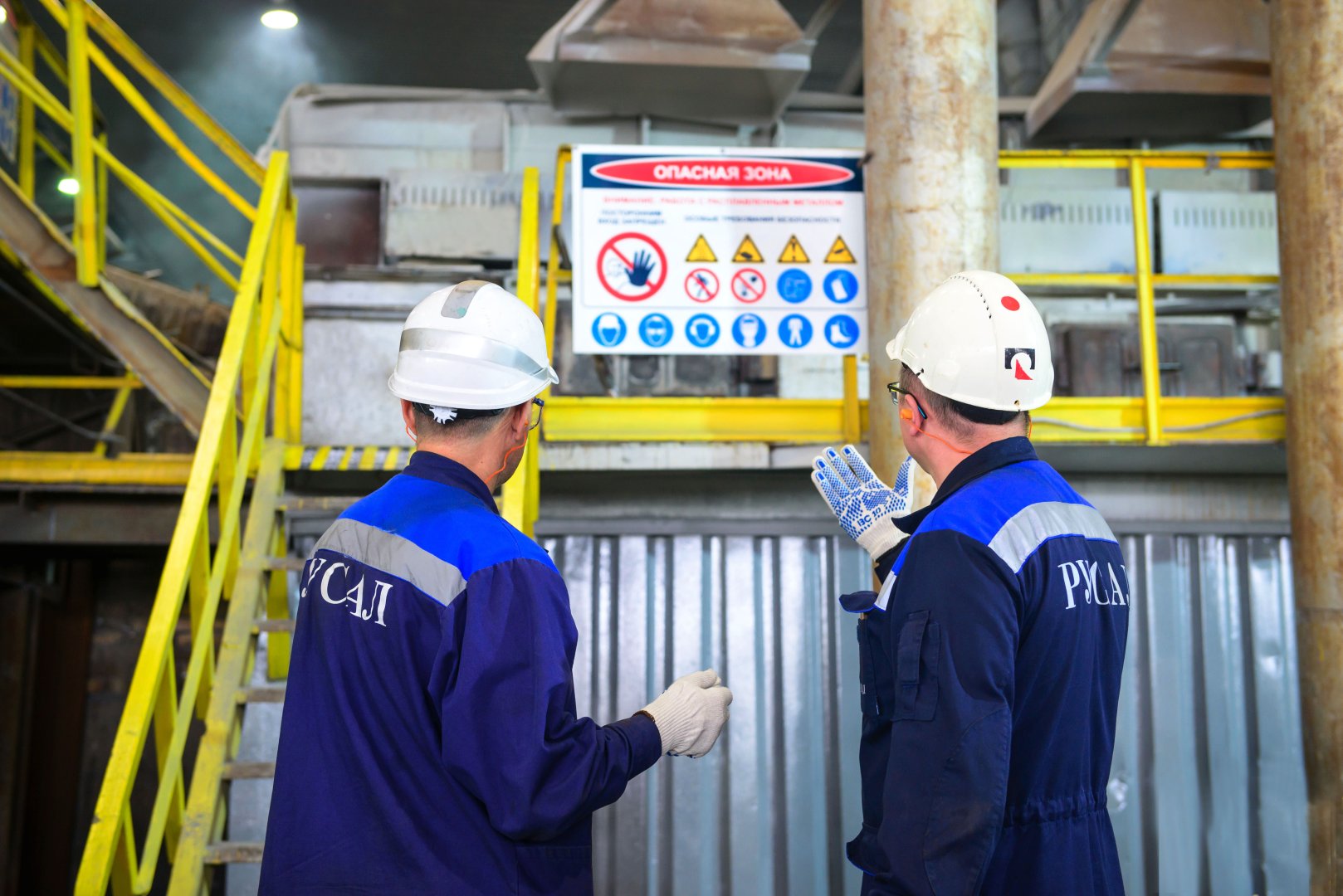
🛡️Safety: Visual safety management at RUSAL — sharing our experience
A rusty sign taped to the shop gates reads loud and clear: safety is of no interest to anyone here. Ivan Bobrov explains how RUSAL’s Downstream Division — 11 plants and about 8,000 employees — built visual safety management with its own people in two and a half years: a single standard for signs and floor marking, three steps of “see it — design it — apply it”, ready solutions for hazardous areas, stairways and pedestrian flows, and the seven conditions without which none of it works.