Cybersecurity and Power Engineering: How Digitalization and the Internet of Things (IoT) Impact Electrical System Safety
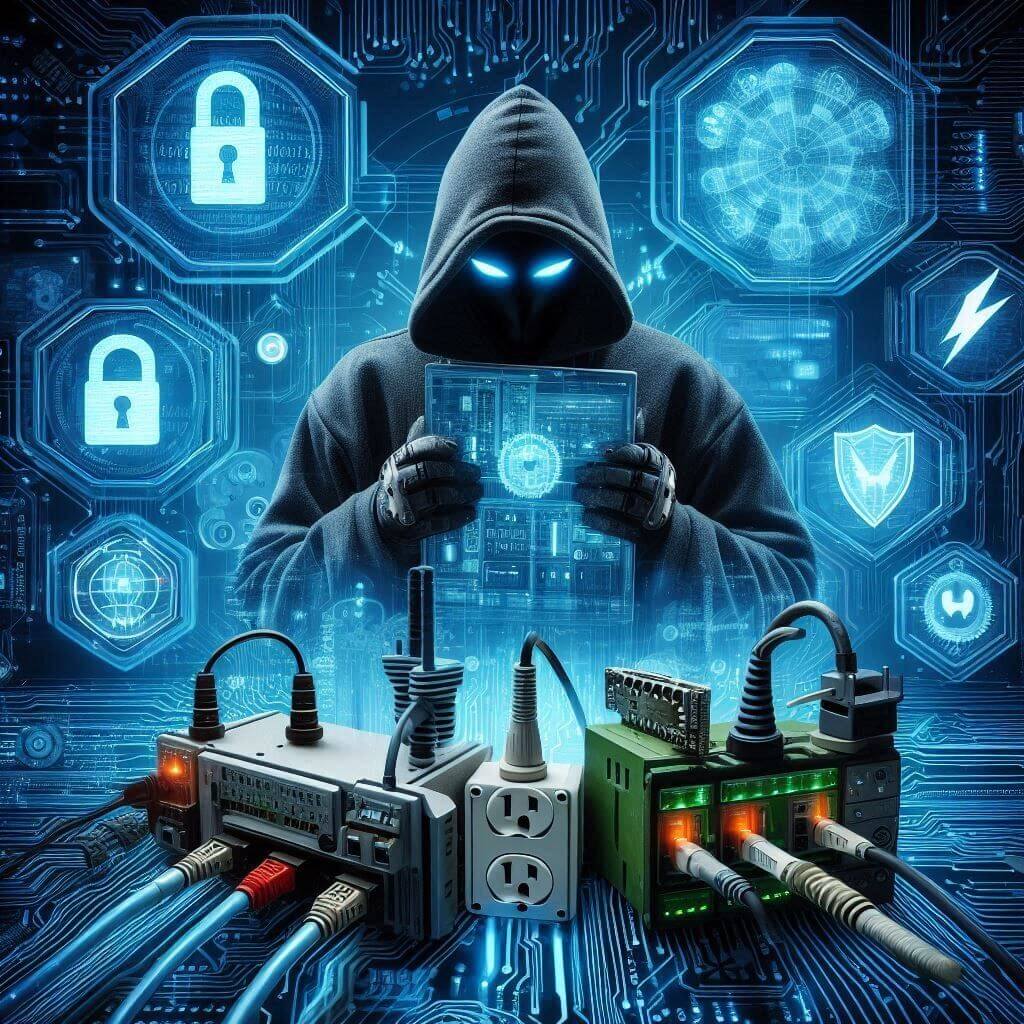
In recent years, digitalization and the Internet of Things (IoT) have significantly changed approaches to managing and monitoring electrical systems. These technologies open up new opportunities for increasing efficiency and convenience, but they also bring new safety challenges. In this article, we will examine how cybersecurity and power engineering intersect in the context of digitalization and IoT.
The Impact of Digitalization on Power Engineering
Digitalization allows for the integration of intelligent control and monitoring systems into electrical grids. This includes the use of smart meters, automated energy management systems, and other devices that can collect and analyze data in real time. Such systems can significantly improve the reliability and efficiency of electrical grids, but they also require a thorough approach to security.
Cybersecurity Threats in Electrical Systems
As the number of connected devices increases, so does the risk of cyberattacks. Hackers may attempt to gain access to energy management systems to cause power outages or even physical damage to equipment. Key threats include:
- Unauthorized access: Software vulnerabilities may allow attackers to gain access to control systems.
- Malware: Viruses and other malicious programs can disrupt the operation of electrical systems.
- Denial-of-Service (DDoS): Massive attacks can overload systems and cause them to fail.
Cybersecurity Measures
To protect electrical systems from cyber threats, comprehensive security measures must be implemented:
- Data encryption: Using modern encryption methods to protect data transmitted between devices.
- Authentication and authorization: Implementing multi-factor authentication and strict system access rules.
- Monitoring and analysis: Continuous monitoring of network traffic and anomaly analysis to identify potential threats.
- Software updates: Regular updates and patching of software to eliminate vulnerabilities.
The Role of IoT in Power Engineering
IoT devices can significantly improve electrical systems by providing more accurate data and enabling rapid responses to emergencies. For example, the right algorithms combined with various sensors can not only detect overloads and short circuits, automatically cutting power to prevent accidents, but also model different modes in energy systems, managing them more effectively than a human. However, as with digital systems, IoT devices are also vulnerable to cyber threats and require robust protection.
Conclusion
Digitalization and the Internet of Things open new horizons for managing electrical systems, but they also require increased attention to cybersecurity issues. A comprehensive approach to data and system protection, including encryption, authentication, monitoring, and regular software updates, will help minimize risks and ensure the reliable operation of electrical grids in the context of digital transformation.