Full Autonomy... Is It Worth the Effort?
Currently, most enterprises in the mining and metallurgical industry are establishing their own non-staff and professional emergency rescue teams. Having these structures within an organization implies compliance with strict requirements for personnel, as well as special rescue equipment. However, having special equipment is not just about using it for its intended purpose, but also about maintaining it correctly, qualitatively, and in a timely manner. Often, the maintenance of rescue equipment, such as GS-10 and GS-11 lung ventilators and various types of RPE, is outsourced to third-party organizations. Let's consider the risks of outsourcing and the benefits of having your own RPE and ventilator maintenance base or station directly at the enterprise.
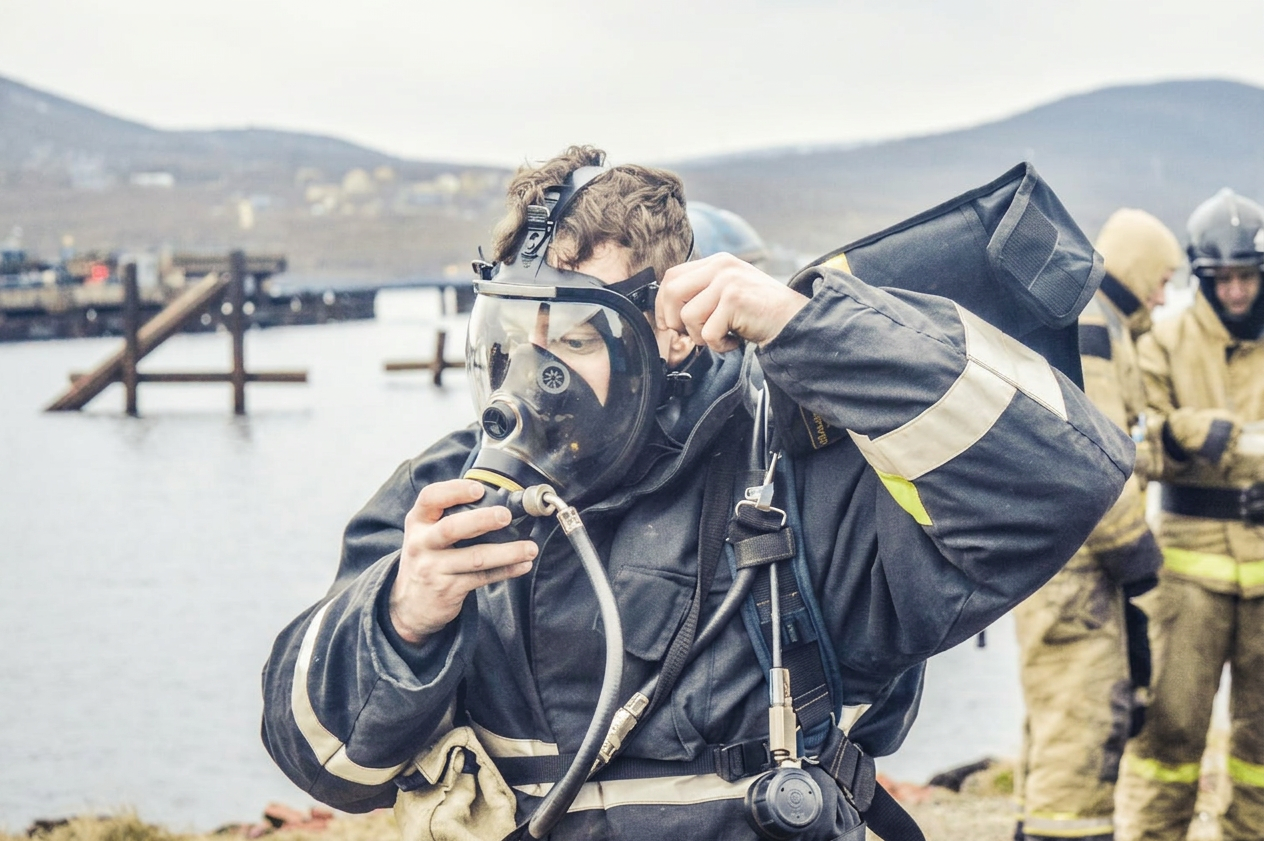
Self-contained breathing apparatuses (SCBA) are complex equipment requiring regular maintenance. Without a specialized station, the risk of malfunction or improper use increases, which can lead to injury or even death in emergencies. Conversely, if there is a specialized station, all apparatuses are regularly checked and maintained, reducing the risk of failure.
Risk of external dependency: Without an in-house gas and smoke protection service station, an enterprise must rely on external structures for equipment maintenance. This potentially increases response time in the event of an accident and makes the enterprise vulnerable to changes in the external environment. Establishing a specialized station allows for full control over the maintenance process and provides flexibility when responding to incidents.
Lack of quality control: Creating a specialized station provides the opportunity to control the quality of equipment maintenance and ensures confidence in its safety and reliability.
Reduced operational efficiency: A specialized station ensures prompt maintenance of apparatuses in case of malfunctions, ensuring the continuity and effectiveness of rescue operations.
Increased risk of accidents during rescue operations: Without a specialized station for breathing apparatus maintenance, the likelihood of technical failure during fires and other emergencies increases. Timely maintenance and inspection of the equipment reduce this risk.
Reduced effectiveness of rescue operations: Malfunctioning breathing apparatuses can seriously reduce the effectiveness of rescue operations and increase accident response times. Having a maintenance station ensures equipment reliability and allows for prompt repairs and servicing.
Insufficient personnel training: Using self-contained breathing apparatuses requires special training. Without a specialized station, it may not be possible to train all personnel on the rules for operating these devices. However, with a station, it is possible to organize regular training and skill checks for all staff.
Risk of increased illness among personnel: Irregular or poor-quality maintenance of breathing apparatuses can increase the risk of occupational diseases among rescue personnel. Organizing a specialized station allows for regular diagnostics and prevents health issues, ensuring the longevity of their professional careers.
Risk of damage to company reputation: Having a specialized maintenance station for breathing apparatuses highlights an organization's responsible approach to HSE and care for its employees, which positively impacts the company's image.
Additional economic costs: Constantly relying on third-party maintenance services can result in high costs. It is necessary to maintain a backup inventory to replace equipment sent out for servicing. An in-house service will help reduce these costs.
Summarizing the above, the conclusion is that organizing a maintenance station for specialized personal protective equipment is not as complex or costly as many might initially think.
Essentially, this initiative involves two main directions. The first is creating the station (maintenance site); a 40-foot shipping container is perfectly suitable for this purpose, also fulfilling the requirement that the station be a standalone building or premises.
The second direction involves training personnel in maintenance rules and methodologies. This training is easily provided by specialized training centers.
Overall, all RPE maintenance activities are integrated with the duties of the enterprise's emergency rescue team members, providing a significant economic effect and, most importantly, increasing the level of reliability and readiness for emergency response.