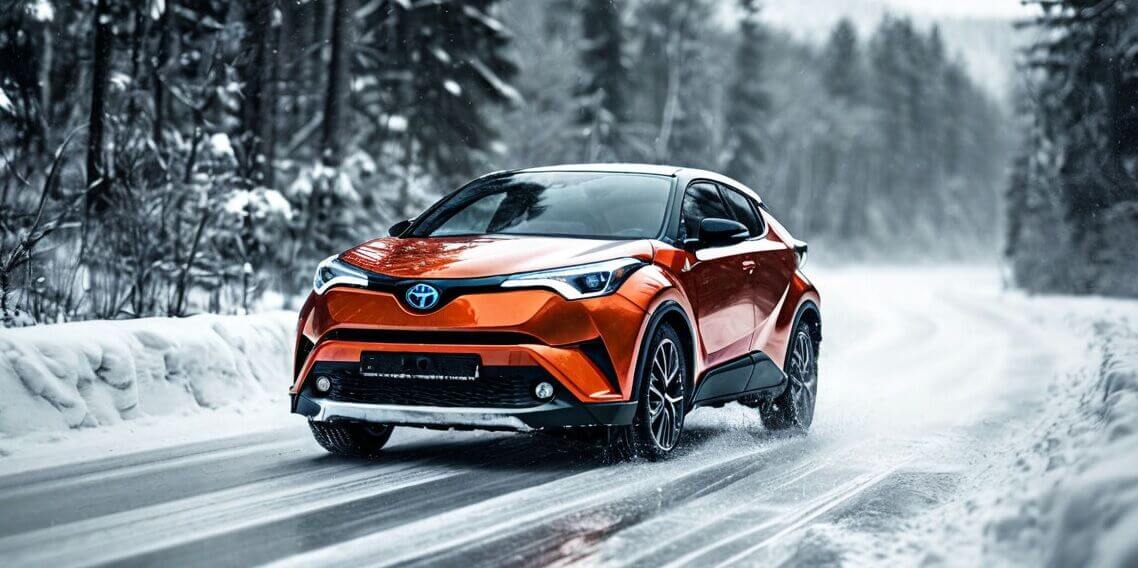
Winter Driving: Tips for Drivers
Winter brings not only a festive mood but also challenging road conditions that require special attention and skills from drivers. In this post, I will remind you of the key aspects of driving in winter to help you stay safe on the road.
Vehicle Selection and Preparation
Tires:
Your vehicle must be equipped with winter tires during the winter and transitional periods. They provide better traction on snow and ice. Do not take risks; skip the trip if you haven't managed to change your tires before the first snowfall.
Check tire pressure and adjust it to the recommended values if necessary.
Fill the windshield washer reservoir with high-quality anti-freeze fluid; do not skimp on "non-freezing" liquid.
Electronic Safety Systems:
Choose a vehicle equipped with an anti-lock braking system (ABS) and electronic stability program (ESP). These systems save thousands of lives worldwide every year and will help you handle winter road traps by forgiving certain mistakes.
Additional Accessories:
Keep a shovel, sand, or salt in the trunk for traction if you get stuck, a brush for clearing snow off the car, and an extra supply of windshield washer fluid.
Ensure you have a spare tire and the necessary tools to change it.
Driving in Winter Conditions
Smooth Driving:
Avoid sudden braking and acceleration. With the arrival of winter and the resulting decrease in tire grip, you must change your driving style to be less dynamic. Start moving smoothly and brake gently.
Use a lower gear for better control when driving uphill or downhill.
Distance and Speed:
Increase the distance to the vehicle in front of you. Reduce your speed, especially on turns and descents. In winter, average driving speed decreases by 10 – 15 km/h, while braking distance nearly doubles. Therefore, it is necessary to maintain distance, reduce speed in advance when braking, and allow more time for your journey to avoid rushing or speeding.
Avoid overtaking and lane changes. The vast majority of winter skidding accidents occur during unsuccessful overtaking attempts and sudden lane changes on slippery roads.
Steering Control:
Keep both hands on the steering wheel for better control of the vehicle.
Turn the wheel smoothly and avoid sudden maneuvers.
If the car starts to slide, do not jerk the wheel; gently correct the direction.
Psychological Preparation:
Stay calm and focused.
Be prepared for potentially unexpected situations. Do not be distracted by your phone or other devices.
Additional Tips
Monitor the weather forecast. Stay informed about weather conditions and plan your trips accordingly.
Practice. Regularly practice driving in winter conditions to improve your skills.
Following these recommendations will help you significantly reduce the risk of accidents during the winter period and ensure your safety on the road.
Good luck on the roads!