#Occupational safety
Occupational safety (OS) within the context of modern production challenges and regulatory legal framing. Accumulates core methods for managing the comprehensive system protecting the life and health of workers effectively.

Workplace Safety Culture from School Days
The foundation of a conscious attitude toward workplace safety is laid long before a career begins. Discover why it is important to build a safety culture as early as school, how to integrate it into the curriculum, and what benefits it brings to future professionals and employers.

Malleable as Wax: Onboarding Young HSE Specialists in Enterprises Amid Talent Shortage
Amid a severe talent shortage, inexperienced newcomers are joining the HSE field. How do you prevent burnout and turn them into loyal professionals? We break down a step-by-step onboarding system for young specialists: from mentorship and development plans to a three-year checklist.
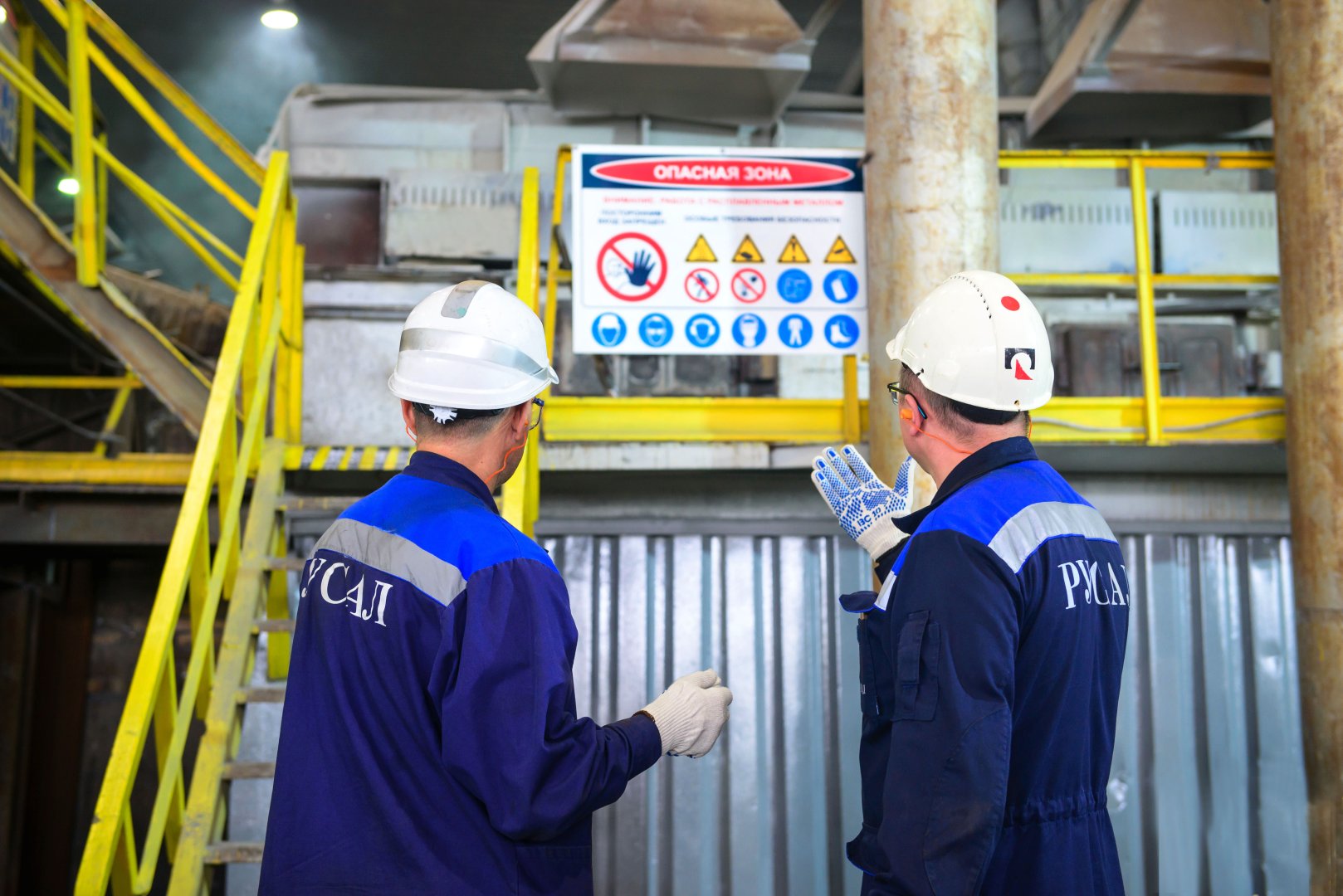
🛡️Safety: Visual safety management at RUSAL — sharing our experience
A rusty sign taped to the shop gates reads loud and clear: safety is of no interest to anyone here. Ivan Bobrov explains how RUSAL’s Downstream Division — 11 plants and about 8,000 employees — built visual safety management with its own people in two and a half years: a single standard for signs and floor marking, three steps of “see it — design it — apply it”, ready solutions for hazardous areas, stairways and pedestrian flows, and the seven conditions without which none of it works.
The occupational safety specialist: a profession that never loses relevance
The Deputy Head of the Occupational Health and Safety Service at Mosgortrans on a profession that almost always remains behind the scenes: why an occupational health and safety specialist today works not only with documents, but also with people, how "invisible" work affects company risks and expenses, and why the development of technology makes this role more complex, rather than simpler.

Prequalification: is a stack of documents enough?
86 documents, 42 criteria, 100 points — and still it is no guarantee. The Head of Contractor Safety at Uralkali analyzes what pre-qualification actually screens out, why only 50 out of 80 companies returned the questionnaire, what to do if a contractor is the only one on the market, and why “accidents don't happen every day” is the most honest and most dangerous argument.
🛡️ Safety: “Safety: Acting Together” (UC RUSAL) — sharing my experience
Experience in building a corporate industrial safety and occupational health management system in the Downstream Division of UC RUSAL: 11 enterprises, about 8 thousand employees, five years of consistent work — and a 7.3-fold reduction in injury frequency, employee engagement of 42%, and a more than 6-fold increase in hazard elimination.

🛡️ Safety: Unpacking the System
Over 30+ years of working in HSE, I have seen a wide variety of 'assemblies' of occupational health and safety and industrial safety management systems. How is an effectively functioning mechanism of such a system structured? Let's unpack this box!
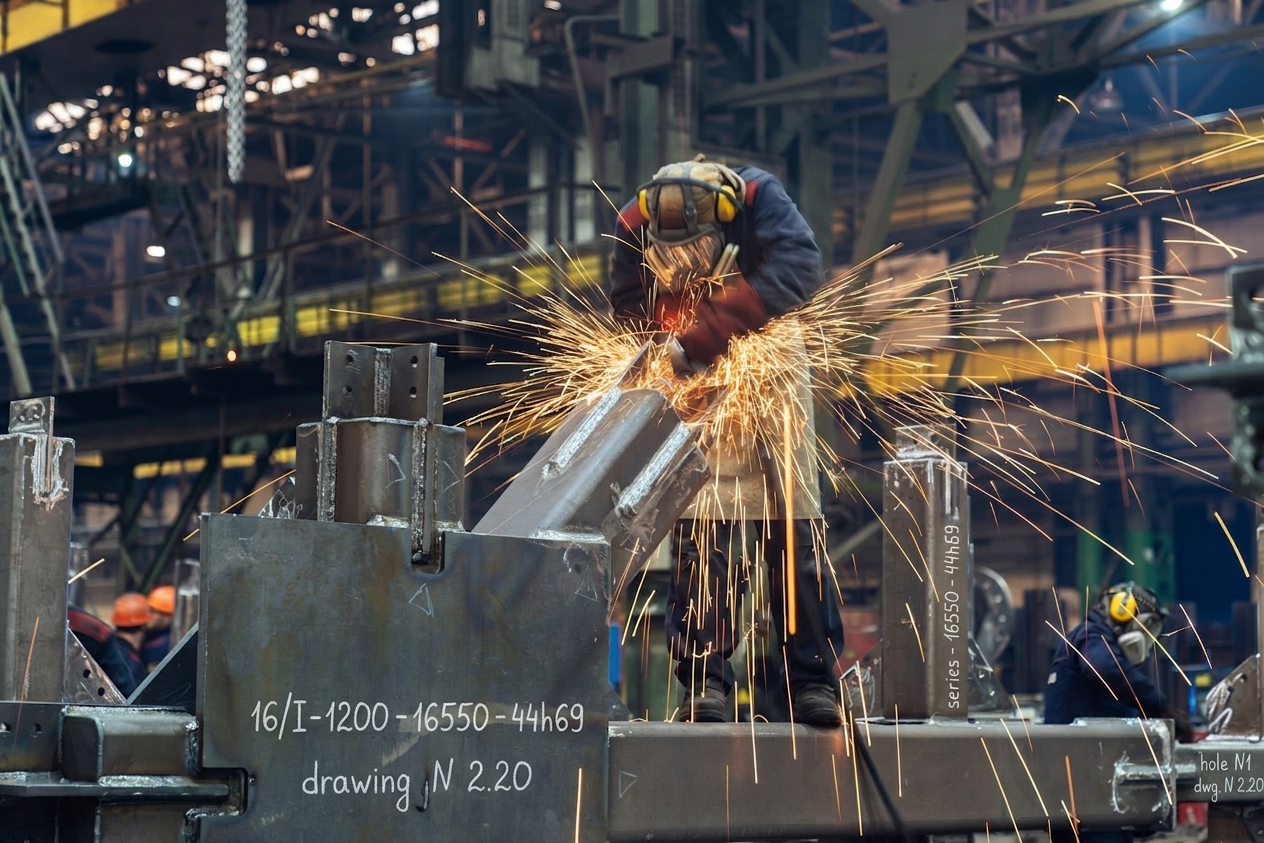
🛡️ Safety: HSE Risk Management — Sharing My Experience
An overview of the occupational health, safety, and industrial safety risk management system at OMK: from methodology to real case studies of fatal risk reduction and automation. Learn how to combine best practices and avoid a formal approach.

The Future of HSE Through the Lens of AI Development Trends
Phased implementation of artificial intelligence tools in occupational health and safety processes to automate routine tasks and data management. The practice includes preparing internal "knowledge brokers," launching a secure corporate analog of generative neural networks, and integrating AI with accounting systems. Implementing this approach in a mining company reduced labor costs for intellectual tasks by 20%.

Enhancing the HSE Function
Transformation of the HSE function from a supervisory role to that of an internal business partner with deep integration into the work of the technical council. Implementation of the "Safety in Design" principle at the design and equipment procurement stage. Shifting the safety performance evaluation system from lagging metrics (LTIFR) to leading indicators (Near Misses, behavioral audits).

Corporate Requirements for Workwear
The article examines the experience of implementing a corporate workwear brandbook to systematize procurement and provide workers with high-quality personal protective equipment. Using the example of their organization, the author shows how detailed requirements for design, color, and material allow for the quick preparation of technical specifications, identification of employees by department, and reduction of costs by minimizing slow-moving warehouse inventory. The material also describes the...
PPE Field Testing: Is It Really That Important?
The selection of personal protective equipment requires considering specific working conditions and the opinions of the workers themselves, making workplace trials an important stage in the occupational health and safety system. The article examines the methodology for conducting PPE trials at an enterprise, allowing the identification of the most comfortable and risk-protecting solutions. The author shares practical experience on how trial results help draft technical specifications more accura...