#Transport safety
Managing transport safety at facilities. Focuses on minimizing risks for technological fleets. Includes anti-sleep units, geofencing, automating pre-trip checkups, and fostering safe habits.

How to Manage Incident and Injury Risks in Rail Operations
A comprehensive occupational risk management and injury prevention system for the industrial railway operations of Apatit (a fleet of over 9,000 railcars and 70 locomotives across more than 480 km of track), which has completely eliminated fatal injuries in rail operations since 2022. The practice combines an overhaul of technical training and contractor engagement (a modular rating system, a training railcar, and non-punitive coaching visits to worksites), hazard zone visualization (projected l...
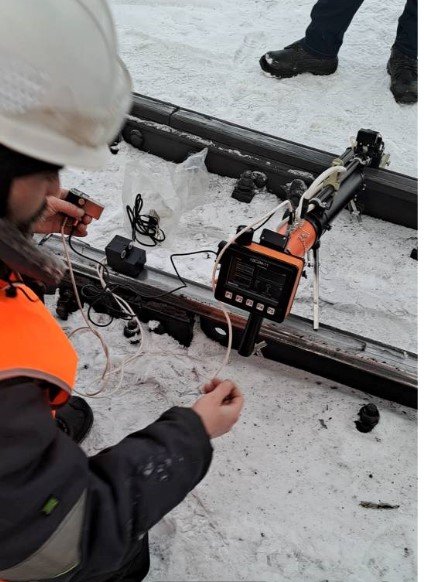
Do You Know What Rail Flaw Detection Is?
The derailment of loaded freight cars due to a fatigue crack in a rail head demonstrated the consequences of hidden track wear. We examine the primary non-destructive testing methods for rails and turnouts, the specifics of ultrasonic flaw detection, and inspection schedules to prevent accidents.
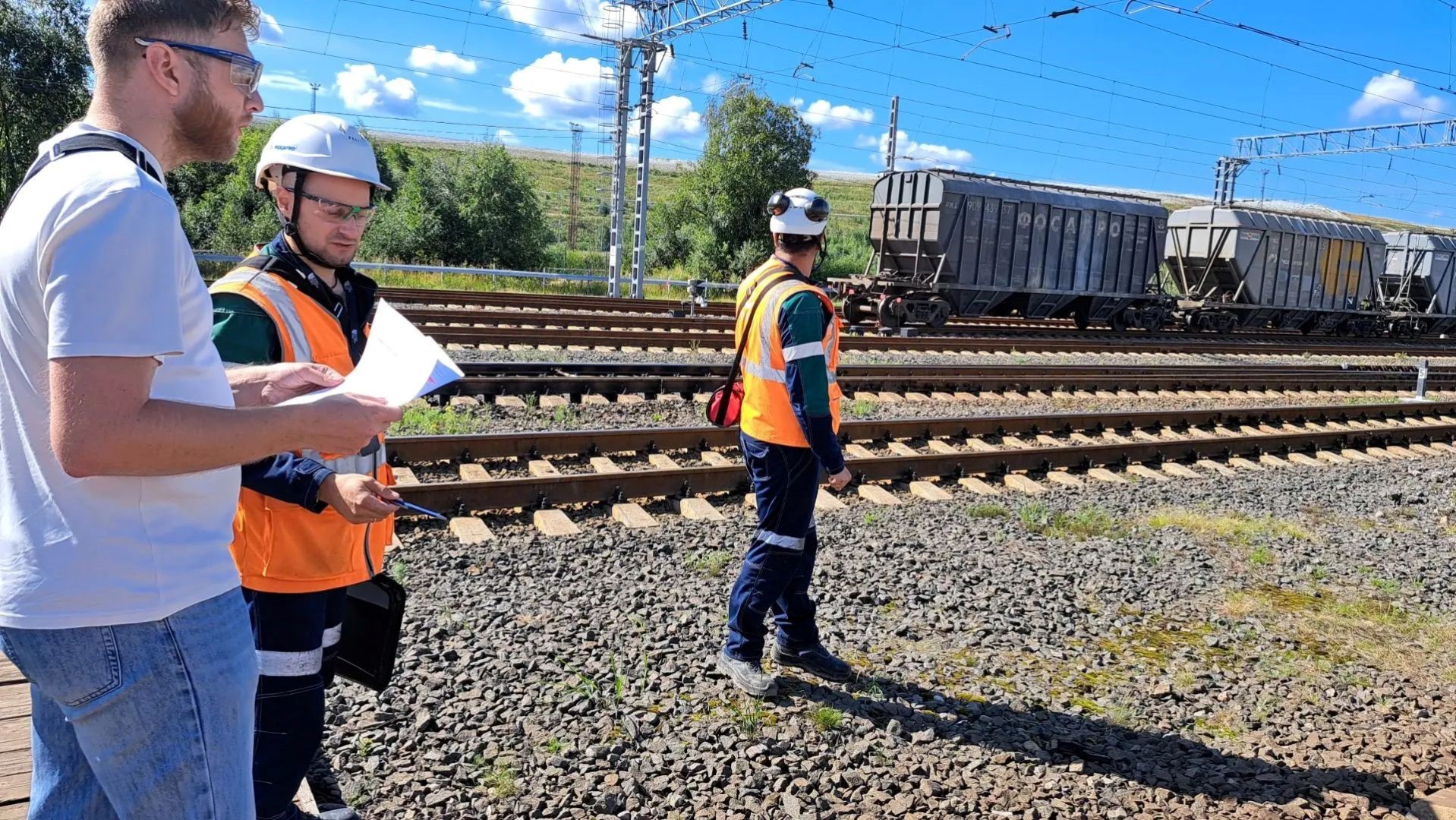
Best Practices for Creating Video Content for Introductory HSE Inductions
How can an introductory HSE induction be made truly effective? JSC "Apatit" shares its experience in creating training videos for railway infrastructure workers. Discover how to prepare a script, visually demonstrate risks, and why this format works.

Freight Car Building: Manufacturer Efficiency VS Customer Safety
Integration of safety elements (brake shoes and structural anchors for fall protection systems) directly into the freight rolling stock design at the production stage. The initiative aims to reduce injury risks for consumer companies and change industry standards in railcar building.

Synergy of Safety Culture and Production
Integration of safety and production cultures through the adaptation of behavioral safety audits (BSA) and expanding the functionality of existing digital systems. Implementation of targeted BSAs combining risk and production process assessments, as well as using data from positioning, aerogas control, and electronic medical examination systems to improve efficiency without significant additional costs.

Digital Solutions for Ensuring Safety in Mining Operations
Implementation of a complex of digital systems in mining operations to monitor the condition of dump truck drivers and prevent collisions. Use of video analytics (OKO system) to detect falling asleep and distraction, as well as the integration of GPS trackers with ACS for personnel positioning and hazardous zone control.

Method of Organizing and Controlling the Safety of Production Processes at a Coal Mine
A commission-based methodology for assessing personnel reliability across four criteria, assigning a color category. Integration of assessment results into an automated work order system to block unreliable workers from dangerous processes.

Click It Before You Get Caught
The article discusses the importance of using seat belts based on traffic accident statistics and real transport incidents. The material describes the experience of JSC SUEK-Kuzbass in implementing an online monitoring system with video analytics that records violations 24/7. The publication explains how automated control helps systematically eradicate violations and protect the lives and health of employees.
Identifying Injury Risks in Rail Transport Using Video Surveillance
At the company JSC "Apatit", the analysis of footage from video surveillance cameras made it possible to identify critical violations of occupational health and safety requirements during the operation of rail transport. Based on the results of internal investigations, organizational and technical measures were developed, including conducting tests of a video analytics system with computer vision. The article examines practical examples of hazardous situations and describes the operating princip...

Microsleep: The Invisible Enemy Behind the Wheel
The article describes the experience of implementing a driver fatigue monitoring system (SKUV) at the Bystrinsky GOK to combat microsleep — involuntary falling asleep at the wheel of a mining dump truck. The hardware and software system tracks signs of fatigue in real time and instantly responds with an audio signal and seat vibration. The author reveals the technology's design, the process of overcoming employee distrust, and the practical benefits of the system for preventing traffic accidents...
Proactive Training as the Key to Driver Safety in Open-Pit Mines
Transport accidents in open-pit mines remain one of the main sources of severe injuries, so risk minimization requires a conscious approach to training haul truck drivers. The article examines the experience of using the 'Defensive Driving' coaching program, which combines theoretical analysis of risky operations and practical skill development at a training ground. Such training contributes to the formation of logical memory and deeply conscious safe behavior in complex operating conditions.
How to Build a Comprehensive Transport Safety System
A comprehensive transport safety management system at an industrial enterprise, including abandoning the rotational method, implementing automated pre-trip medical exams, and creating mobile road safety control groups. Application of technical assistants: driver fatigue monitoring systems, onboard machine vision on locomotives, telemetry alertness bracelets for drivers, and laser visualization of danger zones.