#Feedback
Feedback as fuel for Continuous Improvement in OHS. Two-way pipes evaluating grievance not just burying it. Installing dynamic 'idea boards', blind suggestion boxes, and honest dialogue with STOP-Cards.

“Culture Eats Strategy for Breakfast”: How Safety Brings Back Production Targets
At Metalloinvest, the phased development of production culture—from stabilization to systematization—is directly linked to meeting production targets and achieving financial results. This approach helps move away from constant “firefighting” and build stable, systematic operations.
The Image of the HSE Function as a Tool for Safety Culture Development
Why do workers hide risks from safety professionals, and how can companies shift from policing to partnership? We explore Nornickel's experience: four factors of HSE perception, shop floor placements, and a feedback system that turns the department's image into a practical safety tool.
Post-Authorization Training: How to Make Safety Information Part of the Job
Authorization to work independently is not the end of training, but the start of a long journey. Learn how to manage safety information so employees don't just listen to briefings, but understand risks and apply knowledge in practice every day.
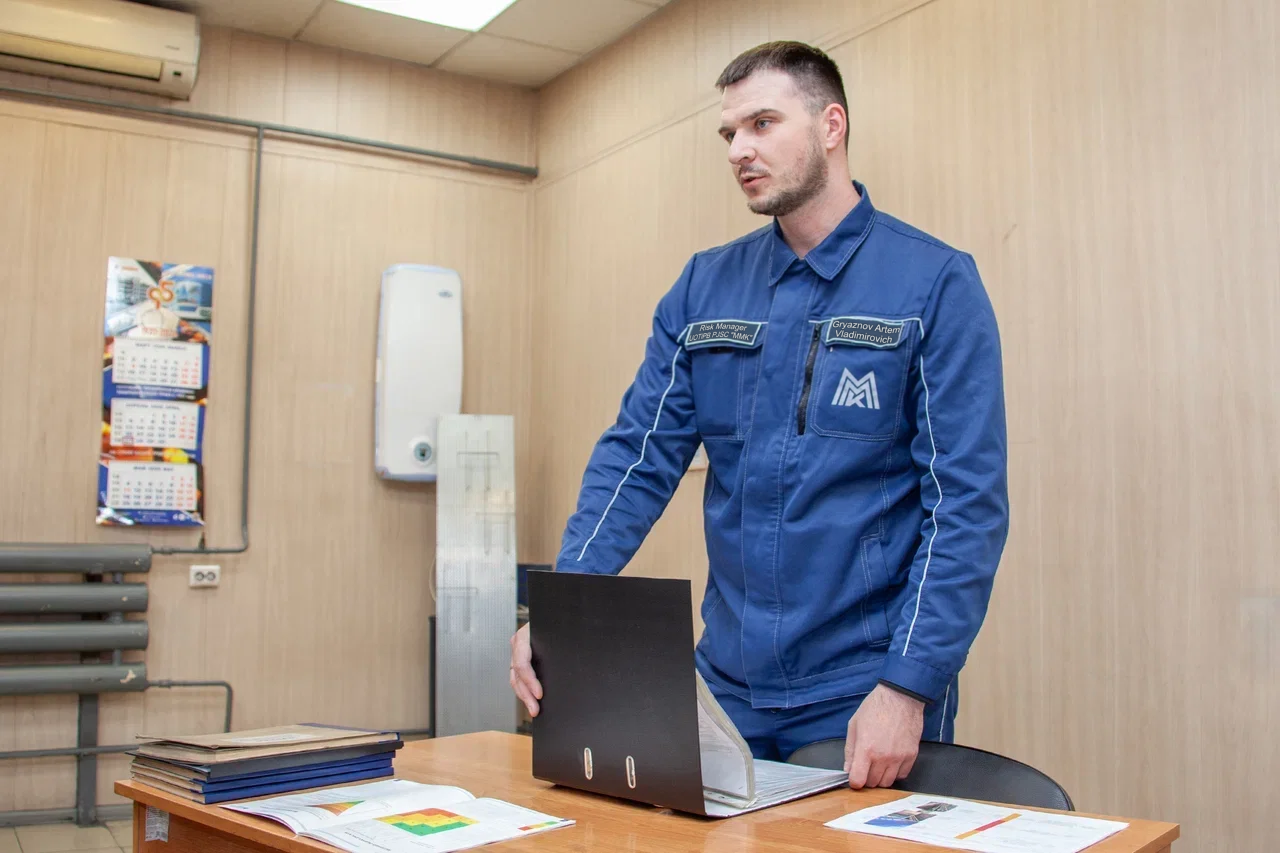
Shift Handover Meetings: How Frontline Supervisors Can Turn Briefings into Tools for Safety and Efficiency
A pre-shift meeting is not a routine 'five-minute briefing', but a key barrier against injuries. Learn how a line manager can conduct meetings effectively: identify risks, assess the condition of the crew, and engage workers in safety.


Leadership: Do You Really Need It?
Transformation of safety culture at a large industrial enterprise through the transition from directive control to engaging leadership. Implementation of developmental feedback tools, behavioral safety audits, and Just Culture principles for proactive management of minor injuries and near misses.

How to Avoid a Fatal Error in a Critical Situation and What Does Practice Have to Do With It?
Individual 15-minute emergency drills at the workplace (DRA Workshop). The trainer simulates an emergency, and the worker physically performs the necessary actions, followed by developmental feedback.

Mentoring as a Manager Development Tool. To Delegate or Not to Delegate, That is the Question?
Implementation of a mentoring and delegation system as a tool for developing managerial competencies. The practice includes 10 best manager practices, a PDCA delegation algorithm, and visual goal management.

From Chaos to Calm: How to Organize a Manager's Work in HSE
Implementation of an HSE manager work standard focusing on line walkdowns. The tool aims to transition from reactive control to a systemic search for improvements through employee dialogue and constructive feedback.


 +3
Q&A Session with Expert Council Members and HSE TOP 100 Rating Candidates
Participation in the all-Russian HSE TOP 100 rating as a tool for professional assessment, benchmarking, and career development of HSE specialists. The practice includes preparing a structured self-presentation, visualizing achievements, passing an interview with the expert council, and working with feedback to improve the enterprise's HSE management system.

Developing a Safety Culture in Manufacturing: Fostering Worker Awareness
A comprehensive approach to developing a safety culture on the production floor through a combination of tangible and intangible motivation, engaging personnel in risk identification, and conducting multi-level audits. The practice includes using remote inspections, anonymous feedback channels, and regular social dialogue between management and workers.

Effective HSE Communication. Ways to Engage Employees in Safety Issues
A comprehensive internal communications system in occupational safety, including corporate media, employee videos, regular safety committees, and feedback tools. The practice aims to engage personnel at all levels, from top management to ordinary workers, in HSE issues and create a unified information space.

Employee Engagement in the Observation System
Implementation of the Certainty digital platform for collecting safety observations, separated into unsafe conditions and unsafe behavior. The system operates on complete anonymity for violators, featuring daily engagement analytics and data integration into regular management meetings.