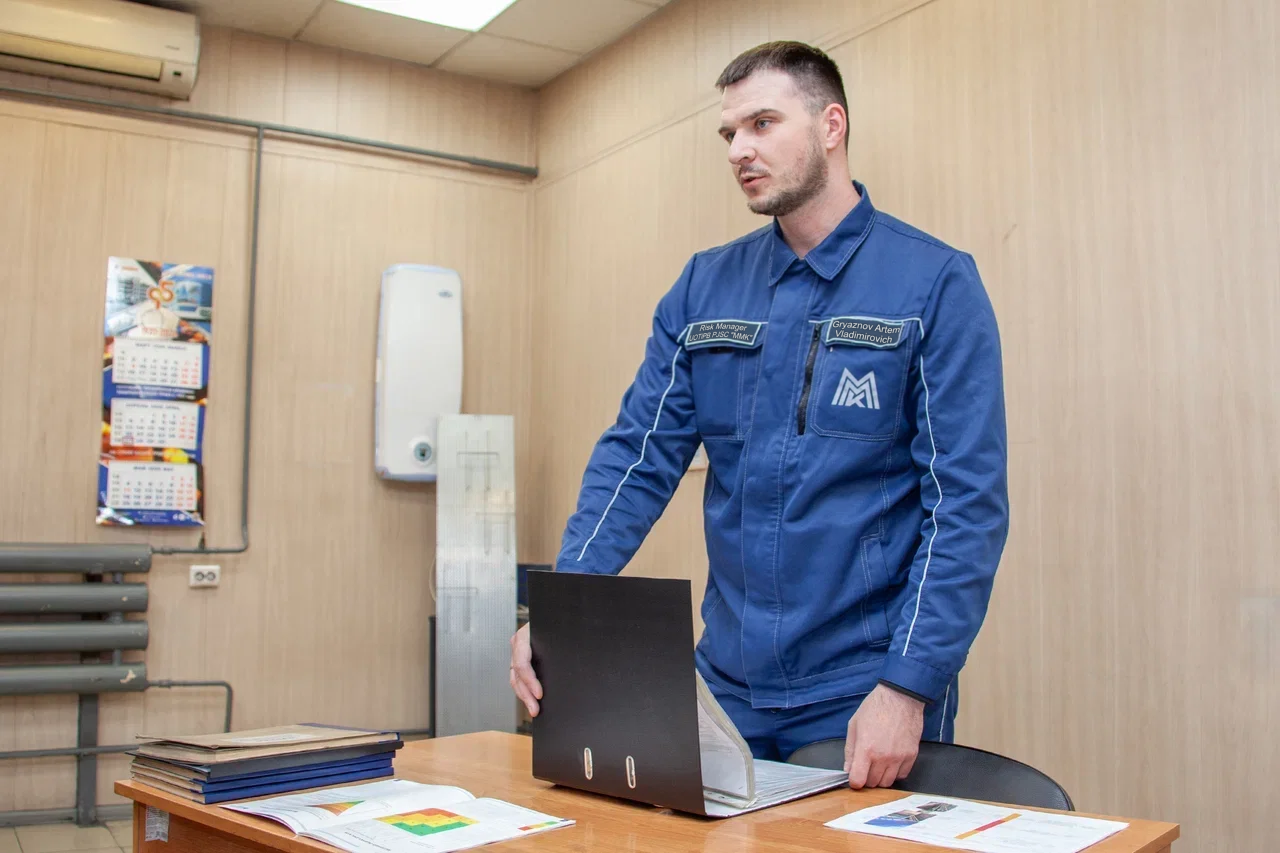
Shift Handover Meetings: How Frontline Supervisors Can Turn Briefings into Tools for Safety and Efficiency
A shift handover meeting (SHM) is not just a formal briefing at the start or end of the day, but a fundamental management tool for frontline supervisors that directly impacts safety, productivity, and team discipline.
Many view SHMs as a routine where the supervisor reads off a list of tasks while workers wait silently for it to end. This is a mistake. A properly organized meeting can prevent accidents, save hours of work time, and align the team. In this article, we will look at why SHMs are necessary and how to conduct them with maximum efficiency.
Why are SHMs needed? Three main goals.
A shift handover meeting resolves three critical tasks at the boundary of two shifts:
- Passing the focus. The outgoing shift passes on the "reality map" (what has been done, what problems arose, where processes remain incomplete), while the incoming shift receives current tasks.
- Synchronizing resources. The supervisor assigns workers to workstations based on current attendance, skills, and daily priorities.
- Preventing disruptions. Identifying hidden issues (equipment breakdowns, raw material delays) before they halt the entire process.
The cornerstone: SHMs and occupational safety.
Safety does not begin with classroom safety briefings, but at the shift handover meeting. An SHM is the primary barrier against workplace injuries. It is here that a frontline supervisor must:
- Assess the psychophysical state of employees. Visual observation allows supervisors to spot fatigue, sleep deprivation, or illness in time, preventing workers from engaging in hazardous tasks.
- Conduct a targeted briefing. Focus on specific risks for the current shift rather than general phrases ("Be careful!"). For example: "Today we are carrying out work at height at area No. 3. Check safety harnesses and guardrails."
- Receive feedback on unsafe conditions. Workers should be able to speak up openly: "The previous shift noticed sparking in the electrical panel" or "Oil spilled in the walkway." The meeting is the place to eliminate risks before work begins.
Major supervisor mistakes during SHMs:
- Monologue instead of dialogue. If only the supervisor speaks, it is a lecture, not a meeting. Engage all workers in the discussion process.
- Dragging out the time. Personal issues or lengthy performance reviews of individual workers should be moved to a one-on-one format.
- Lack of visualization. Using schedule displays and engagement boards significantly increases information retention.
An effective SHM reflects the frontline supervisor's authority. If you conduct it dynamically, constructively, and with genuine care for workers' safety, the team will respond with high engagement and strong operational performance.