#PPE
Modern personal and collective protective equipment (PPE). A systematic approach to selecting and implementing PPE ensuring both reliable protection and comfort. Includes cases on risk-oriented issuance norms, dermatological PPE testing, and automating storage processes.

HSE as the Spark of Digital Transformation: How We Launched AI in the Company
Phased implementation of AI tools in the HSE processes of a large industrial company. The initiative began with creating simple chatbots for risk assessment and PPE without programmers, which engaged management and led to deploying an in-house local LLM within a closed security perimeter.

AI and Machine Vision in HSE: From Idea to Launch
Implementation of a machine vision system based on the Open Source MoonDream model to monitor PPE usage and sanitary compliance in food production. The system analyzes real-time video streams, sends violation alerts to a Telegram bot for responsible managers within 15 seconds, and is accompanied by a positive employee motivation program without fines.

Automating PPE Accounting and HSE Document Management, or How Enot Brought Order
Comprehensive automation of HSE processes and PPE accounting in a company with 30,000 employees. Implementation of electronic document management using UNEP, reduction of PPE nomenclature from 8,000 to 120 items, and conversion of the personal accounting card into a dynamic report format.

Contractor Engagement Practices
A comprehensive contractor safety management system at high-hazard facilities. Includes integrating HSE requirements into contracts, implementing 12 life-saving rules, 5S, DROPS, scaffolding and lifting accessories control, and digitalizing high-risk and SIMOPS control.

Corporate Requirements for Workwear
The article examines the experience of implementing a corporate workwear brandbook to systematize procurement and provide workers with high-quality personal protective equipment. Using the example of their organization, the author shows how detailed requirements for design, color, and material allow for the quick preparation of technical specifications, identification of employees by department, and reduction of costs by minimizing slow-moving warehouse inventory. The material also describes the...
PPE Field Testing: Is It Really That Important?
The selection of personal protective equipment requires considering specific working conditions and the opinions of the workers themselves, making workplace trials an important stage in the occupational health and safety system. The article examines the methodology for conducting PPE trials at an enterprise, allowing the identification of the most comfortable and risk-protecting solutions. The author shares practical experience on how trial results help draft technical specifications more accura...

History of Personal Protective Equipment
The article traces the historical path of the development of personal protective equipment from primitive ancient prototypes to modern high-tech systems. The material examines key stages in the evolution of PPE, including the Industrial Revolution, breakthroughs of the First World War period, the systematization of standards, and the introduction of composite materials. The review shows how protective equipment consistently adapted to new industrial risks, turning into ergonomic multifunctional...

Why Are We Still Working on Paper in Manufacturing? PPE Digitalization as a Step Towards Safety Culture
The article is devoted to the digitalization of occupational health and safety processes and the provision of personal protective equipment to employees based on the experience of Nornickel. The transition from paper records to a mobile service allows employees and managers to track the deadlines and status of PPE issuance in real time. The implementation of digital tools simplifies receiving workwear and increases process transparency, strengthening trust and a safety culture.

Safety Practices During Scheduled Preventive Maintenance
A comprehensive approach to safety management during scheduled preventive maintenance (SPM), including preventive practical training ("Safety Weeks") and weekly mass gatherings ("Safety Assemblies"). The practice aims to engage regular staff and contractors, increase risk awareness, and build a zero-injury culture through visual training, public recognition, and a feedback system.
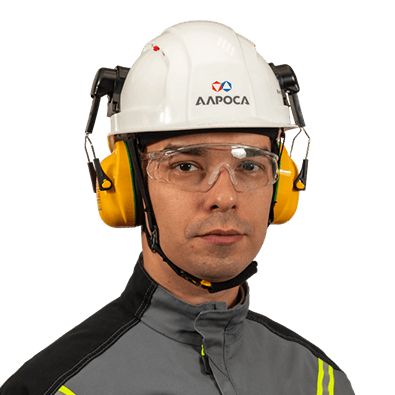
ALROSA Safety Improvement Projects
The article is dedicated to ALROSA's projects on digitalization and improving occupational health and safety at the company's production sites. The material examines the implementation of digital work permit issuance, remote production control, the transition to PPE outsourcing, the LOTO system, as well as the installation of onboard vehicle monitoring kits. The described solutions make it possible to speed up documentation processing, eliminate injuries when working with equipment, and reduce r...

Implementation of a Safety Priority Process Management System Using Specialized Software
Implementation of a safety priority process management system using specialized software (Business Studio). The practice includes three-level process detailing, automatic generation of regulations and job descriptions, and synchronization of strategic goals with operational activities.

Application of Industrial Exoskeletons to Reduce Physical Load on Personnel
A pilot project on implementing passive industrial exoskeletons to reduce physical load on storekeepers and oil and gas production operators. Using exoskeletons compensates for upper body weight, blocks injury-prone postures, and reduces overall load when lifting weights by 62%. Economic efficiency is justified by reduced sick leaves for musculoskeletal disorders and a potential reduction in the working conditions class based on SAWC results.