#Production control
Production control and ensuring compliance with heavy industrial safety mandates. Shifting toward risk-oriented audits. Discusses automating annual reports via digital platforms to bolster site inspections.
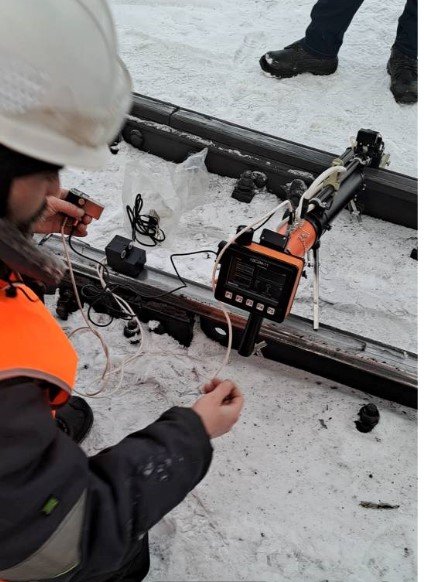
Do You Know What Rail Flaw Detection Is?
The derailment of loaded freight cars due to a fatigue crack in a rail head demonstrated the consequences of hidden track wear. We examine the primary non-destructive testing methods for rails and turnouts, the specifics of ultrasonic flaw detection, and inspection schedules to prevent accidents.

Transformation of Production Control: Barrier-Based Risk Management Model
Digitalization of production control based on a barrier-based critical risk management model using the Bow-Tie method. The practice includes integrating an analytics system and an operational management system to conduct inspections via a mobile application on explosion-proof devices. It features automated generation of corrective work orders and proactive status updates of locations to "hazardous production situation" in cases of systemic deviations.

Integrating Risk Management Systems into Business Infrastructure
Integration of critical risk barrier control into daily production processes using IT solutions and mobile applications. The practice includes the collaborative development of checklists with production personnel, assessment of the actual functionality of barriers, and linking risk management results to the motivation system (KPIs) at all levels. For continuous improvement, the PDCA cycle is applied with regular audits of system adoption in the field.
Transformation of Production Control (Barrier Risk Management Model)
Transformation of the production control system through the implementation of a barrier model for critical risk management (based on the ICMM methodology and Bowtie model). The practice includes identifying critical risks, developing risk maps, building barriers, creating checklists, and fully digitalizing the inspection process with integration into the enterprise's work order system via a mobile app.

Manager's Work Standard – Four Practices, One HSE Document
Combining disparate safety tools (assignment system, production control, behavioral audits, and HSE committees) into a single Manager's Work Standard. Implementation of formalized assignment algorithms, targeted checklists based on Bowtie risk assessment, and new quality metrics to evaluate communication and audit effectiveness.

Effective Control of Industrial Safety on Geographically Dispersed Production Sites of an Enterprise
Optimization of administrative and industrial control at geographically distributed facilities through the transition to a territorial-cluster inspection principle and the formation of mobile inspection groups. Implementation of targeted training for occupational safety representatives based on real violations to improve the effectiveness of control at workplaces.

Development and implementation of the "Production Control" practice within the manager's work standard implementation project
Implementation of production control practice as part of the line managers' work standard. The process includes planning, identifying deviations via checklists, root cause analysis, and correction using digital tools for recording violations.
Transformation of Production Control Through Risk Management
Transition from formal production control to a barrier model of critical risk management using the Bowtie method. The practice includes developing checklists for engineering staff and digitalizing the inspection process via a mobile app on explosion-proof smartphones with automatic generation of work orders to eliminate violations.

The Future of Video Monitoring: Protection, Not Surveillance. Protecting People, Equipment, and Production
The article addresses the problem of employees' formal attitude toward pre-shift equipment inspections and the occurrence of emergency situations. The author shares experience in implementing neural network video analytics, which automatically detects non-compliance with checklist items and sends notifications of violations. Such objective video monitoring makes it possible to switch from reactive management to preventive management, protecting people from injuries, equipment from breakdowns, an...
Voice of Danger: How AI Hears Risks Before They Become Reality
Implementation of an AI-based speech analytics system to automate production control. Workers dictate equipment inspection results into explosion-proof smartphones, and the neural network transcribes the speech, generates checklists, and automatically escalates identified risks to management.

Critical Risk Management. Practical Integration of Risk Management into Production Control
Implementing a critical risk management system in medium-sized enterprises with a limited budget. The practice is based on the barrier approach, identification of catastrophic scenarios, and integration of physical barrier control into the daily work of production managers through checklists and dashboards.

How to Evaluate the Quality of Behavioral Safety Audits?
The article describes how to evaluate the quality of behavioral safety audits (BSA) for their further improvement using a special checklist. The tool includes the stages of conducting BSAs with scores from 0 to 2, an additional persuasiveness step, and is suitable for use directly at the enterprise or during practical training sessions. Recording in the checklist the positives and what could be done better allows saving the necessary records for subsequent feedback.