Experience of ZARUBEZHNEFT-dobycha Kharyaga: Implementing Environmental Monitoring and Biodiversity Conservation Programs
Environmental Monitoring
ZARUBEZHNEFT-dobycha Kharyaga, acting as the operator, carries out the production and treatment of oil and associated petroleum gas at Objects 2 and 3 of the Kharyaga field, located in the Nenets Autonomous Okrug, under a Production Sharing Agreement between the investor and the state.
Every year, the company conducts environmental monitoring of the field's natural environment in the vicinity of production facilities. This involves sampling and analyzing atmospheric air, snow cover, surface and ground waters, bottom sediments, soils, and vegetation, as well as studying the depth of ground thawing in production site areas. Additionally, observations are conducted on terrestrial flora and fauna, and hydrobionts.
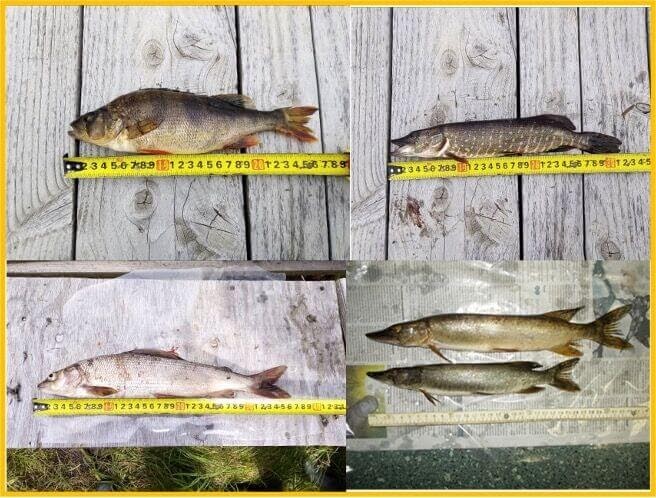
Figure 1 – Determining the characteristics of fish caught in the Kolva and Lekkharyakha rivers
Based on the results of the work, quarterly and annual reports are compiled, providing recommendations aimed at reducing industrial impacts on the environment if such impacts are identified or if there are prerequisites for their occurrence in the future.
Since 2018, the enterprise has been using unmanned aerial vehicles (UAVs) as a measure for visual monitoring of changes in the state of the environment.
This survey method allows for obtaining information on the condition of pipeline protection zones and the natural environment in the vicinity of industrial sites, including areas that are difficult to access due to weather conditions in different seasons.
In 2021, the company began using UAVs equipped with thermal imaging cameras. The primary purpose of the thermal imager is to measure surface temperatures to identify equipment operation anomalies, detect environmental pollution from oil-containing liquids, track changes in permafrost conditions, and more.
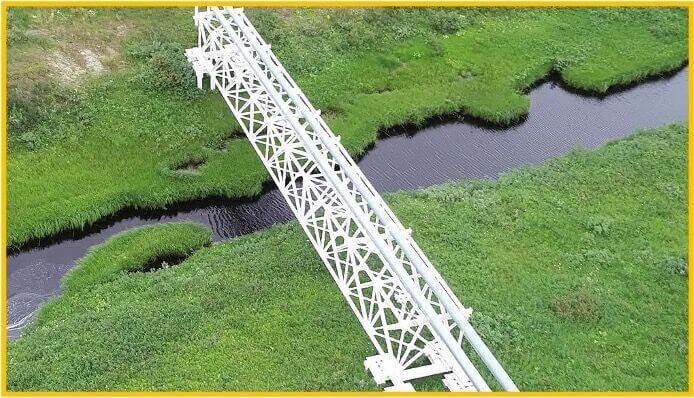
Figure 2 - Oil pipeline crossing from well pad ER-2 to the CPF over the Lekkharyakha River
Upon completion of the flight, specialists receive high-quality video footage. Detailed analysis of the footage provides information on disturbances and pollution of the soil and vegetation cover, surface pollution of water bodies, and the condition of industrial areas, including those where the company's contractors operate.
Timely acquisition of reliable information on the state of the environment makes it possible to take preventive measures to avoid or reduce negative consequences, as well as prompt measures for environmental restoration.
Biodiversity Conservation Program
In 2018, ZARUBEZHNEFT-dobycha Kharyaga developed a Biodiversity Conservation (BC) Program.
The main objectives of the BC Program at the initial stage were:
- Determining the species composition of animals inhabiting the field territory;
- Systematizing information for use in developing future biodiversity conservation programs;
- Creating a list of measures to identify the impact of the company's economic activities on the ecosystems of the Kharyaga field;
- Engaging stakeholders to increase the effectiveness of biodiversity conservation measures in the Nenets Autonomous Okrug.
As part of the Program's implementation in 2018-2019, the following work was carried out:
- Geobotanical survey of vegetation using experimental plots;
- Study of the species composition of ornithofauna;
- Study of mammal biodiversity;
- Study of the species composition of hydrobionts (ichthyofauna, benthos).
In 2020, the BC Program was updated.
The new Program included lists of flora and fauna species that serve as indicators of the stable state of ecosystems (indicator species) of the Kharyaga field, as well as work to study a flagship (significant) species — the wild reindeer in a regional context.
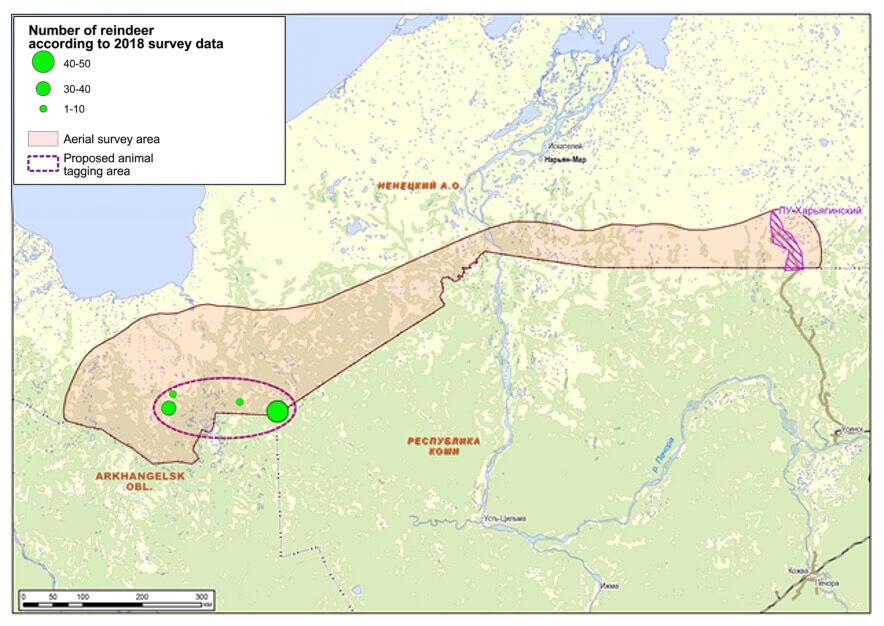
Figure 3 - Area of work for studying the flagship species (wild reindeer)
According to the new BC Program, field studies were conducted during 2021-2022, including the use of light aircraft.
The aerial observation zone included the area of the NAO adjacent to the Kharyaga field, as well as the field territory itself. Unfortunately, apart from domestic reindeer herds, no wild reindeer were found.
During ground field work in August 2022, reindeer herding teams captured two wild reindeer that had approached a domestic herd and lived with them for a long time. The event took place northwest of the Kharyaga field along the animals' migration path. Successful results were achieved.
Representatives of the reindeer herding teams approached the wild reindeer unnoticed from the downwind side, using camouflage, and were then able to capture the animals with a rope loop. Following this, collars with satellite radio tags were fitted to the necks of the wild reindeer — a process known as tagging or marking. The GPS-enabled collars are registered in the specialized Argos program, which allows for tracking the animals' movements and monitoring their future fate.
The most important distinguishing feature of the Kharyaga field is its ecotone nature, due to its location at the border of two major biomes — taiga and tundra. This explains the relatively high diversity of plant community types and associated wildlife habitats, as well as the presence of range boundaries for both flora and fauna species, including those associated with forest habitats. In this regard, one of the most important directions for biodiversity conservation at the Kharyaga field should be the protection of forest and woodland communities, as well as monitoring the dynamics of the forest zone boundaries.
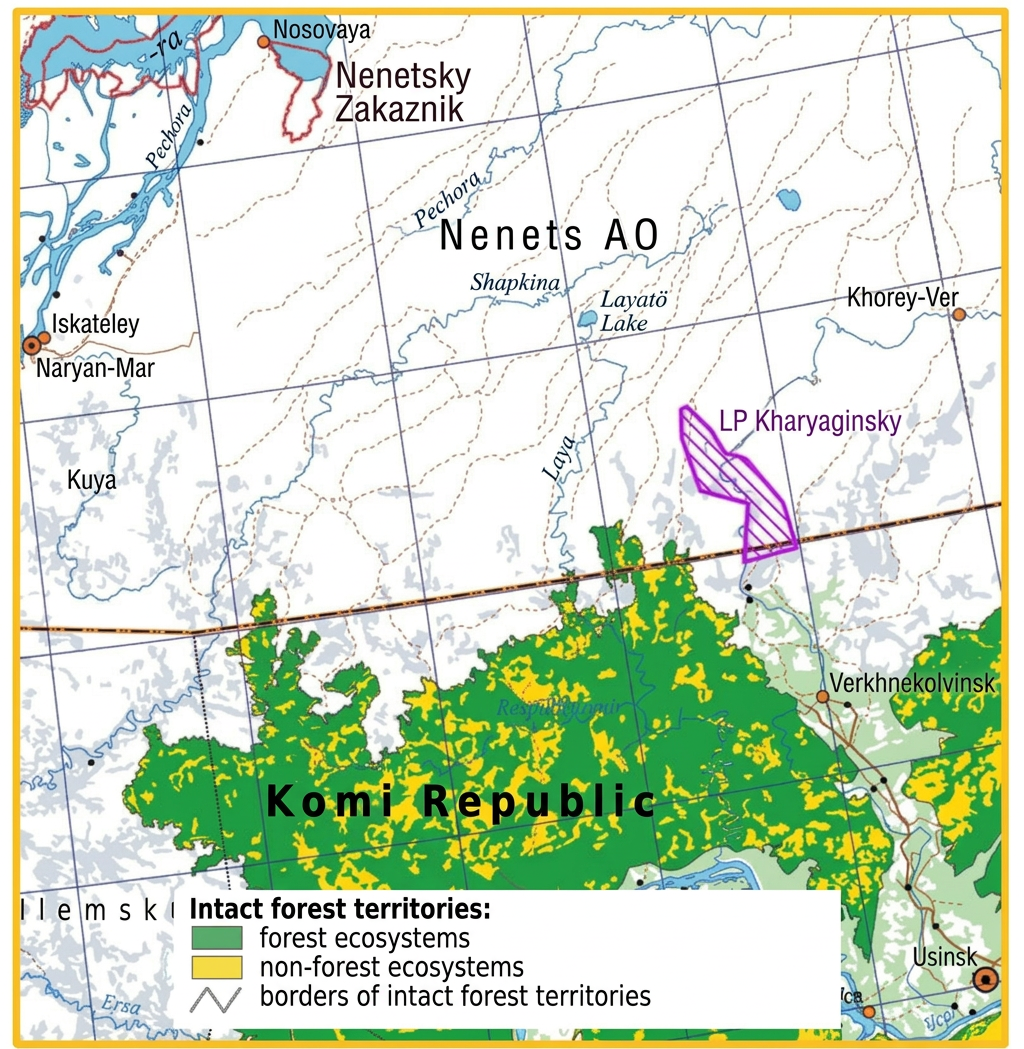
Figure 4 – Location of the Kharyaga license area
Starting from 2024, the following work is planned as part of the BC Program implementation:
- Observations of the flagship species (moose) as a vulnerable species at the edge of its range — forests on the border of the Komi Republic and the NAO.
- Conducting field zoological studies on survey routes, lines, transects, and key points within the main habitat types.
- Implementing model biotechnical measures for mammal fauna (ungulates – moose): manufacturing and installing salt licks, etc., and installing camera traps to monitor the effectiveness of biotechnical measures.
- Interpretation of up-to-date satellite imagery to assess the dynamics of the forest boundary and industrially disturbed areas.
- Collecting data on the presence of alien flora species in the immediate vicinity of infrastructure sites. Assessing the risk of identified introduced (alien) species.
- Developing environmental education activities.
ZARUBEZHNEFT-dobycha Kharyaga recognizes the importance of ongoing environmental monitoring and biodiversity conservation work in the Arctic region by companies engaged in mineral resource development.
We hope that the interaction between business representatives, the scientific community, indigenous small-numbered peoples, and regional authorities will allow for the development of a common strategy for the conservation of rare and endangered species and the creation of recommendations to reduce negative industrial impacts on the region's wildlife.