A Leader Who Knows How to Listen
Managers often feel they know their operations inside and out: where bottlenecks occur, what workers lack, and which solutions are needed. Yet knowing that a problem exists is not the same as understanding how it is experienced by the person who faces it on the shop floor every day.
It is much like family relationships. Parents may be convinced they know what their children want while rarely asking them directly. Care and life experience offer adults ready-made answers. Even the best intentions, however, cannot replace a conversation: only by asking can you learn what truly matters to another person.
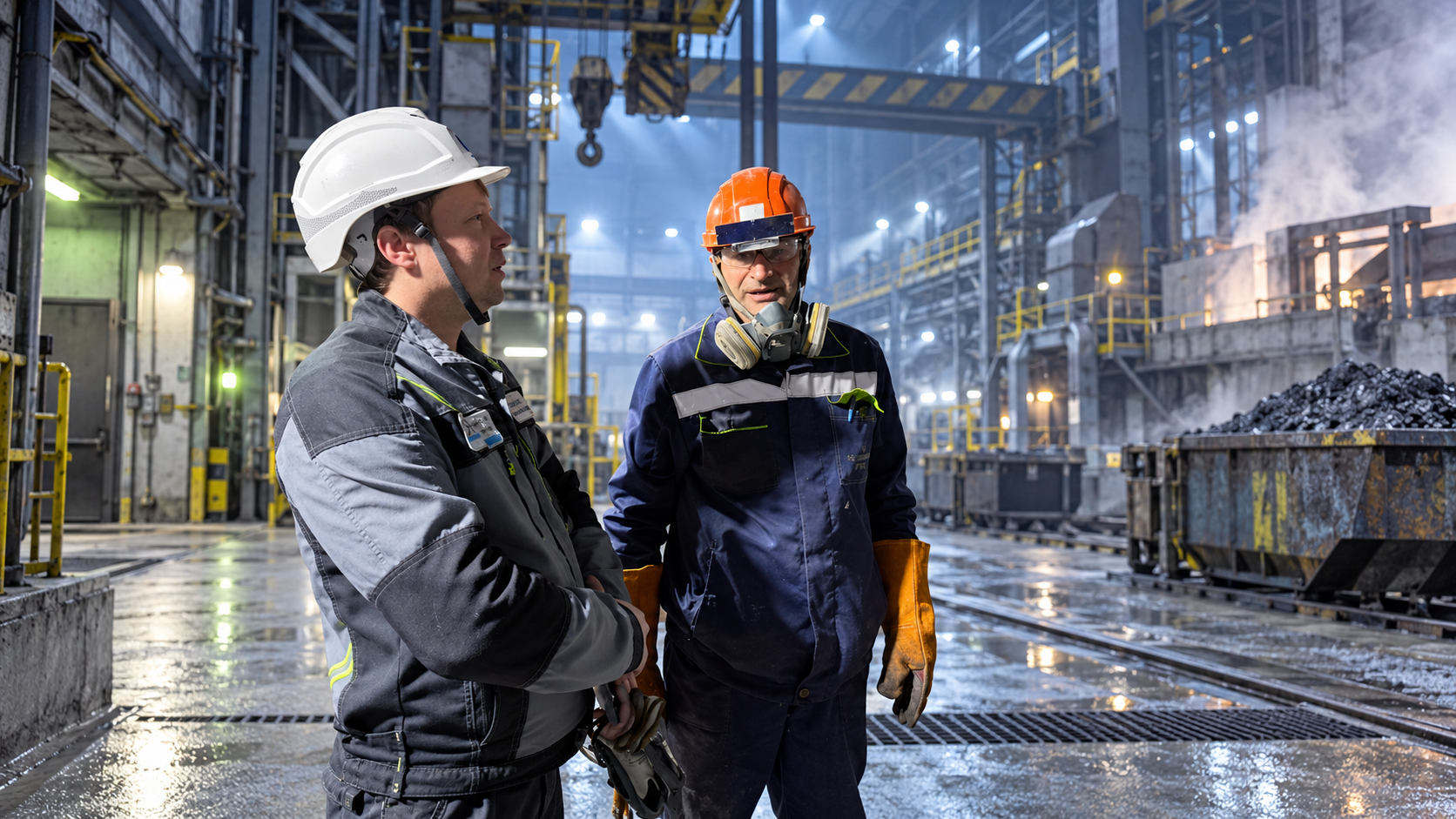
A similar dynamic unfolds in industrial operations. A manager sees the big picture, is accountable for results, and often knows in advance which issue needs fixing. A frontline worker sees the job from the inside—through specific tasks, equipment, constraints, and daily frustrations. That is why a leader's confidence in knowing how things stand should always be tested through direct conversation with the people actually doing the work.
Why Step Outside Familiar Routines
When it comes to engaging with the shop floor, managers often say: "We already talk to our people. We walk the areas, know many of them by sight, and understand what is going on." That may well be true. However, familiarity and regular walkthroughs do not automatically mean a worker has shared everything that is on their mind.
The difference becomes clearer when a leader steps outside their usual circle and speaks with crews in another area or department. They may find that communicating is not as effortless as it seemed: in an unfamiliar setting, you have to build rapport from scratch, ask thoughtful questions, and listen carefully without jumping to conclusions.
For the worker, an unfamiliar manager also changes the dynamic. Some may hold back because they do not know whether the visitor can be trusted. Others, conversely, may decide to bring up issues they never mentioned to their direct supervisor. Because you cannot predict the reaction in advance, the goal is to create a safe space for dialogue and let the employee decide how much they are ready to share.
The Real Truth Lives on the Shop Floor
When workers are given the space to speak freely and see that they are genuinely being heard, they often describe operational issues in greater breadth and detail. Sometimes concerns surface with an urgency that catches management off guard. This reveals the gap between what a leader considers a known issue and how that issue actually affects the worker. Alongside it, other previously unspoken difficulties may also come to light.
Here, it is easy to fall into the trap of the ready-made answer. A manager might arrive at a work area with a predetermined fix and inadvertently turn the conversation into an exercise in confirmation bias. When that happens, they hear mostly what fits their existing view, while new concerns remain outside the scope of the discussion.
To avoid this, it is essential to go to where the work actually happens—the gemba—not just to announce a decision, but to discover what you do not yet know:
- What part of this job is the hardest to get done?
- What gets in the way of doing the work safely and to a high standard?
- What workarounds or hazards have people gotten used to, even though they still cause trouble?
- What do people usually not bother bringing up because they feel nothing will change?
Questions like these only matter if they are followed by genuine attention to the answers. Listening means not interrupting, not dismissing what is said, and not rushing to explain why the problem exists in the first place. Even that is only half the battle: employees need to see what happens after the conversation ends.
Said and Done
Once an issue is raised, it must be logged, and its status must be transparent to the workforce. Management needs to openly show what has already been completed, what is still in progress, and what corrective actions are being taken. Visual tracking boards, shop-floor displays, digital platforms, or any other accessible tools can serve this purpose. What matters is not the medium itself, but the ability to track what happens to the concern.
Not every issue can be resolved immediately or in the exact way a worker suggested. Nevertheless, the rationale, timelines, and next steps can always be explained. Clear follow-up proves that the person was heard and their input was not forgotten.
If gathering feedback turns into a box-ticking exercise, trust evaporates quickly. A worker who points out a hazard and sees no response is likely to stay silent next time. Coworkers notice this too: when raised concerns go unanswered, everyone else has less reason to speak up.
The opposite approach creates a virtuous cycle. When employees see that a reported issue is moving toward resolution, they become much more willing to share other observations. Gradually, even those who used to stay quiet begin to contribute. Timely feedback brings more operational pain points to the surface, helping teams spot and mitigate safety risks before they lead to an incident.
Putting It All Together
Safety leadership begins with recognizing that a manager cannot know everything about someone else's job simply by holding a title, visiting the plant floor, or recognizing workers by face. Seeing the real picture requires asking questions—and being prepared to hear answers that challenge initial assumptions.
Yet listening only becomes meaningful when backed by clear follow-through. Workers need to see that their input is recorded, the issue is under review, and either the solution or the reason for any delay is communicated. Otherwise, the conversation will not build trust; it will gradually strip away the desire to speak up.
Ultimately, the most important question for a leader is not just "What do I already know about this problem?", but also "What am I still missing?" The answer can shed light on blind spots that routine safety walks and preset solutions never reach. Following a clear sequence—ask, listen, investigate, and show results—turns everyday dialogue into a powerful way to spot hazards earlier and make work safer.