#Employee engagement
Involving personnel in occupational health and industrial safety issues: leadership walk-arounds, behavioral audits, observation and suggestion systems, developing open dialogue on site. This section features the experience of companies moving from a paradigm of control and punishment to partnership, instilling conscious attitudes towards safety and active risk identification in workers.

Safe Behavior in the Workplace: A Psychologist's Recommendations
How can you increase safety awareness among frontline workers using simple self-check questions? We explore a three-stage psychological support methodology—before starting, at the workstation, and after completing a task—that helps identify risks early and prevent unsafe actions.
Post-Authorization Training: How to Make Safety Information Part of the Job
Authorization to work independently is not the end of training, but the start of a long journey. Learn how to manage safety information so employees don't just listen to briefings, but understand risks and apply knowledge in practice every day.
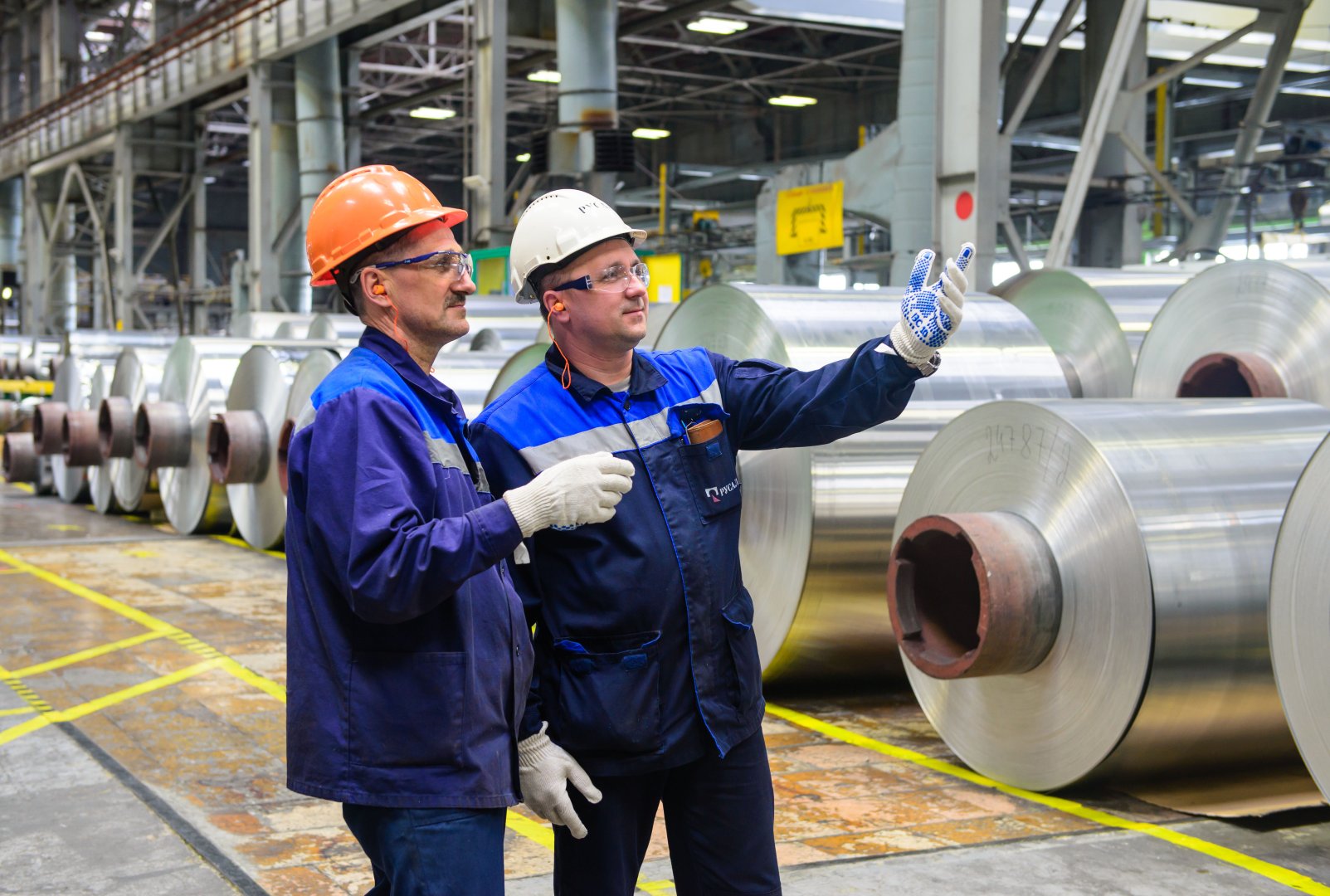
🛡️ Safety: Safety Observation Program (UC RUSAL) — Part 1
The outdated three-stage safety inspection system is becoming obsolete. Read how UC RUSAL's Downstream Division is implementing modern safety observations, overcoming formalism, and building a new HSE culture without massive IT budgets.
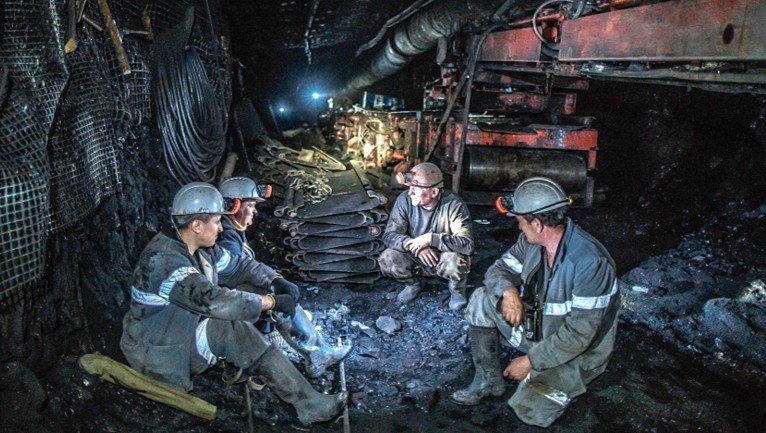
🛡️ Safety: what are you personally ready to do for safety?
Priorities change when production targets are falling behind, and values are compromised when a crisis hits. Why true safety culture begins not with declarations, but with everyone's personal choice — and what you can start doing in your workplace today: personal example, stopping unsafe actions, honest conversation, and searching for solutions instead of culprits.
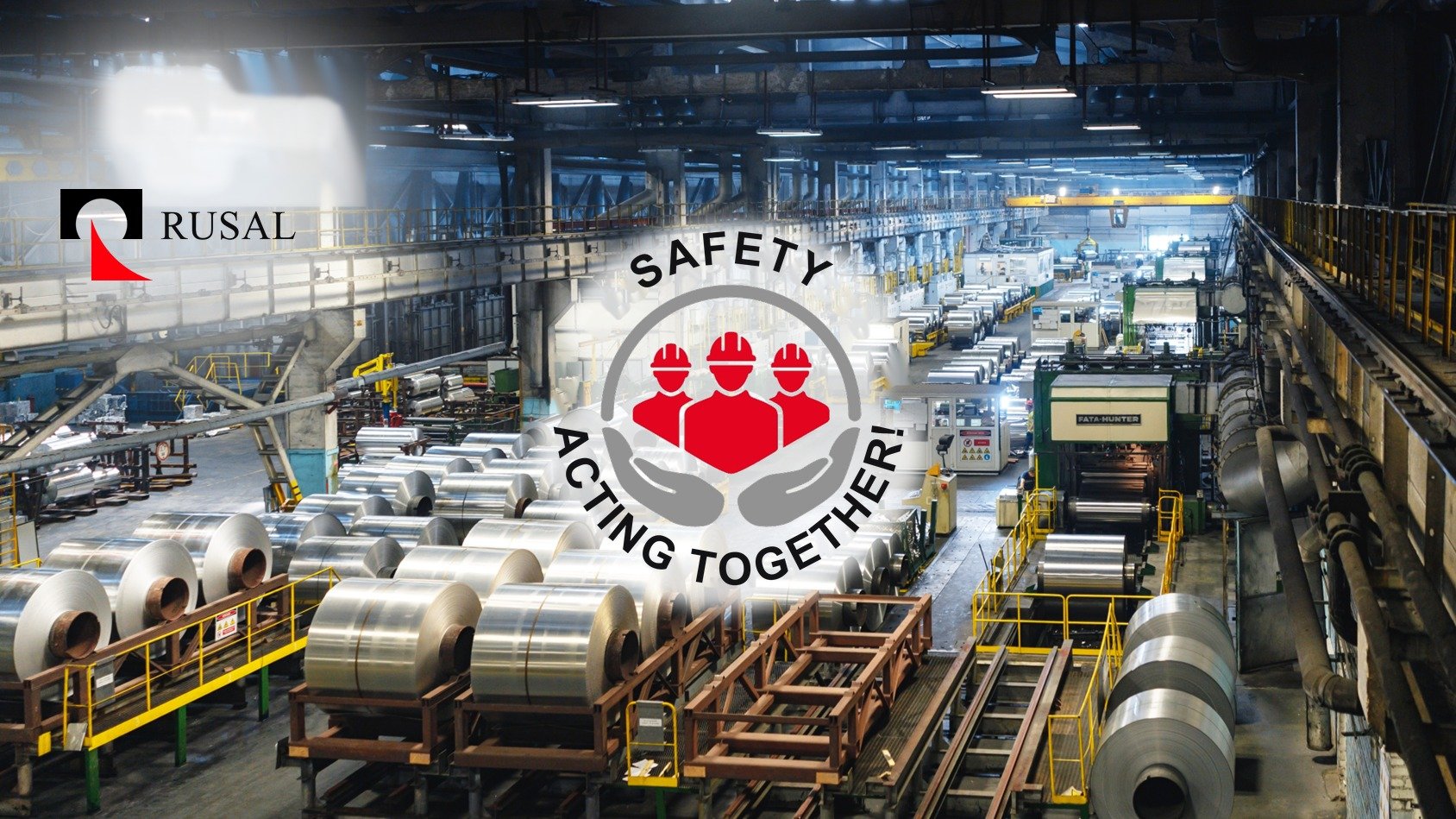
🛡️ Safety: “Safety: Acting Together” (UC RUSAL) — sharing my experience
Experience in building a corporate industrial safety and occupational health management system in the Downstream Division of UC RUSAL: 11 enterprises, about 8 thousand employees, five years of consistent work — and a 7.3-fold reduction in injury frequency, employee engagement of 42%, and a more than 6-fold increase in hazard elimination.

🛡️ Safety: When Business Becomes a Game of Fire
Occupational health and safety is not just a formality, but the main indicator of business health. Find out why ignoring safety issues puts a company on the brink of an abyss and how true leadership helps build a reliable corporate culture.
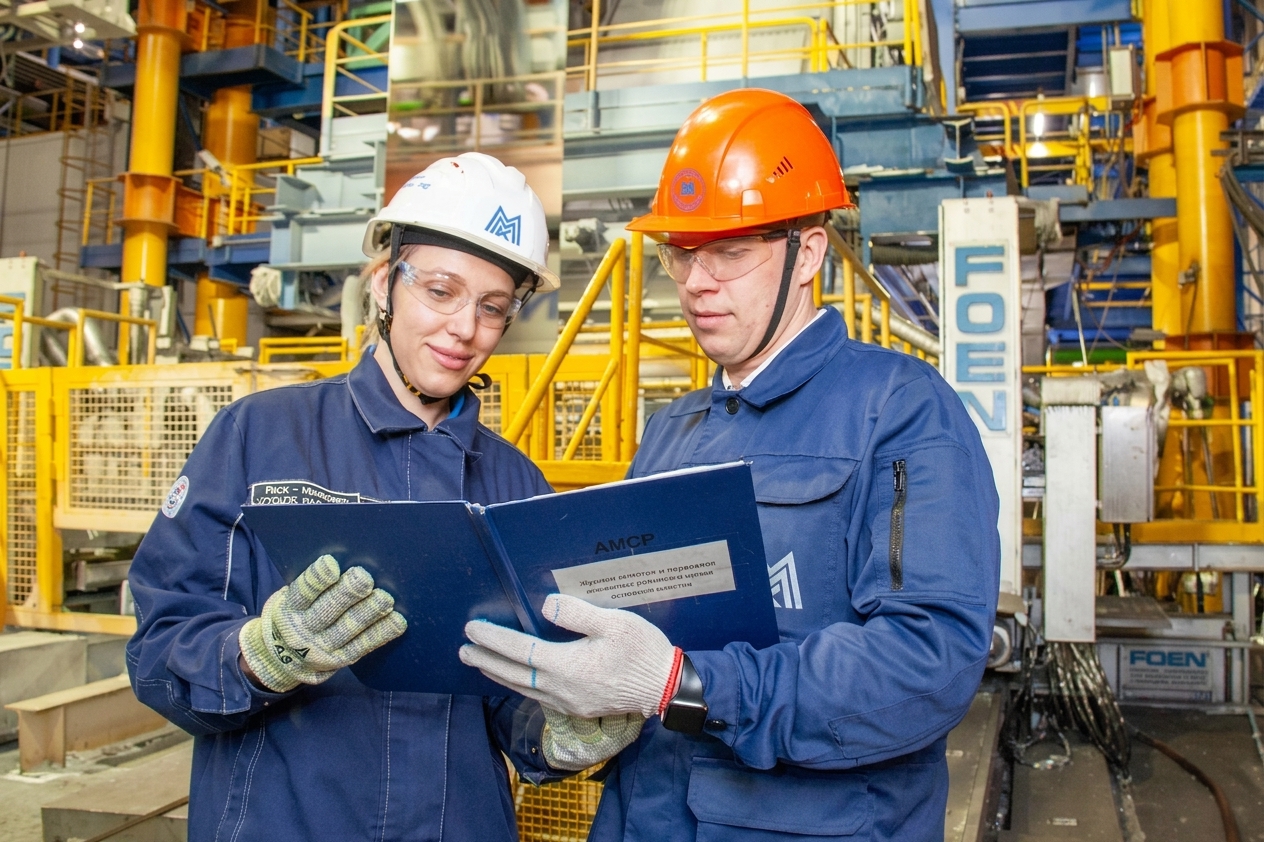
Guardians of Corporate DNA: Why Internal Safety Trainers Are More Effective Than External Experts
Tired of check-the-box briefings? Find out why internal safety trainers are more effective than invited experts. They speak the same language as the team, know real production risks, and turn boring rules into conscious habits, shaping a living safety culture.

A Leader Who Isn't Afraid to Take Off the Tie and Step Into the Worker's Shoes!
Safety culture does not begin with orders, but with personal example and trust. Find out why it is important for a leader to "step into the worker's shoes", how real on-site experience helps identify hidden risks, and why standards alone are no longer enough for effective occupational health and safety.


Production Safety and Operational Excellence
Integration of production safety and operational excellence at a chemical plant through the abandonment of quantitative KPIs for behavioral audits, the implementation of a risk-based approach, and the involvement of top management in regular floor walk-throughs. The practice includes tracking off-the-job injuries in the total LTIFR and implementing frontline personnel initiatives through the corporate "Idea Factory."


Leadership: Do You Really Need It?
Transformation of safety culture at a large industrial enterprise through the transition from directive control to engaging leadership. Implementation of developmental feedback tools, behavioral safety audits, and Just Culture principles for proactive management of minor injuries and near misses.

HSE as the Spark of Digital Transformation: How We Launched AI in the Company
Phased implementation of AI tools in the HSE processes of a large industrial company. The initiative began with creating simple chatbots for risk assessment and PPE without programmers, which engaged management and led to deploying an in-house local LLM within a closed security perimeter.

Efficiency Through Care: How Employee Health Boosts Business Results
A comprehensive wellness program covering the physical and psychological health of employees. Includes on-site check-ups, cardioscreening for employees 40+, multilevel telemedicine, psychological support, and corporate sports development.