#Safety leadership
Safety leadership in industrial environments: the role of top and middle management in corporate transformation. Case studies of companies applying leadership walk-arounds, open dialogue with workers, and personal examples to reach zero injuries.
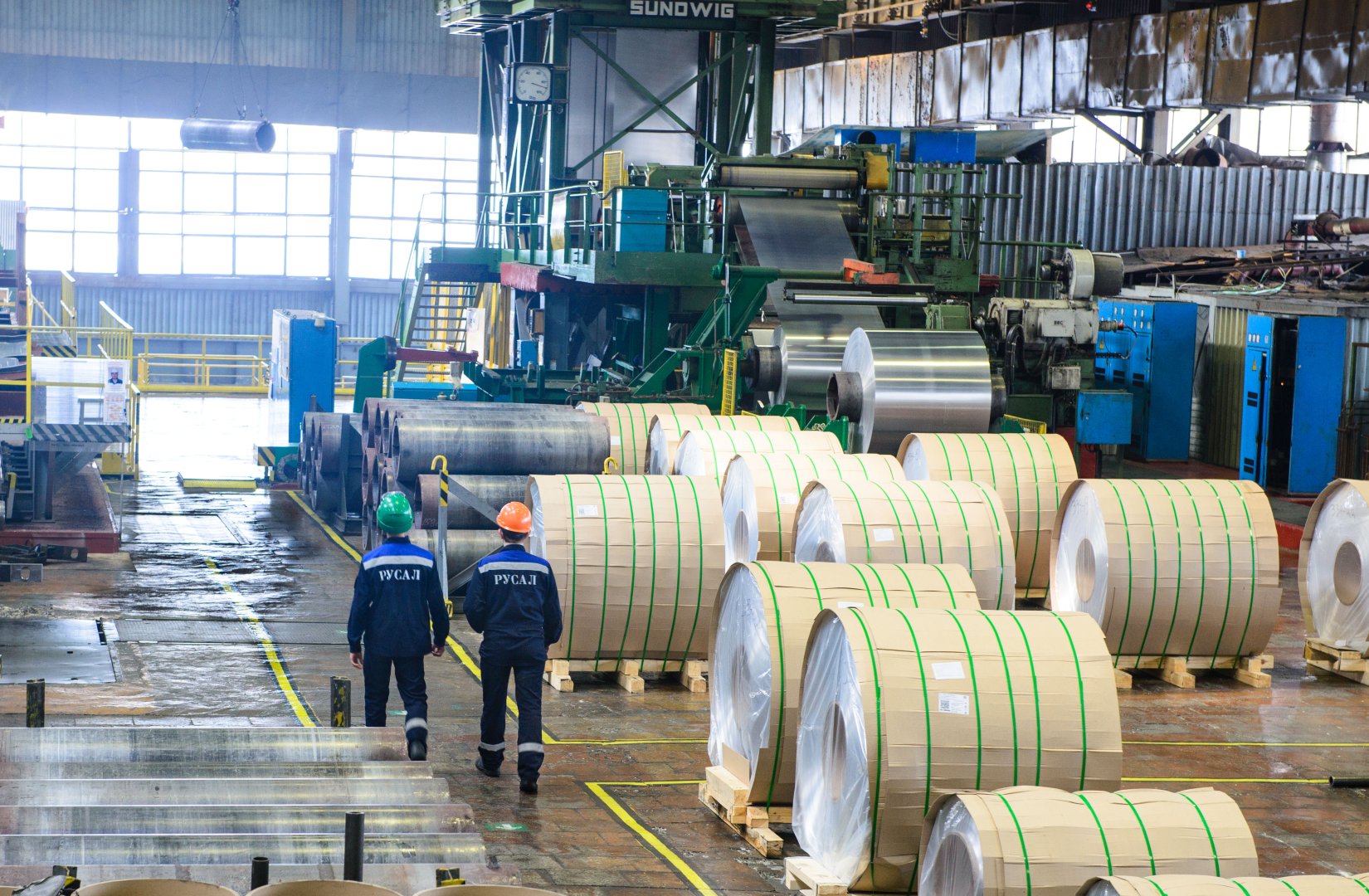
🛡️ Safety: Safety Observation Program (UC RUSAL) | Part 3
How do you design an evolution? How many hazards lurk in your facility's blind spots? How do you assign an owner to every square meter? Line manager autonomy matters. Safety observations: breaking down the mechanics and foundation of a management program.
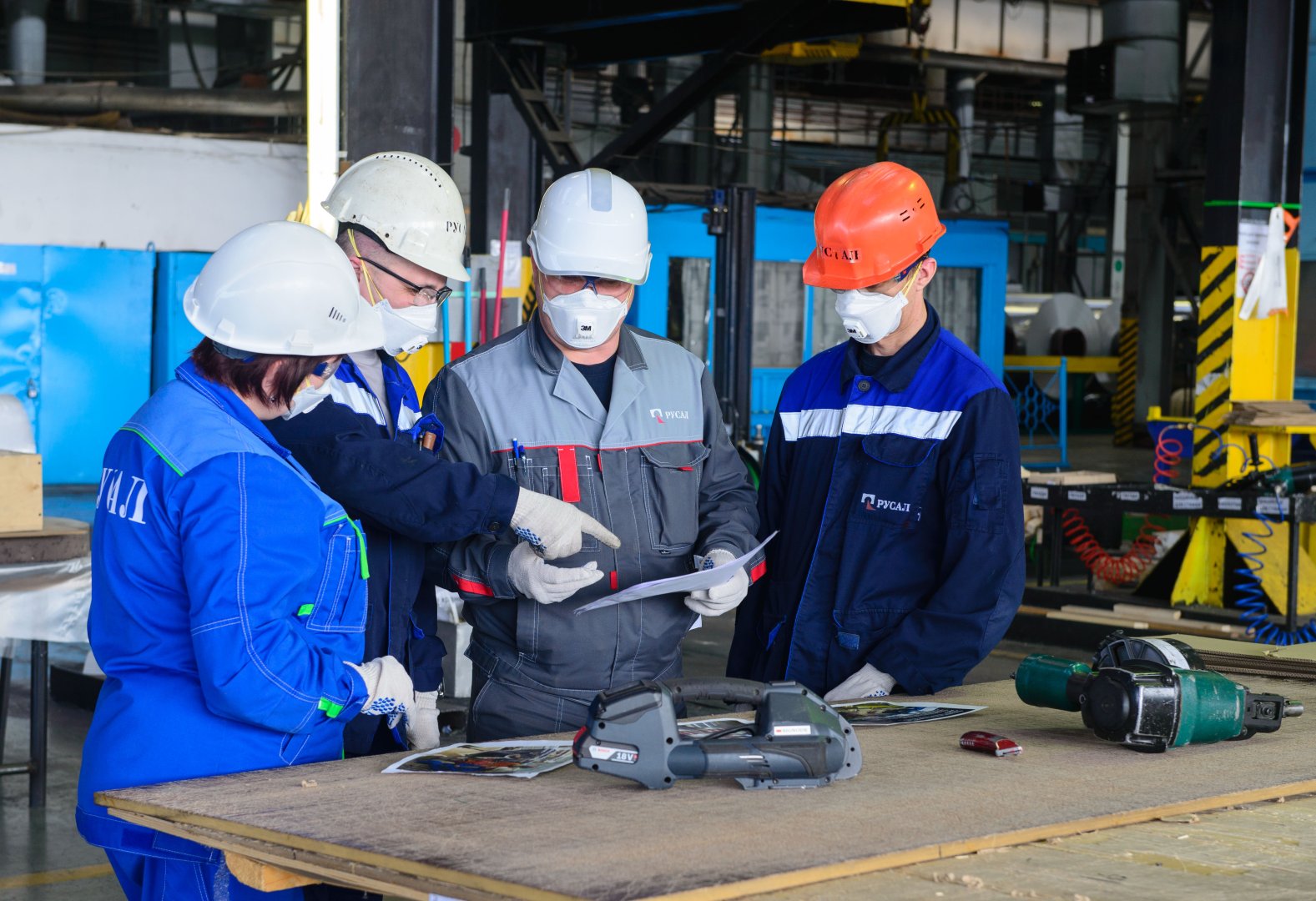
🛡️ Safety: Safety Observation Program (UC RUSAL) | Part 2
In the second part of the UC RUSAL case study, experts share their experience launching a safety observation program. Learn how the Quick Wins initiative helped move away from formal oversight, engage managers, and identify critical risks before launching the main system.

How to become a safe leader-manager?
A manager and a leader are not the same: an order ensures execution, a personal example ensures commitment. The Chief Safety Culture Officer of SNIIP JSC examines five characteristics of an effective leader-manager according to WANO recommendations: from the concept of "high standards" to building leadership potential, with behavioural indicators for each and a roadmap of first steps for those starting from scratch.
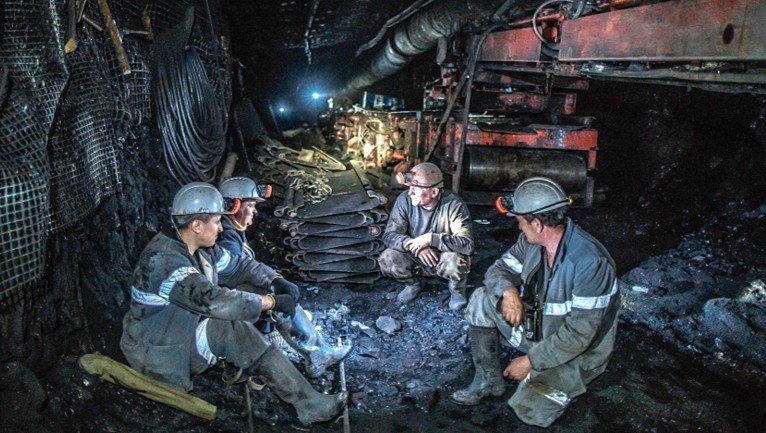
🛡️ Safety: what are you personally ready to do for safety?
Priorities change when production targets are falling behind, and values are compromised when a crisis hits. Why true safety culture begins not with declarations, but with everyone's personal choice — and what you can start doing in your workplace today: personal example, stopping unsafe actions, honest conversation, and searching for solutions instead of culprits.
🛡️ Safety: “Safety: Acting Together” (UC RUSAL) — sharing my experience
Experience in building a corporate industrial safety and occupational health management system in the Downstream Division of UC RUSAL: 11 enterprises, about 8 thousand employees, five years of consistent work — and a 7.3-fold reduction in injury frequency, employee engagement of 42%, and a more than 6-fold increase in hazard elimination.

🛡️ Safety: When Business Becomes a Game of Fire
Occupational health and safety is not just a formality, but the main indicator of business health. Find out why ignoring safety issues puts a company on the brink of an abyss and how true leadership helps build a reliable corporate culture.

🛡️ Safety: Unpacking the System
Over 30+ years of working in HSE, I have seen a wide variety of 'assemblies' of occupational health and safety and industrial safety management systems. How is an effectively functioning mechanism of such a system structured? Let's unpack this box!

🛡️Safety: When Crisis Tests Leaders' Resilience
During periods of economic crisis, companies often try to save on safety, considering it secondary. Why this is a fatal mistake for business and how a leader can maintain the achieved level of safety culture, preserving team trust and operational discipline in storm conditions.

A Leader Who Isn't Afraid to Take Off the Tie and Step Into the Worker's Shoes!
Safety culture does not begin with orders, but with personal example and trust. Find out why it is important for a leader to "step into the worker's shoes", how real on-site experience helps identify hidden risks, and why standards alone are no longer enough for effective occupational health and safety.
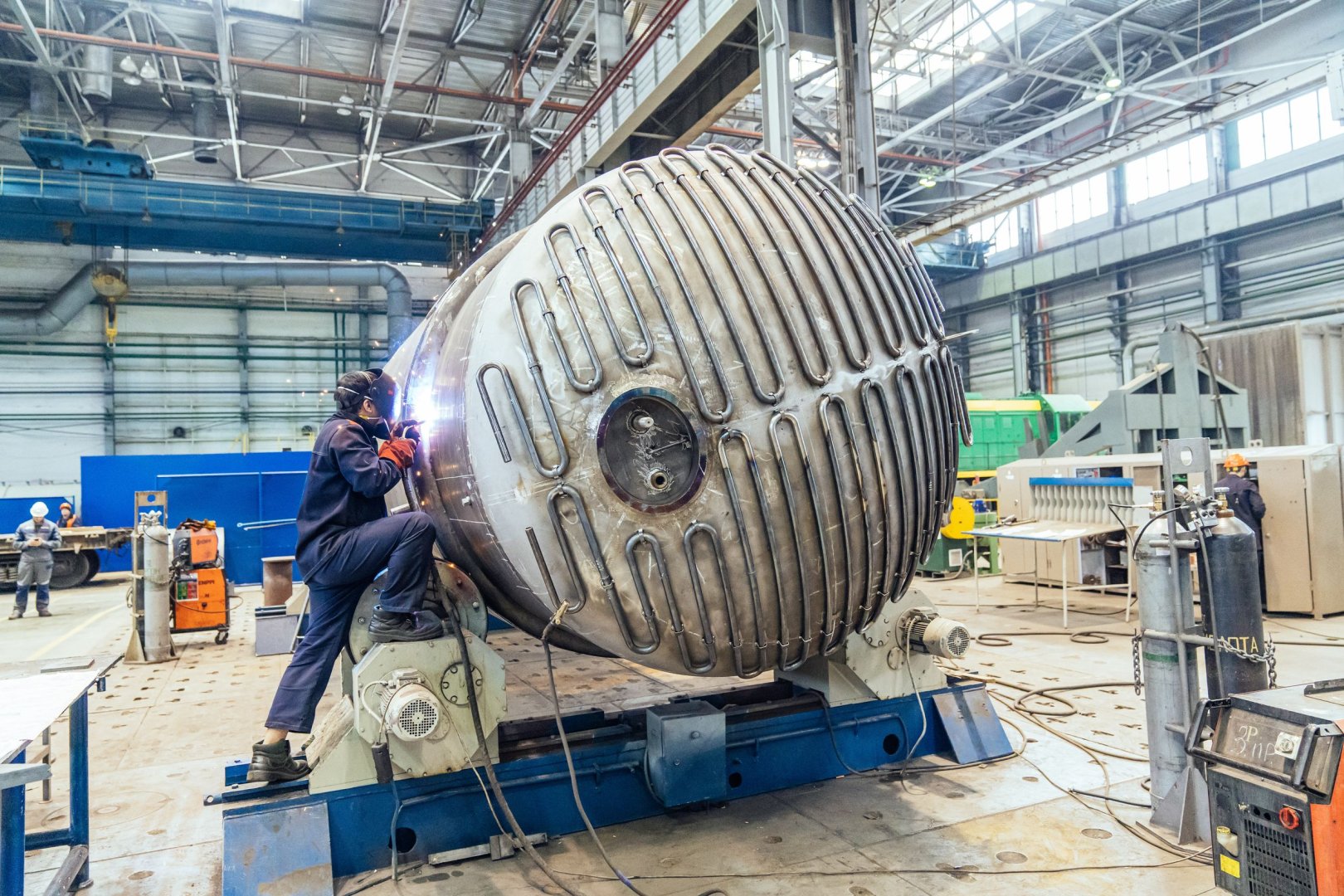
🛡️ Safety: Where Does It Begin and End?
Workplace safety is not a one-time check mark after an audit, but a continuous process of daily decisions made by every employee. Find out why a real safety culture is formed at the very top and how corporate priorities force people to “cut corners”.
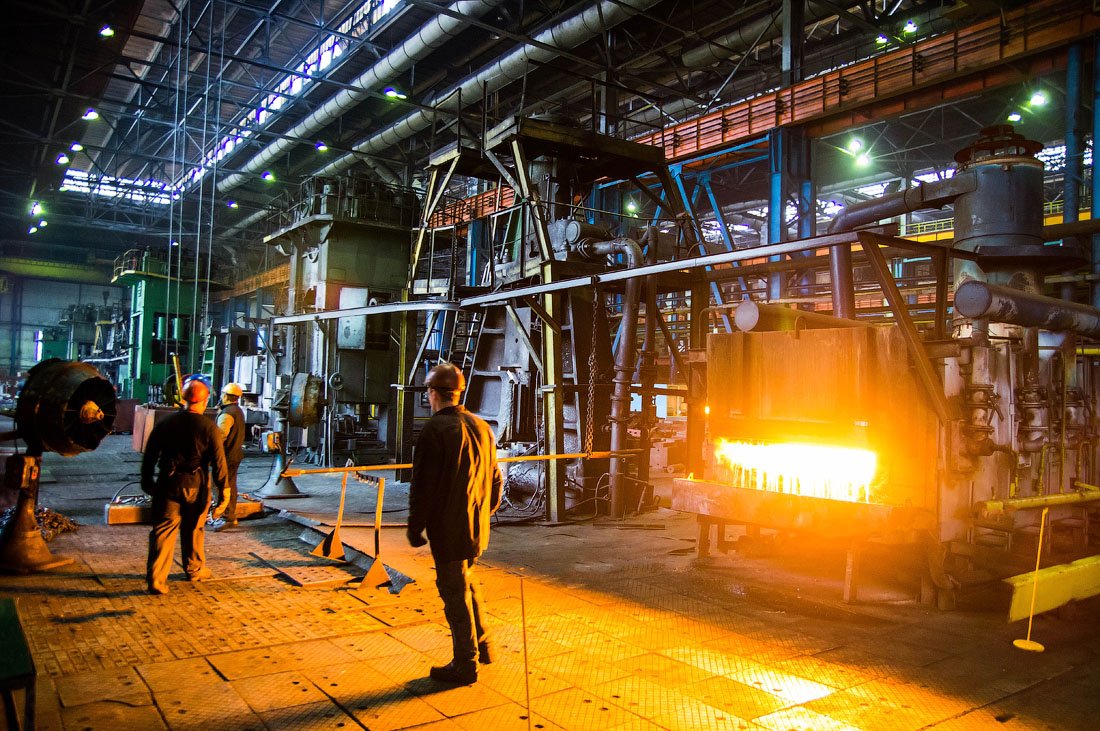
🛡️ Safety: What Our Resumes Don't Say
What do we write on our resume after major projects? Successes, figures, career growth. But the true result of a leader in occupational health and safety is not just achieved KPIs. It is creating a team where everyone feels supported, and most importantly — people who return home alive and healthy every day.
🛡️ Safety: "Smoke on the Water" and How to Clear It
Why in production are reports and KPIs often more important than real safety? We analyze the signs of a corporate culture of simulation and compare it with an 'ownership approach'. Find out how to overcome stagnation on the Bradley Curve and what role leadership and an occupational health and safety specialist play in real change.