#Behavior-based safety
Behavior-Based Safety (BBS). Fundamentally rewiring cognitive mindsets during mundane ops. Using behavioral psychology to instill intrinsic rule-following motivations without relying on wardens.

Behavioral Safety Traps
Why do employees commit unsafe acts even when clear instructions are in place? We break down four key workplace behavioral traps—from fatigue and communication breakdowns to group risk-taking and hasty error correction—and provide tools to prevent them through behavioral safety audits.
Safe Behavior in the Workplace: A Psychologist's Recommendations
How can you increase safety awareness among frontline workers using simple self-check questions? We explore a three-stage psychological support methodology—before starting, at the workstation, and after completing a task—that helps identify risks early and prevent unsafe actions.
My Resource for Improving Safety
A ready-to-use practical exercise for developing critical thinking and a mindful approach to occupational safety. We break down the step-by-step "My Resource in Safety" case study: how to analyze recent violations in three stages, identify their internal and external causes, and outline concrete steps for personal and team growth.
The Psychology of Unsafe Employee Behavior
Why do employees continue to violate occupational safety requirements even under strict supervision? We examine the psychological and social causes of unsafe acts, explain why punishment without root cause analysis harms safety culture, and discuss how to improve human reliability.
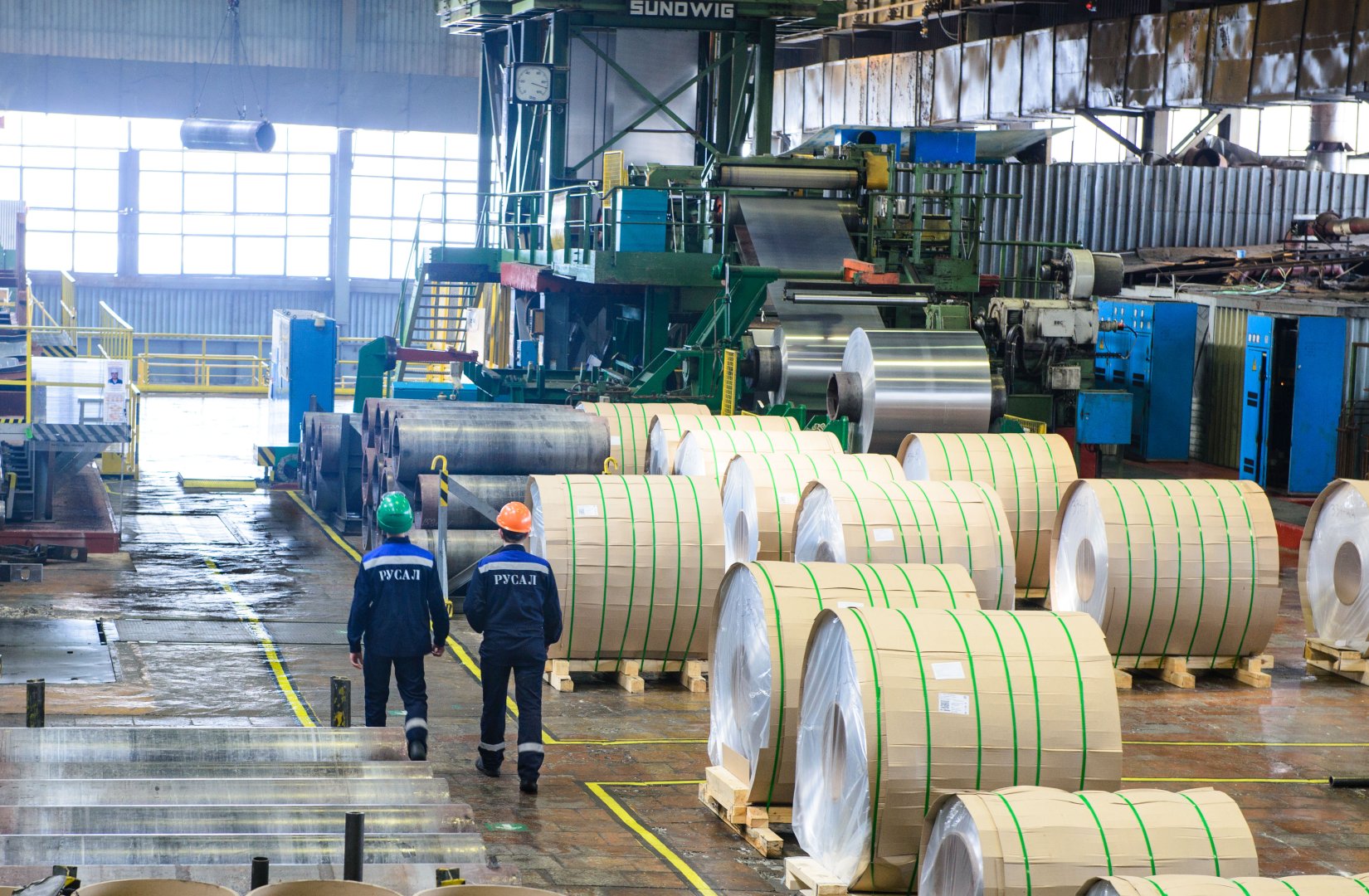
🛡️ Safety: Safety Observation Program (UC RUSAL) | Part 3
How do you design an evolution? How many hazards lurk in your facility's blind spots? How do you assign an owner to every square meter? Line manager autonomy matters. Safety observations: breaking down the mechanics and foundation of a management program.

The Path to Mindful Safety Through Common Sense
Why do Vision Zero concepts at our plants often become a mere formality? We break down the conflict between "paper" safety and real production. Inside: 8 practical steps to adapt top HSE standards to aging infrastructure and worker psychology.

Workplace Safety Culture from School Days
The foundation of a conscious attitude toward workplace safety is laid long before a career begins. Discover why it is important to build a safety culture as early as school, how to integrate it into the curriculum, and what benefits it brings to future professionals and employers.

The Handrail: Your Silent Safety Colleague
A handrail on a staircase is not a formality, but a real barrier between a loss of balance and an injury. We analyze fall statistics, regulatory requirements (OSHA), and the experience of major companies (TotalEnergies, Rosneft, Severstal) in embedding the habit of holding onto the handrail into corporate culture.
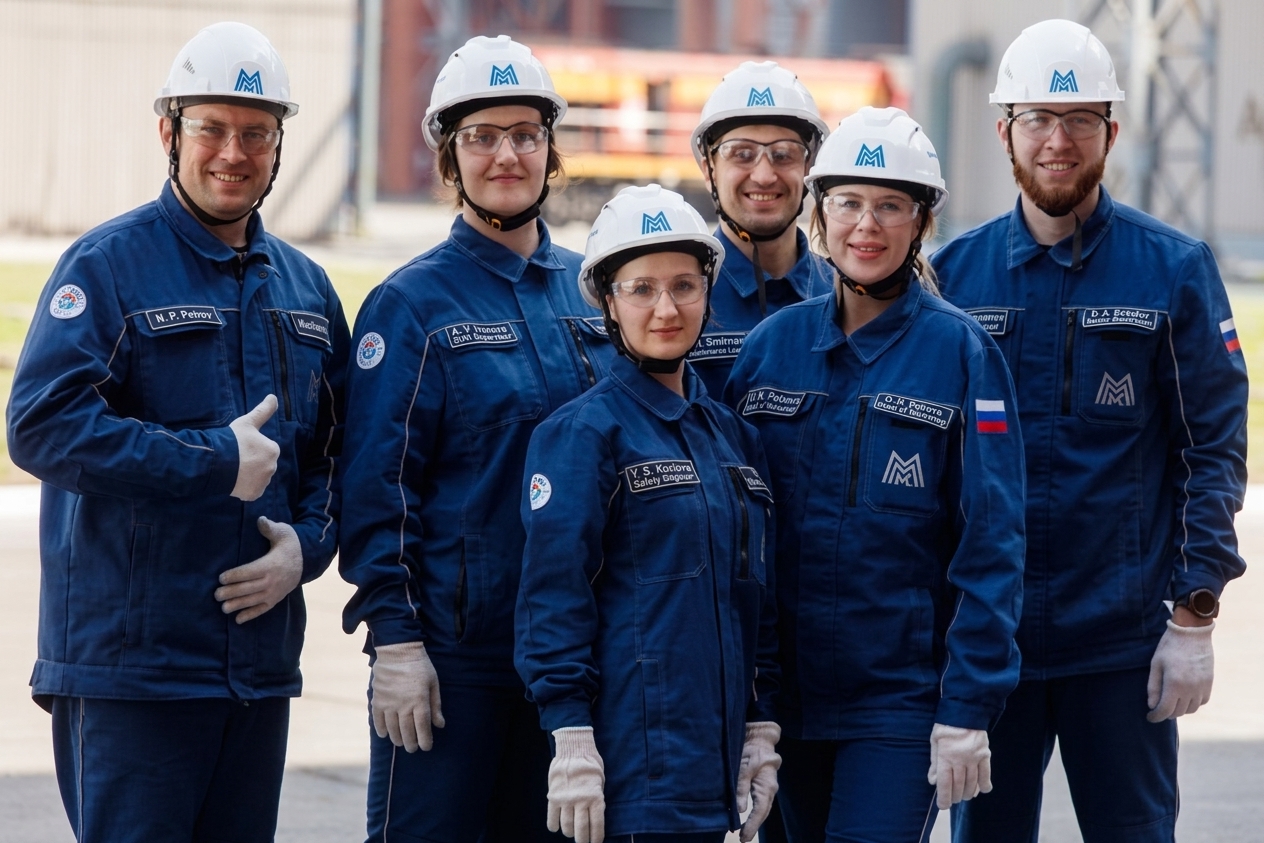
Dynamic Risk Assessment in Metallurgy: Three Rules of Preventive Safety
Find out how dynamic risk assessment (DRA) is changing the approach to safety in metallurgy. Three key rules for continuous workplace threat analysis that help prevent accidents in extreme production environments.

A Leader Who Isn't Afraid to Take Off the Tie and Step Into the Worker's Shoes!
Safety culture does not begin with orders, but with personal example and trust. Find out why it is important for a leader to "step into the worker's shoes", how real on-site experience helps identify hidden risks, and why standards alone are no longer enough for effective occupational health and safety.
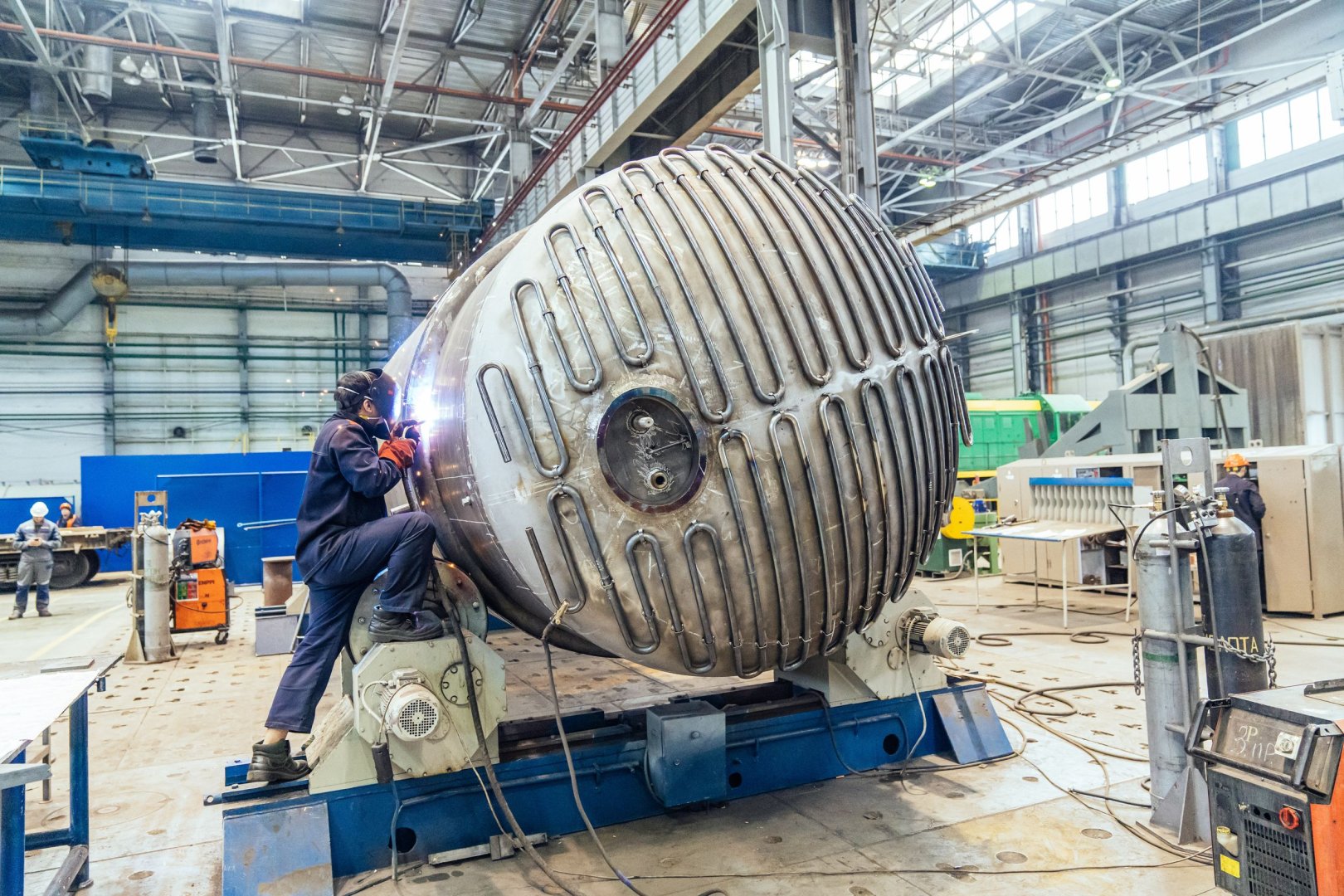
🛡️ Safety: Where Does It Begin and End?
Workplace safety is not a one-time check mark after an audit, but a continuous process of daily decisions made by every employee. Find out why a real safety culture is formed at the very top and how corporate priorities force people to “cut corners”.

Principles of Leadership Development
Implementation of leadership principles and the Human Performance concept into the daily operational activities of an enterprise. The practice includes moving away from a culture of blame in favor of systemic root cause analysis of errors and the formation of psychological safety within the team. The process is aimed at integrating safety standards into the overall business management system and eradicating tolerance for violations to prevent a dangerous "new normal."