#HSE TOP 100
Advanced work practices of finalists and participants in the national HSE TOP 100 rating: from contractor qualification and operational risk management to mentoring and competence development. This section features proven cases from industry leaders demonstrating a systemic approach to enhancing industrial safety, benchmarking, and effective tools for personnel engagement.

Key Directions of EVRAZ HSE Management System Development
Transformation of the HSE management system in a large metallurgical company focusing on employee behavior change and safety culture development. Implementation of micro-injury recording tools, removal of LTIFR KPIs, and use of a digital risk heat map for proactive safety management in production areas.

Risk Identification Tools: Daily Monitoring, Safety Behavioral Audits, Improvement Proposals
A comprehensive risk identification system including daily monitoring, behavioral audits, and collecting improvement proposals. The practice aims to identify unconscious unsafe behavior and engage line managers and workers in the safety process.

Preparing Personnel for Inspections. A Course for Improvement
A systematic approach to preparing personnel for external and internal inspections, including the use of checklists for self-audits, training in behavioral standards when interacting with inspectors, and analyzing the root causes of identified non-conformities. The practice is aimed at reducing employee stress and turning inspections into a tool for process improvement.
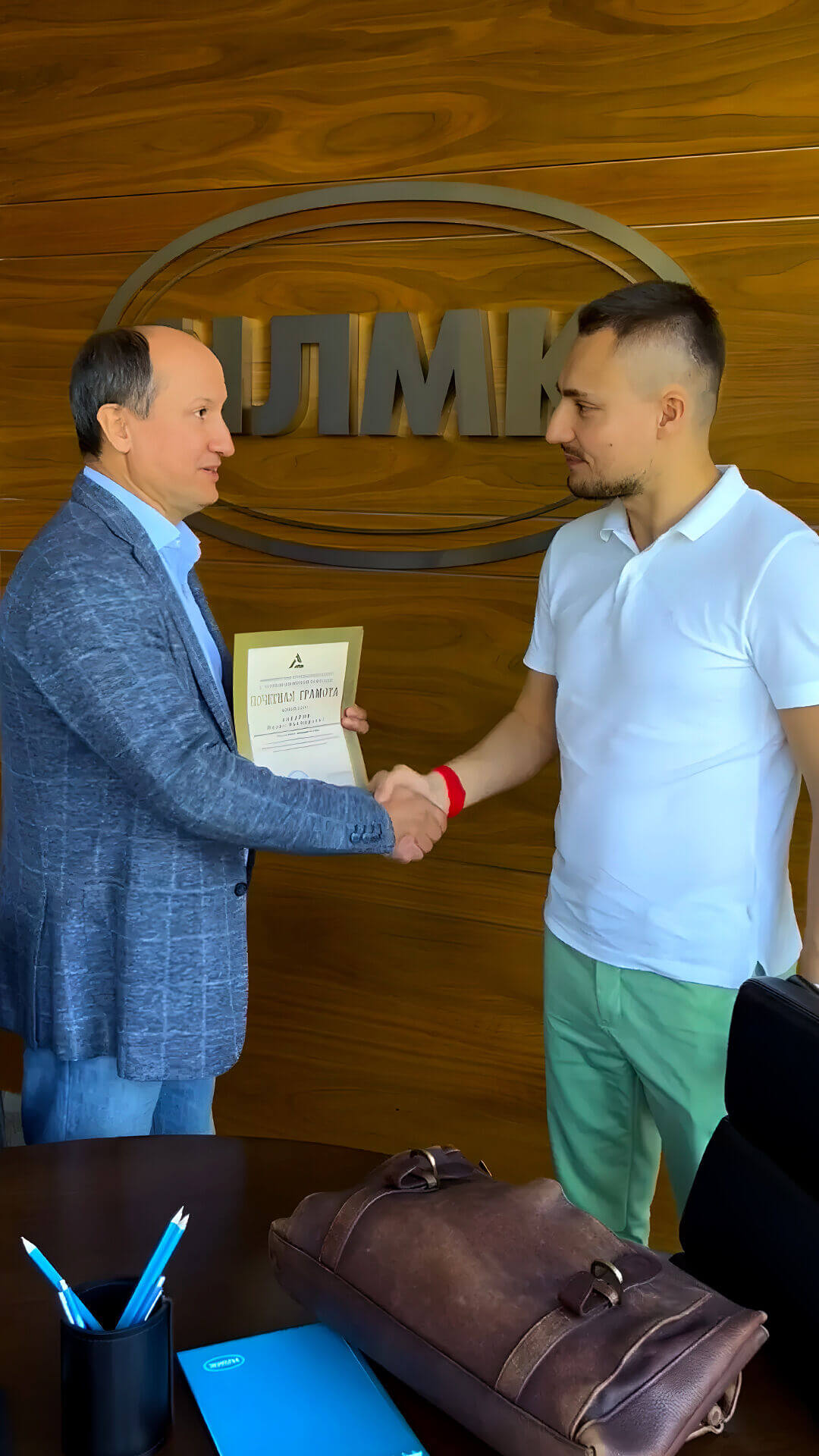
Pavel Zakharov Awarded Certificate of Honor by the Ministry of Industry and Trade of the Russian Federation
Pavel Zakharov, recognized as the best Director of Occupational Health, Safety, and Industrial Safety in 2022 according to the HSE TOP 100 ranking, was awarded a Certificate of Honor by the Ministry of Industry and Trade of the Russian Federation. This award is presented to professionals whose long-term work has saved human lives, and Pavel became the first laureate of the ranking to be awarded the ministerial certificate. In the published video, you can find out how Pavel reacted to the award a...

Practical Skills Development Center: How to Foster Conscious Safety Attitudes Among Production Personnel?
Creation of an internal Practical Skills Development Center (PSDC) for training production personnel. The practice involves abandoning external training centers in favor of developing internal expertise, focusing on conscious safety attitudes, and practicing real skills (PPE usage, first aid, firefighting).

How to Retain Standards After Employee Training? Or Why Don't Employees Apply Acquired Knowledge in Practice?
A system for reinforcing safe behavior skills after training through practical exercises on the shop floor with mentors and regular retention assessment. It includes cascade training from top management to workers and a modular approach from simple to complex.

Developing Line Managers Through Safety Tools
A system for engaging line managers in safety processes through WISE Leadership training, an engagement matrix with activity scoring, and cascade meetings (SIM). The practice includes linking process audit results to the bonus system and using intangible motivation (team-building events, recognition program).

Development and implementation of digital technical control systems to correct dangerous personnel behavior
Implementation of a multi-level digital control system for dangerous personnel behavior at a large industrial enterprise. Use of UAVs, wearable DVRs, and surround view systems to monitor critical risks and create educational video content based on real violations.

Implementation of In-Depth Medical Examinations
Implementation of in-depth medical examinations (IME) to detect hidden cardiovascular risks in employees. The practice includes advanced screening (stress tests, Holter, echocardiography, lipid profile), three-group risk stratification, and pre-shift exams for monitoring the at-risk group.

HSE Incident Investigation: Goals, Objectives, Methods
Implementing a systemic approach to investigating all incidents, including micro-injuries, focusing on finding root causes instead of assigning blame. The practice involves the sequential application of analytical tools (5W1H, 4M analysis, "5 Whys") by cross-functional working groups and mandatory horizontal scaling of corrective measures to adjacent departments.

Effective Tools for Engaging Employees in Creating Comfortable and Safe Working Conditions
Implementation of a continuous improvement system and a corporate portal to engage employees in HSE and healthy lifestyle topics. The practice includes a transparent idea submission algorithm, expert council evaluation with subsequent financial rewards, and regular sharing of best solutions between departments.
5S as a Tool for Organizing a Safe Workspace
The article discusses the use of the 5S system as a tool for creating a safe and efficient working environment, using the practical experience of implementation since April 2021 as an example. The author dispels common myths about the methodology and explains how training through audits, practical tasks, and visual examples helps minimize risks in the field of occupational health and safety. The material also examines the five steps of the system, the main difficulties during its launch, and the...