#Internal trainers
Institute of internal HSE trainers scaling company knowledge. Transferring expertise peer-to-peer from shift managers to workers. Selection and motivation of internal coaches who communicate in 'human language' better than outsiders.
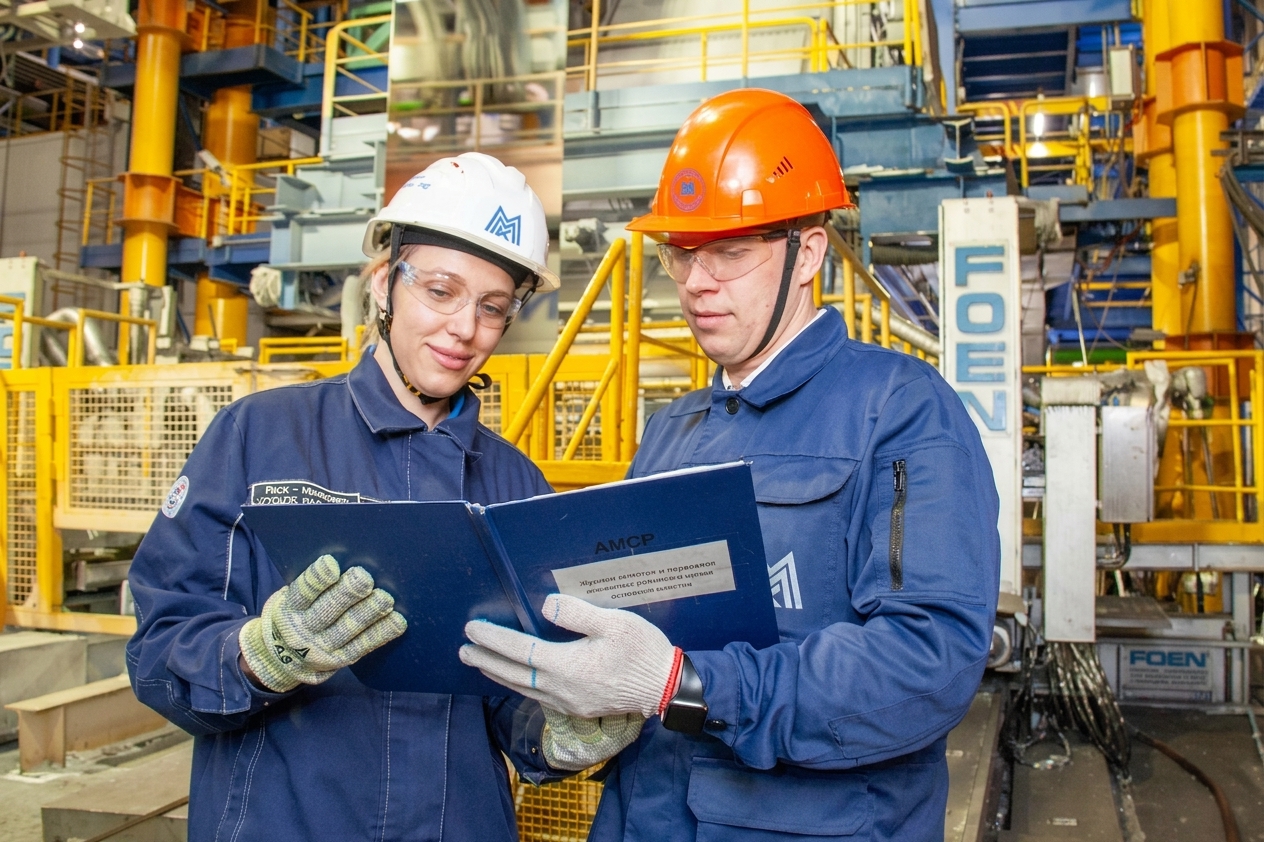
Guardians of Corporate DNA: Why Internal Safety Trainers Are More Effective Than External Experts
Tired of check-the-box briefings? Find out why internal safety trainers are more effective than invited experts. They speak the same language as the team, know real production risks, and turn boring rules into conscious habits, shaping a living safety culture.

How to Establish a Technical Training Center: Lessons Learned
Creation of corporate technical training centers with a focus on practical training and the rejection of the academic approach. Educational programs are formed based on incident investigation reports, and active production staff are involved as instructors. The effectiveness of the system is measured by the trend of reducing production incidents after at least 60% of the target audience has completed the training.

Developing an Internal Trainer Institute. How Can a Trainer Become a Heard Voice of Safety?
Creating and scaling an internal safety culture trainer institute at a large industrial enterprise. The practice includes multi-stage selection, trainer preparation, on-site internships, and the use of artificial intelligence (electronic badges) for objective assessment of training quality.

Safety Starts With You: School of Lead Trainers
Creation and development of an internal industrial safety trainer academy from among company employees. Trainers undergo external certification, are assigned to specific production units, and train personnel from workers to top managers, as well as contractor employees.

Internal First Aid School Management Model
Creating an internal first aid school with multi-stage training for instructors from current employees. Implementing a hybrid training format (online theory and in-person practice with situational tasks), as well as a communication system to increase attendance to 95%.
Internal First Aid School Management Model
Creation of an internal First Aid School with a multi-stage training system for internal trainers. A training matrix was developed, including online courses, practical sessions on basic skills, situational tasks, and regular refresh training for different target audiences.

Safety Leadership Visits: A Tool to Increase Management Engagement in Safety Issues
Implementation of safety leadership visits (SLV) for top management to demonstrate safety commitment and build open dialogue with employees. The practice includes integrating leadership assessment into HR processes, training internal trainers, and extending requirements to contractors.

Creation and Development of the Institute of Internal Safety Culture Trainers
Creation of a dedicated institute of internal safety culture trainers, relieved of other duties. Transition from formal briefings to practical mindfulness training (dynamic risk assessment) and behavioral safety audits without strict schedules.

The Role of the Educational and Methodological Component in Safety Training
Creating a corporate technical HSE training center focusing on the educational methodology and practical skill development. Implementing unified teaching standards ("karaoke programs") by engaging internal experts (foremen, mechanics) as paid trainers.
Creation and Management of Technical HSE Training at PJSC SIBUR Holding
Creation of a corporate practical HSE training center with the separation of mandatory and skills-based training. Designing training grounds considering real production specifics and introducing an institute of internal "playing" trainers from among the production personnel.



Experience in Implementing HSE Educational Products During the Pandemic
Emergency transfer of face-to-face HSE training programs to a distance format using digital platforms. Implementation of the "competency barrier" concept for admitting contractors to high-risk work based on knowledge testing and integration with electronic work permits.