Guardians of Corporate DNA: Why Internal Safety Trainers Are More Effective Than External Experts
Occupational safety is often perceived by employees as a boring set of formal norms, rules, and labor safety instructions. Corporate regulations gather dust on shelves for years, and standard induction briefings are conducted as a mere "box-ticking" exercise.
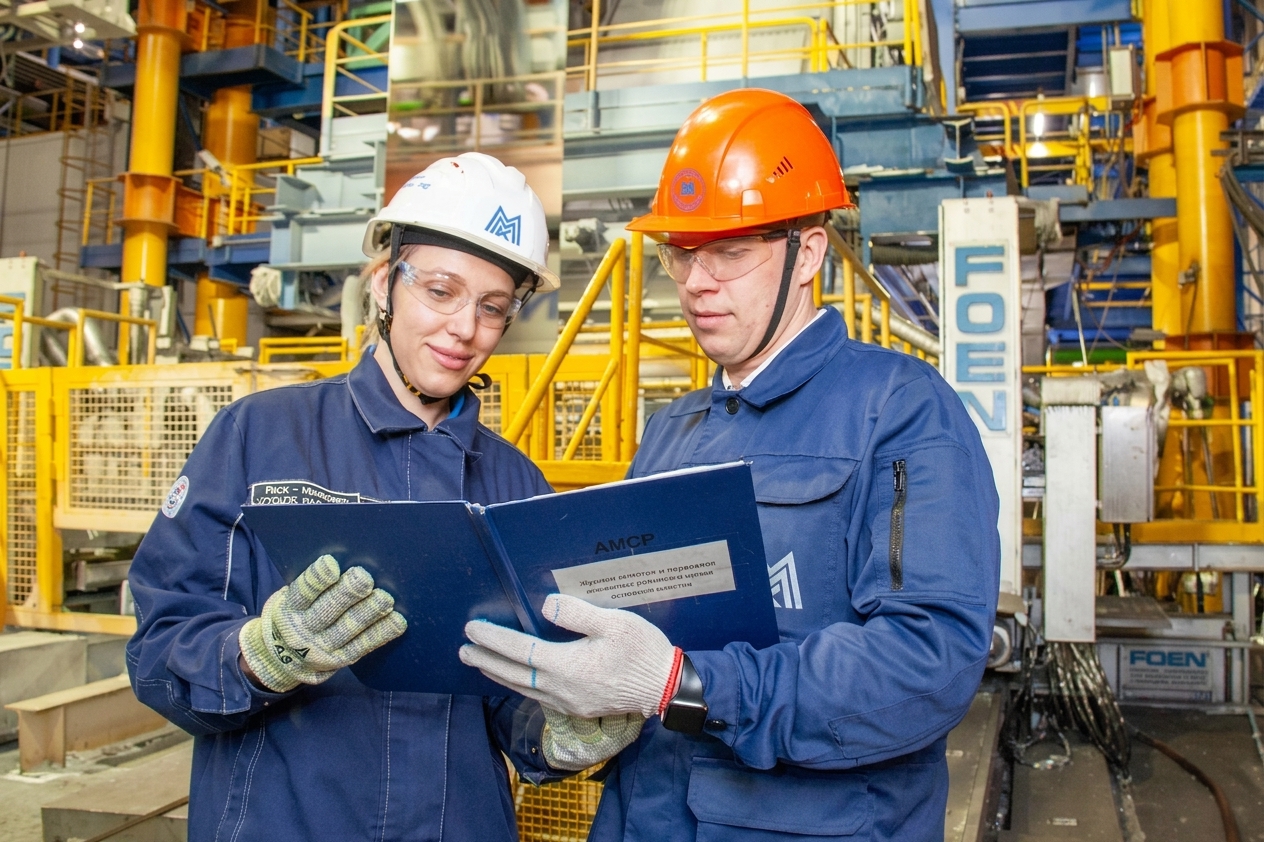
However, in companies with a high level of safety culture, this approach has long since changed. Internal trainers — staff employees who teach colleagues a conscious attitude toward risks — are becoming the main driver of change.
Why do you also need an internal trainer?
Undoubtedly, an external lecturer knows the theory and legislative frameworks. But only the internal trainer knows exactly where workers trip on site, which machine fails most often, and why employees neglect safety goggles. They speak the same language as the team and adapt abstract rules to specific workplaces.
A high level of trust!
People are reluctant to accept criticism and remarks from guest consultants. There is always more trust in a colleague who has personally traveled the path from novice to expert within the company. An internal trainer is not a punishing inspector, but a mentor who is sincerely interested in ensuring that every colleague returns home healthy.
Speed and flexibility!
If equipment changes in production or a new occupational risk is identified, the company doesn't need to spend weeks searching for a contractor and coordinating a training program. An internal trainer can adjust the material in a single day and conduct targeted briefings for a specific crew right at the workplace.
Building a living culture!
Training conducted by one's own employees transforms safety from a management directive into a shared value. Trainers become ambassadors of safe behavior in break rooms and at meetings. They notice dangerous actions before they lead to minor injuries or accidents.
Investing in the development of internal safety trainers is not just about saving the budget on external providers. It is a strategic step that transforms formal rules into real employee habits, saving lives and preserving company resources.
Comments 2