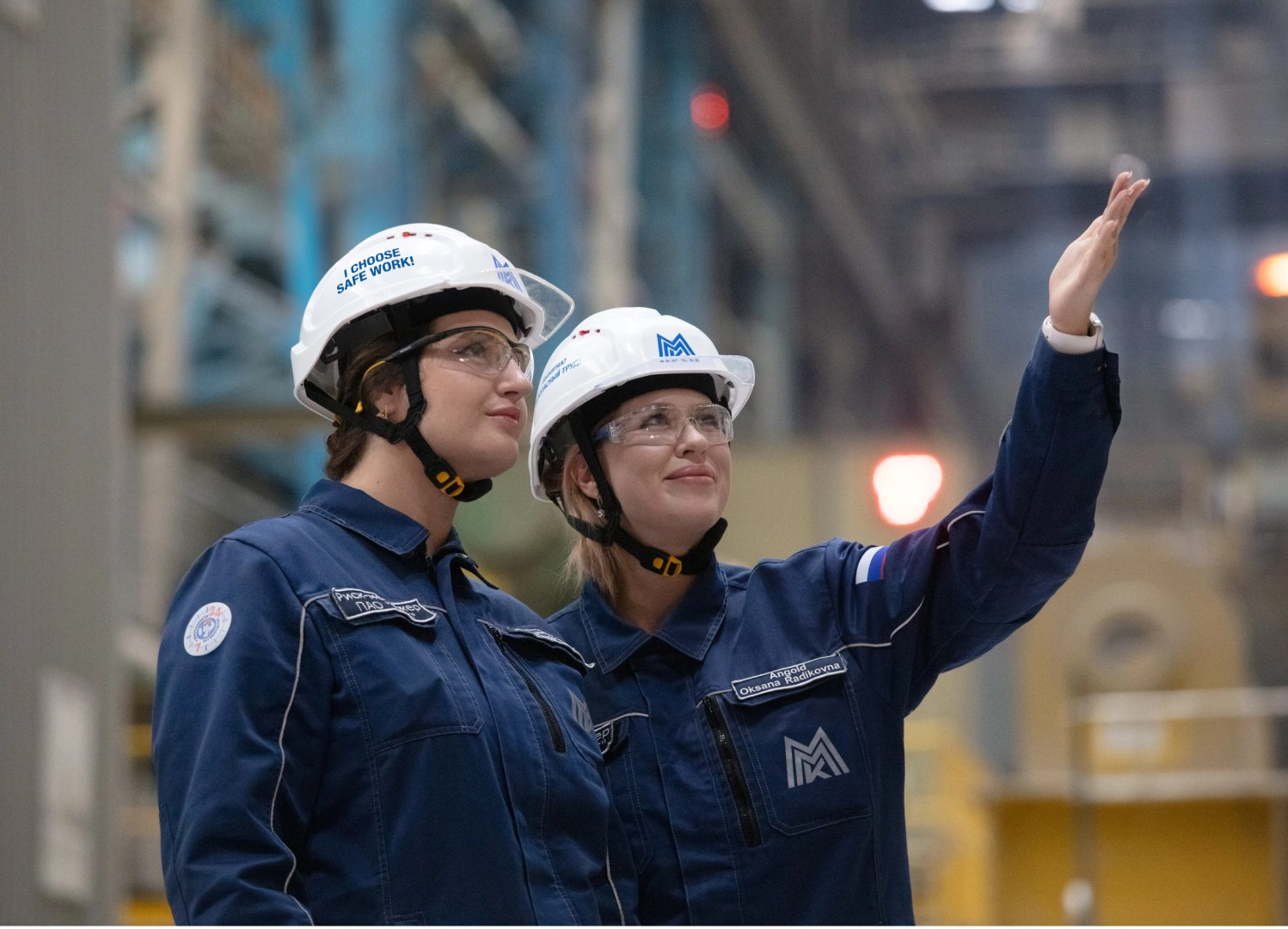
How a Safety Culture Coach Rewires the Industrial Mindset
When we hear the phrase "safety briefing," a bleak picture usually comes to mind: a stuffy classroom, the monotone voice of an HSE officer reading paragraphs from a yellowed manual, and a stack of sign-off sheets that just need a quick signature. Yet the harsh realities of modern industry—from offshore oil and gas platforms to high-tech assembly lines—prove that box-ticking kills. Literally.
Traditional compliance-focused inspectors are being replaced by a new breed of professionals: industrial safety and safety culture coaches (HSE coaches). They are more than just instructors. They act as corporate psychologists, facilitators, coaches, and drivers of deep cultural transformation. Instead of forcing workers to memorize rules, they change how people value their own lives and the safety of those around them.
Let’s take a closer look at how this approach works, what unique competencies a professional HSE coach brings to the table, and why integrating them into operations is the smartest investment any forward-thinking business can make.
The Philosophical Shift: From "HSE 1.0" to "Safety Culture 2.0"
To understand the value of a safety coach, we must first see the difference between the old and new approaches. A traditional HSE specialist records violations after the fact. A safety culture coach builds an environment where violations become unthinkable in the first place. They translate the dry language of regulations into the universal language of human values: family, health, future, and stability. Here are the 5 key advantages and "superpowers" of a professional HSE coach:
1. Building "Conscious Safety."
The hardest challenge on the shop floor is overcoming false bravado and dangerous habits summed up by the phrase, "I’ve done it this way for thirty years and nothing has ever happened." A coach works directly with destructive mindsets. Dismantling cognitive biases: Through hands-on exercises and case studies, the coach demonstrates how routine blinds our brains to risk and creates an illusion of invulnerability. Introducing the "Brother’s Keeper" principle: They teach workers never to walk past a colleague’s unsafe behavior, shifting the perception from "snitching" to genuine care and mutual support. Empowering Stop Work Authority: A professional coach ensures that every worker has the psychological confidence to say "STOP" to an operation when facing an immediate hazard, without fearing management retaliation.
2. Interactive Methods Instead of "Sleep-Inducing Lectures."
Adults do not respond well to being lectured. A professional coach is a master of adult learning (andragogy) with a toolkit far removed from boring slide decks. "Black Box" incident analysis: Instead of abstract scenarios, the coach takes a real industry incident and guides the group through an investigation to uncover root causes—from worker fatigue to systemic logistics failures. Live Behavioral Safety Audits (BSA): The coach goes out onto the shop floor alongside frontline supervisors to conduct real-time observations, showing how an open, constructive dialogue with a worker changes behavior much faster than issuing a fine.
3. Transforming Executive Leadership.
Safety culture is dead on arrival if the CEO demands strict compliance yet walks onto the shop floor without a hard hat or demands "hitting targets at all costs" while ignoring risks. The coach acts as a firm yet constructive mirror for leadership:
- Coaching executives and frontline supervisors in visible safety leadership.
- Helping integrate "Safety Moments" into every operational meeting so they feel meaningful rather than a hollow formality.
- Teaching managers how to respond to bad news constructively: when a worker reports a hazard, they should be recognized and rewarded, not punished for "slowing down production."
4. Human Factors Engineering.
The statistics are unforgiving: over 80% of industrial incidents are attributed to human error. However, a skilled coach understands that "human error" is not the root cause, but a symptom. They equip employees with practical tools for self-regulation:
- Tools to combat rushing and fatigue: Self-check techniques (such as the "Take 5" or "Think Before You Act" approach).
- Stress and focus management: How to maintain situational awareness at the end of a 12-hour shift or in extreme weather conditions.
- Cognitive ergonomics: Training shift supervisors to spot hidden signs of burnout or depression in their team members before they lead to tragedy.
5. Direct Financial Return: Safety as an Investment, Not a Cost.
CFOs often view the HSE department purely as a budget sinkhole. A safety culture coach proves otherwise, delivering measurable impact directly to the company’s P&L statement:
- Drastic reduction in LTIFR metrics: Fewer injuries mean lower compensation payouts, legal fees, and insurance premiums.
- Elimination of hidden costs: Every incident triggers equipment downtime, missed contract deadlines, reputational damage, and recruitment expenses for replacement staff. An effective coach pays for their annual cost by preventing just one major incident.
- Higher productivity: International studies show that at facilities with a strong safety culture—where employees feel protected and see genuine care from the company—workforce engagement and Overall Equipment Effectiveness (OEE) are 15–20% higher.
Conclusion: The Ultimate Measure of an HSE Coach’s Success
How do you know when a safety coach has truly delivered 100%? People’s behavior changes when no one is watching.
Before: A worker pulls down their safety glasses and clips on their harness lanyard only when an inspector’s white hard hat appears on the horizon.
After: A worker halts the job, installs a guardrail, inspects their tools, and reminds a coworker to wear earplugs while deep inside a cable tunnel where no supervisor will ever check on them—because they have internalized these values and take ownership of their own safety.
Investing in a safety culture coach is not about chasing trends or buying framed certificates for the wall. It is a strategic decision by a business leader who understands a fundamental truth: a company’s most valuable asset walks out the gate on two feet at the end of every shift—and must return home safe and sound.