#Human factor
Error governance and diluting the human factor over operations. Installing barriers offsetting cognitive illusions or lethargy. Features ergonomic error-proofing (Poka-yoke) wiping away the desire to cut corners.

Behavioral Safety Traps
Why do employees commit unsafe acts even when clear instructions are in place? We break down four key workplace behavioral traps—from fatigue and communication breakdowns to group risk-taking and hasty error correction—and provide tools to prevent them through behavioral safety audits.
Safe Behavior in the Workplace: A Psychologist's Recommendations
How can you increase safety awareness among frontline workers using simple self-check questions? We explore a three-stage psychological support methodology—before starting, at the workstation, and after completing a task—that helps identify risks early and prevent unsafe actions.

Why Your Fire Alarm "Lies" and How Much a False Alarm Costs Your Business
Frequent false fire alarms lead to production downtime, employee alarm fatigue, and the dangerous disabling of safety automation. We break down SP 484 requirements, the root causes of detector failures, a formula for calculating hidden financial losses, and a step-by-step action plan to protect your facility.
My Resource for Improving Safety
A ready-to-use practical exercise for developing critical thinking and a mindful approach to occupational safety. We break down the step-by-step "My Resource in Safety" case study: how to analyze recent violations in three stages, identify their internal and external causes, and outline concrete steps for personal and team growth.
The Psychology of Unsafe Employee Behavior
Why do employees continue to violate occupational safety requirements even under strict supervision? We examine the psychological and social causes of unsafe acts, explain why punishment without root cause analysis harms safety culture, and discuss how to improve human reliability.
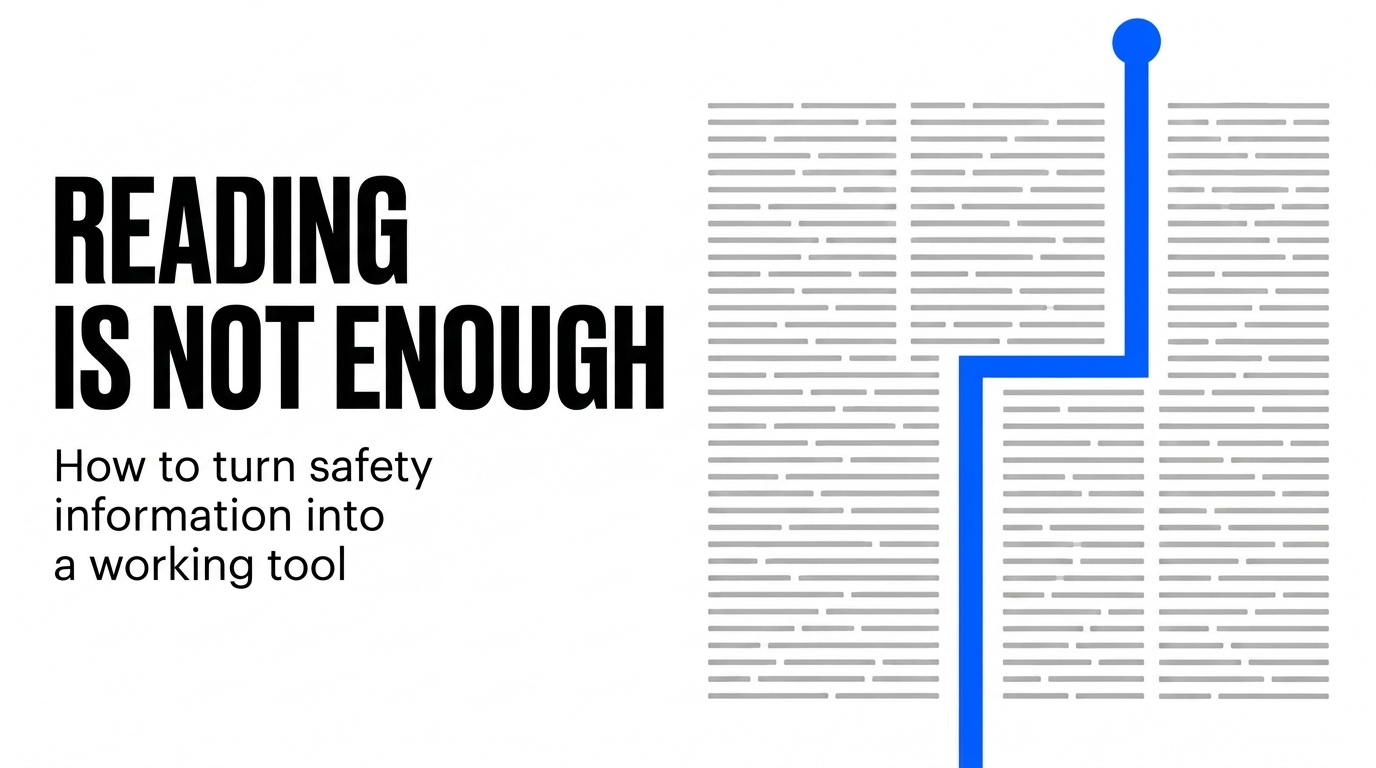
Reading Is Not Enough: How to Turn Safety Information into a Practical Tool
Having detailed HSE instructions does not guarantee that an employee will act safely in a real-world situation. We explore how to reduce cognitive load and turn regulations into an understandable tool for workers.

The Path to Mindful Safety Through Common Sense
Why do Vision Zero concepts at our plants often become a mere formality? We break down the conflict between "paper" safety and real production. Inside: 8 practical steps to adapt top HSE standards to aging infrastructure and worker psychology.

How to become a safe leader-manager?
A manager and a leader are not the same: an order ensures execution, a personal example ensures commitment. The Chief Safety Culture Officer of SNIIP JSC examines five characteristics of an effective leader-manager according to WANO recommendations: from the concept of "high standards" to building leadership potential, with behavioural indicators for each and a roadmap of first steps for those starting from scratch.

Why Safety Training Does Not Always Lead to Safe Behavior
A perfect safety test score does not guarantee that a worker will do the right thing on site. We examine why formal knowledge often fails in real conditions and how to reshape training so employees can recognize hazards and act safely.

When Information Becomes Overwhelming: How We Studied the Employee Journey to Independent Work Authorization
We walked the newcomer's path — from hiring to work authorization — and studied the full scope of briefings. Why 2,000 pages of requirements do not guarantee safety, how cognitive overload kills attention, and why training needs to be built around real situations, not regulations.
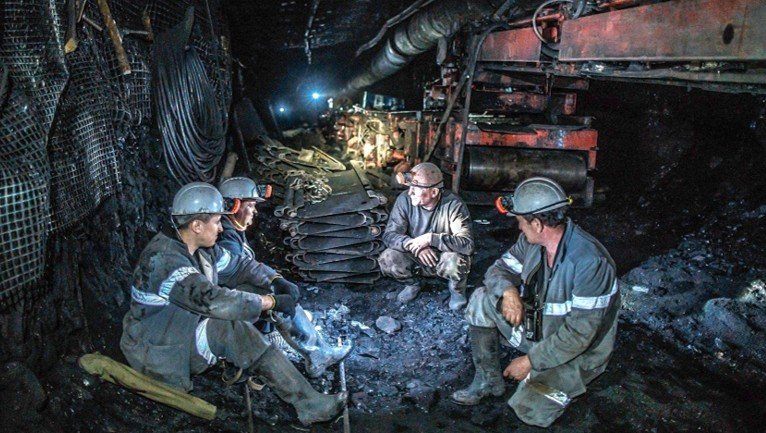
🛡️ Safety: what are you personally ready to do for safety?
Priorities change when production targets are falling behind, and values are compromised when a crisis hits. Why true safety culture begins not with declarations, but with everyone's personal choice — and what you can start doing in your workplace today: personal example, stopping unsafe actions, honest conversation, and searching for solutions instead of culprits.

The Handrail: Your Silent Safety Colleague
A handrail on a staircase is not a formality, but a real barrier between a loss of balance and an injury. We analyze fall statistics, regulatory requirements (OSHA), and the experience of major companies (TotalEnergies, Rosneft, Severstal) in embedding the habit of holding onto the handrail into corporate culture.