Not By Oil Alone
In the field of environmental incidents, events related to the oil and gas industry are highlighted most vividly and frequently. I get the feeling that we have even stopped hearing about the potential environmental hazards of almost any human economic activity.
It was interesting to explore this topic to find the most striking events of the last century.
I present to your attention my personal top rating. We must always remember that the environment is an important aspect of occupational safety and human life, regardless of the industry.
-
Bhopal disaster (1984, India): A methyl isocyanate leak from the Union Carbide plant led to the instant death of thousands of people. Consequences: soil and water pollution, chronic diseases. Remediation is ongoing, and the ecosystem has not recovered.
-
Chernobyl disaster (1986, Ukraine): An explosion at the Chernobyl Nuclear Power Plant caused radioactive contamination of vast territories. Consequences: cancer incidence, mutations in animals and plants. Remediation: construction of a shelter, decontamination of zones. The ecosystem is partially recovering, but with anomalies.
-
Drying up of the Aral Sea (since the 1960s, Kazakhstan/Uzbekistan): Intensive water withdrawal for irrigation led to a catastrophic drop in the sea level. Consequences: climate change, dust storms, deterioration of public health. Remediation: attempts to restore river flow, creation of local reservoirs. The ecosystem is practically lost.
-
Acid rain (since the 1970s, North America/Europe): Sulfur and nitrogen emissions into the atmosphere led to the acidification of precipitation. Consequences: death of forests and lakes, damage to buildings. Remediation: reduction of industrial emissions. Ecosystems are partially recovering.
-
Ajka alumina plant spill (2010, Hungary): A dam failure at a red mud reservoir caused flooding with toxic waste. Consequences: pollution of water bodies, death of flora and fauna. Remediation: neutralization of the sludge, cleanup of territories. Recovery is proceeding slowly.
-
Fukushima disaster (2011, Japan): An earthquake and tsunami led to an accident at the nuclear power plant. Consequences: radioactive contamination of water and soil. Remediation: decontamination, creation of protective structures. The ecosystem is slowly recovering, but with an elevated radiation background.
-
Pesticide plant leak (2014, West Virginia, USA): A chemical spilled into the Elk River, causing drinking water contamination. Consequences: disruption of water supply, poisoning of people. Remediation: river cleanup, tighter control over chemical plants. The ecosystem recovered quickly.
-
Brumadinho dam disaster (2019, Brazil): The collapse of an iron ore tailings dam led to a massive mudslide and contamination of the Paraopeba River. Consequences: loss of human life and wildlife, water pollution. Remediation: river cleanup and territory restoration. The ecosystem is in the process of recovery.
-
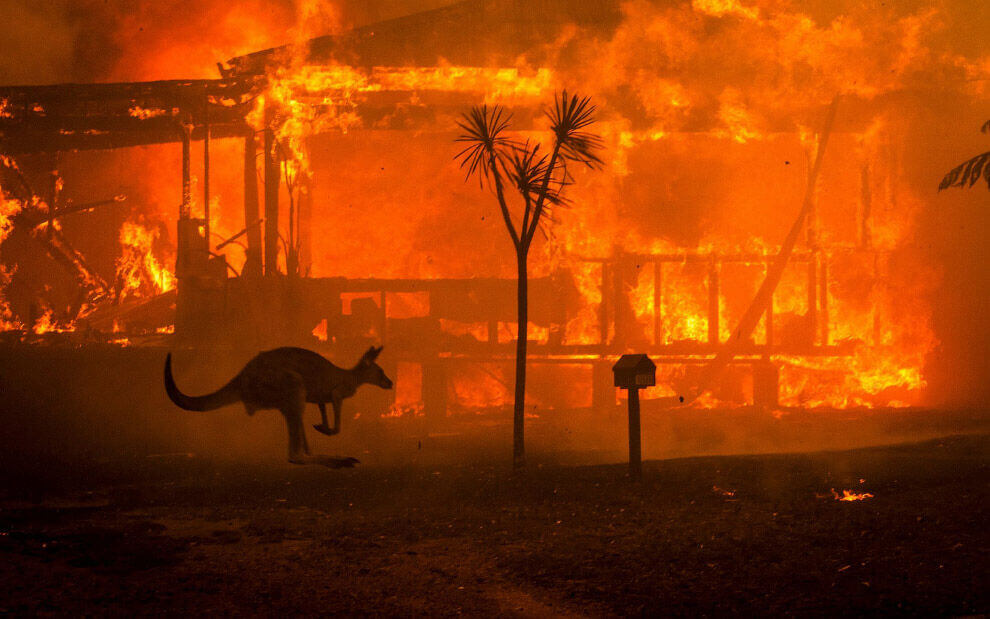
Australian bushfires (2019-2020): Unprecedented fires destroyed vast territories. Consequences: death of billions of animals, air pollution, climate change. Remediation: long-term restoration of forests and animal populations. The ecosystem is slowly recovering.
As we can see, the environment, occupational safety, and industrial safety are particularly united in the main thing: preventing is much more important and cheaper than eliminating the consequences. If they can even be eliminated at all.
Major incidents have different timeframes regarding the subsequent duration of ecosystem recovery, but sometimes the processes become practically irreversible.
I wish you all success in your endeavors, and may a safe environment be our eternal companion.
May the force be with you)