#HSE TOP 100
Advanced work practices of finalists and participants in the national HSE TOP 100 rating: from contractor qualification and operational risk management to mentoring and competence development. This section features proven cases from industry leaders demonstrating a systemic approach to enhancing industrial safety, benchmarking, and effective tools for personnel engagement.

HSE Communication: Reaching the Mind and Heart
A comprehensive approach to building HSE communication using various channels and formats. Practices include internal blogs, visual materials, interactive knowledge days, contractor forums, and unconventional engagement methods like morning greetings and children's days.

Management Tools for Occupational Noise Exposure Risks in the Workplace
The article is dedicated to practical experience in applying occupational risk management tools for employees working in high noise environments. Based on a comparison of actual morbidity with predictive models, the author describes solutions for taking into account prior noise work experience, conducting audiological monitoring, and building personal databases. The implementation of such an approach makes it possible to accumulate actual targeted data for developing effective preventive measure...

HSE Training: How to Move Away from Formalism, Incompetence, and Influence Awareness?
Transformation of the corporate HSE and industrial safety training system, shifting from a formal approach to a "flipped classroom" format. Implementation of short video lectures for independent theory study and the use of face-to-face or online trainings for practical skills, including virtual risk assessment using 360-degree video. Application of emotional context and analysis of real incidents to build a conscious attitude towards safety.
Assessment of Noise Exposure Levels in the Workplace
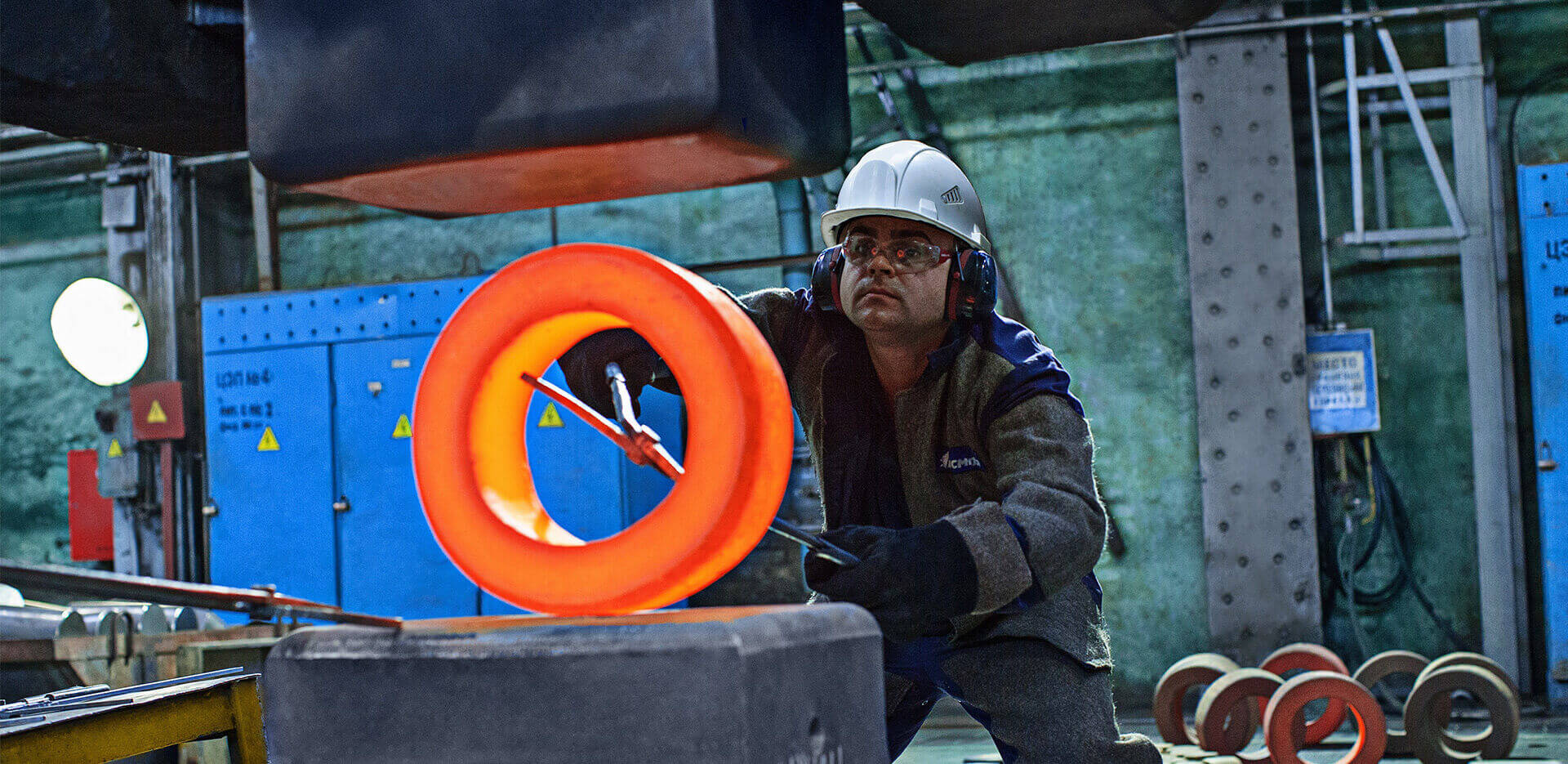
The article is devoted to the problem of assessing and monitoring workplace noise exposure levels based on materials from SOUT (Special Assessment of Working Conditions) and industrial control. The author examines the reasons for the low repeatability of measurement results and substantiates the advantages of using research strategies based on job function or the working day. The material shows how the use of personal monitoring devices helps obtain reliable data on noise load for effective mana...

Effective Occupational Health and Safety Management System
The author, with 20 years of experience in the safety field, shares practical experience in building an effective occupational health and safety management system at an enterprise. The article examines proactive and reactive approaches to risk monitoring, methods for assessing the state of the organization, and tools for engaging management and workers. The material explains how the sensible implementation of the system allows reducing injuries, protecting the business from fines, and obtaining...

Features of the Environmental Impact Risk Management System at VSMPO-AVISMA Corporation PJSC
Implementation of a combined environmental risk management system at a large industrial enterprise. Using the acceptable risk concept for mass events (over 4,000 risks) and minimal risk for strategic threats, applying individual technological solutions (e.g., transition to titanium laser cutting).

HSE Team Development and Team Building
Development and implementation of the annual Safety Rodeo gamification motivational program to unite a distributed HSE team. The program includes 9 stages aimed at sharing best practices, developing competencies, and project work, as well as automating safety data collection using Excel and Power BI.

Checklists: Simple, Prompt, Informative
Implementation of an operational safety control system using checklists by work type (fire, gas, height). The tool unifies requirements for employees and contractors, enabling quick inspections (up to 10 mins) and recording violation causes for analysis.

HSE Entrance Testing Methodology for Foreign Citizens
Development and implementation of a 90-minute HSE entrance testing methodology for foreign workers (citizens of Uzbekistan) in the construction industry. The methodology includes 5 blocks: Schubert test for risk readiness, checking basic terms, "Where is the Logic?" formats, risk assessment by photo, and analysis of violations in movies ("Freeze Frame"). Based on the results, individual development plans are formed and informal leaders are identified to manage safety in teams.


The Role of Human Psychological and Physiological Aspects in the Culture of Change for Safety Assurance
Applying emotional intelligence tools and considering the psychophysiological characteristics of personnel to create a favorable environment and develop a culture of safe behavior. The practice includes developing skills in recognizing emotions, managing stress, and building communication based on the basic needs and values of employees.

How to Organize Systemic Work with HSE Violations by Contractors?
A systemic approach to managing HSE violations by contractors on investment projects. It includes four stages: risk-based identification, detailed registration and classification, proactive elimination, and in-depth root cause analysis involving contractor management.

Evaluating the Effectiveness of Implementing HSE Tools at NLMK PJSC
A system for evaluating the effectiveness of implementing proactive HSE tools (safety contacts, behavioral dialogues, registration of unsafe acts and conditions) by internal auditors. The evaluation covers four areas: integration into the management system, competencies, practical application, and impact on behavioral attitudes, followed by the development of a corrective action plan.