#Risks
Identifying and controlling occupational risks. Discovering hidden hazards, managing human fallibilities, and redefining staff relationship with dangerous operations via real scenario monitoring rather than mere formal checkups.

Team Health Management Across Geographically Distributed Company Facilities
Implementation of a unified interactive platform for managing medical examinations in a geographically distributed company. Using remote medical examinations (RME) for drivers and forming cardiovascular risk groups with subsequent in-depth screening and preventive measures for production and office staff.

HSE Dispatch Center
Creation of a 24/7 HSE dispatch center using video analytics and messengers for rapid violation control. The practice includes integration with GLONASS/GPS systems for traffic control and rebooting the HSE representatives institute.
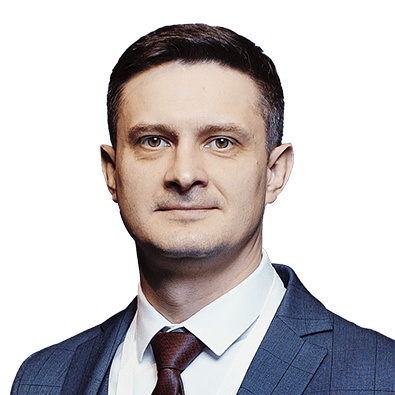
To Punish or to Pardon: Line Walkdowns Put the Comma in the Right Place
Transforming line walkdowns from a punitive tool into a proactive risk management process. Implementing cross-functional "risk hunting," abandoning the fine system in favor of developmental conversations and rewarding safe work.

Saving Lives Through Risk Management
Implementation of a risk-oriented approach at a new asset with a different socio-cultural environment. The practice includes setting measurable engagement KPIs, regular "risk hunts" with a 75% elimination target, and overcoming mental barriers by involving employees' families in training events.

Digitalization of Access Control: New Horizons of Safety
Implementation of a comprehensive access control system for high-risk work, including the personal presence of experts ("demonstration access"), continuous video recording of the process using mobile recorders, and testing of stationary neural network video analytics complexes. The practice aims to eliminate a formal approach to pre-shift briefings and PPE checks, as well as to build trusting relationships between personnel and regulatory bodies.
What Subtleties Hide Behind "Stop Unsafe Work"
Implementation of the "Stop Unsafe Work" tool involving line personnel in identifying hidden risks. The practice includes using a mobile app to record risks, mandatory worker participation in the corrective measures commission, and a reward system for using the tool without applying sanctions.
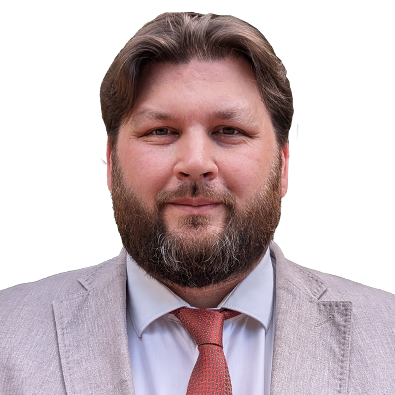
Environmental Risks
Transitioning from formal registers to real environmental risk management using cross-functional teams and the HAZID/ENVIT methodology. The practice includes decomposing risks into factor, event, and consequence, as well as applying a "risk constructor" for accurate threat formulation and material assessment.
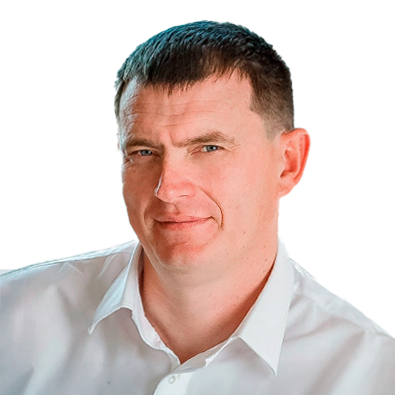
Specialist Qualification – A Key Factor in Construction Safety and Quality
A comprehensive qualification and safety management system on a megaproject with rapid personnel growth. It includes strict rationing of the ETP-to-worker ratio, multi-stage incoming inspection with testing and screening of unscrupulous training centers, as well as continuous training at shift camps and field training grounds.

Targeted Warehouse Safety Solutions
A set of targeted engineering and organizational solutions to ensure safety in a high-rack warehouse. It includes adapting warehouse equipment, software speed limits, implementing telemedicine for pre-trip inspections, and using short video lessons for personnel training.

UWP - Unsafe Work Practices - New Approaches to Safety Management
A project to eliminate unsafe work practices (UWP) based on a five-step methodology: categorization of violations, scheduling, development of measures, rapid implementation, and multilevel monitoring. The practice includes identifying root causes of violations, standardizing workplaces, and involving top management to build a safety culture.
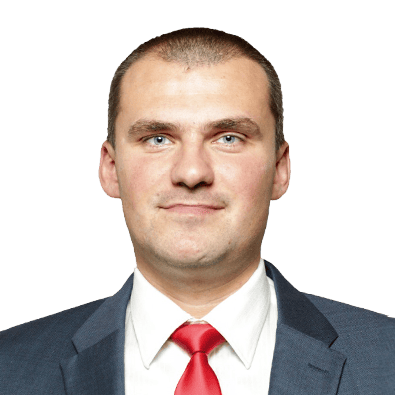
Improving the Quality and Speed of Communicating Critical Technical and Production Risks Across the Management Vertical of Large Critical Infrastructure Companies to Prevent Emergencies Before They Occur
Creating a safe corporate environment for the open communication of critical production risks from line personnel to owners. The practice includes changing the top management motivation system, allocating resources to eliminate long-standing problems, and conducting in-depth incident investigations focusing on systemic causes.

Risk Management for Highly Vulnerable Groups and Lone Workers
Implementation of a lone worker monitoring and positioning system based on smartphones and BLE beacons. The platform monitors employee status in real time, detects falls and immobility, and allows sending an SOS signal for rapid response by medical and security services.