#Visualization
Visualizing risks and safety rules: marking hazard zones, setting up fences, information boards, and digital indicator dashboards. Creating intuitively understandable workspaces to combat human error.
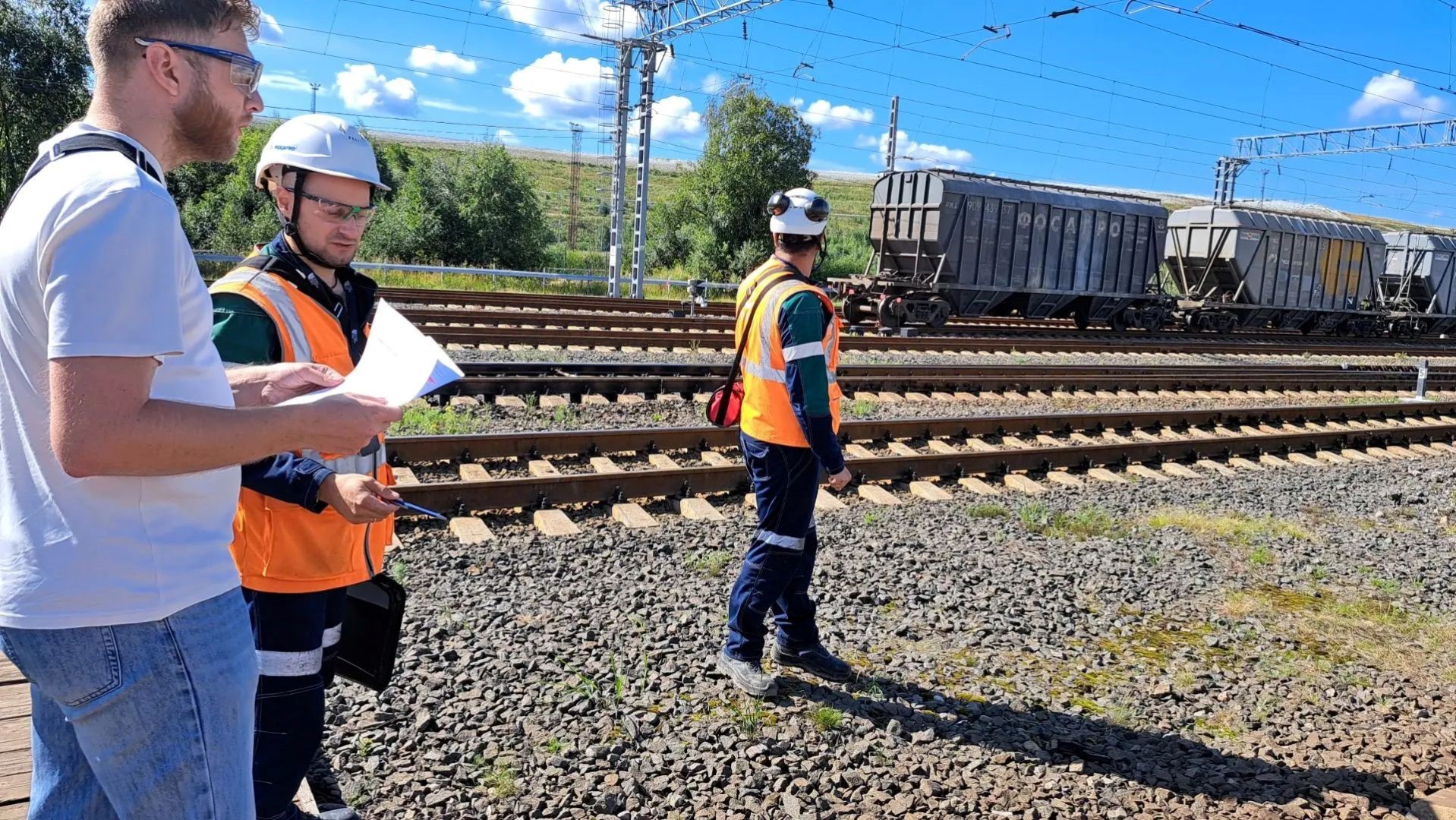
Best Practices for Creating Video Content for Introductory HSE Inductions
How can an introductory HSE induction be made truly effective? JSC "Apatit" shares its experience in creating training videos for railway infrastructure workers. Discover how to prepare a script, visually demonstrate risks, and why this format works.

Transforming Typical Safety Briefings: From "Best HSE Idea" to "Video Briefing"
Transforming typical HSE safety briefings into short instructional videos created directly at the workplace by employees. The practice was implemented through motivational competitions with a prize pool, enabling workforce engagement, building a library of safe work practices, and integrating videos into instructions via QR codes.
Reading Is Not Enough: How to Turn Safety Information into a Practical Tool
Having detailed HSE instructions does not guarantee that an employee will act safely in a real-world situation. We explore how to reduce cognitive load and turn regulations into an understandable tool for workers.
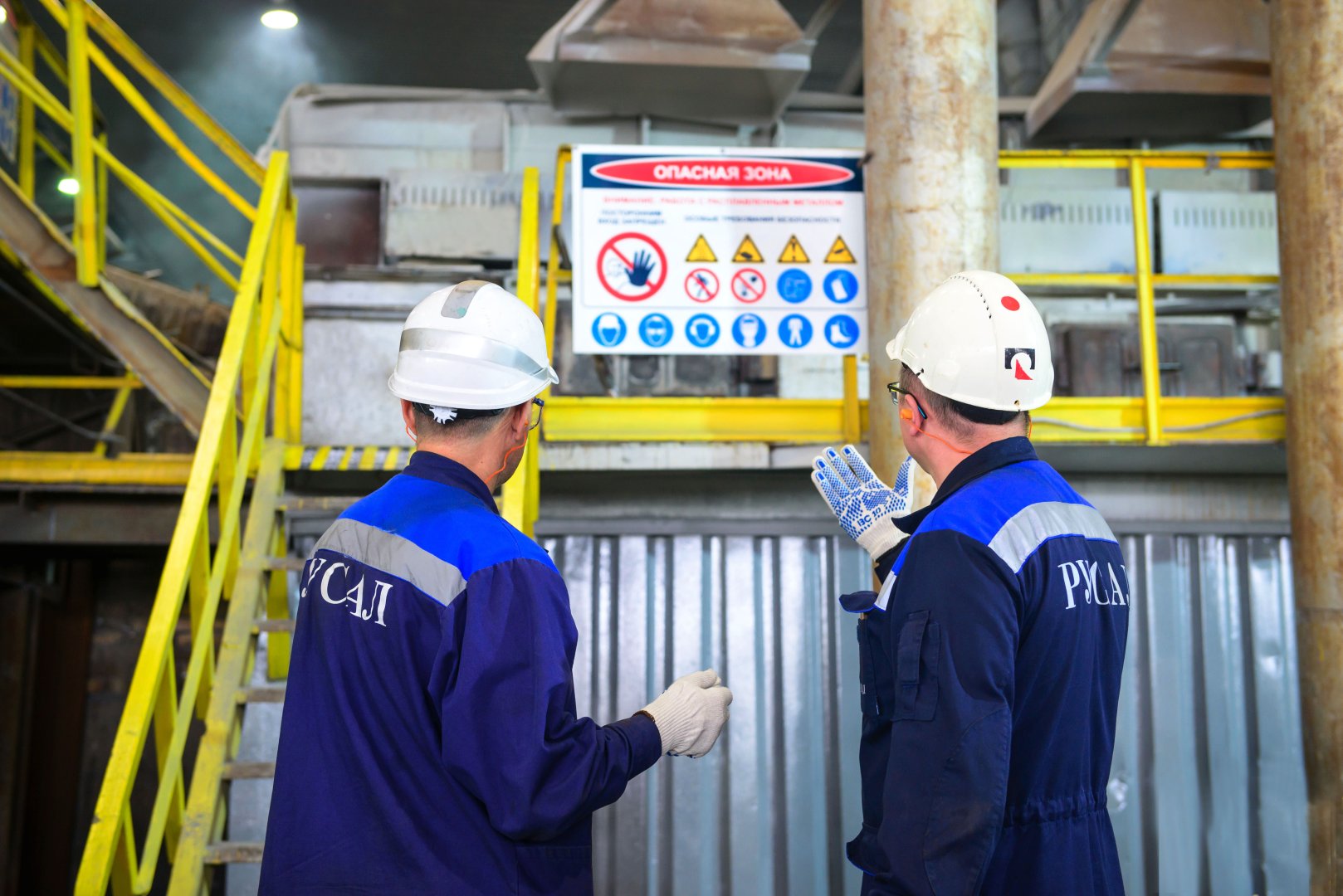
🛡️Safety: Visual safety management at RUSAL — sharing our experience
A rusty sign taped to the shop gates reads loud and clear: safety is of no interest to anyone here. Ivan Bobrov explains how RUSAL’s Downstream Division — 11 plants and about 8,000 employees — built visual safety management with its own people in two and a half years: a single standard for signs and floor marking, three steps of “see it — design it — apply it”, ready solutions for hazardous areas, stairways and pedestrian flows, and the seven conditions without which none of it works.
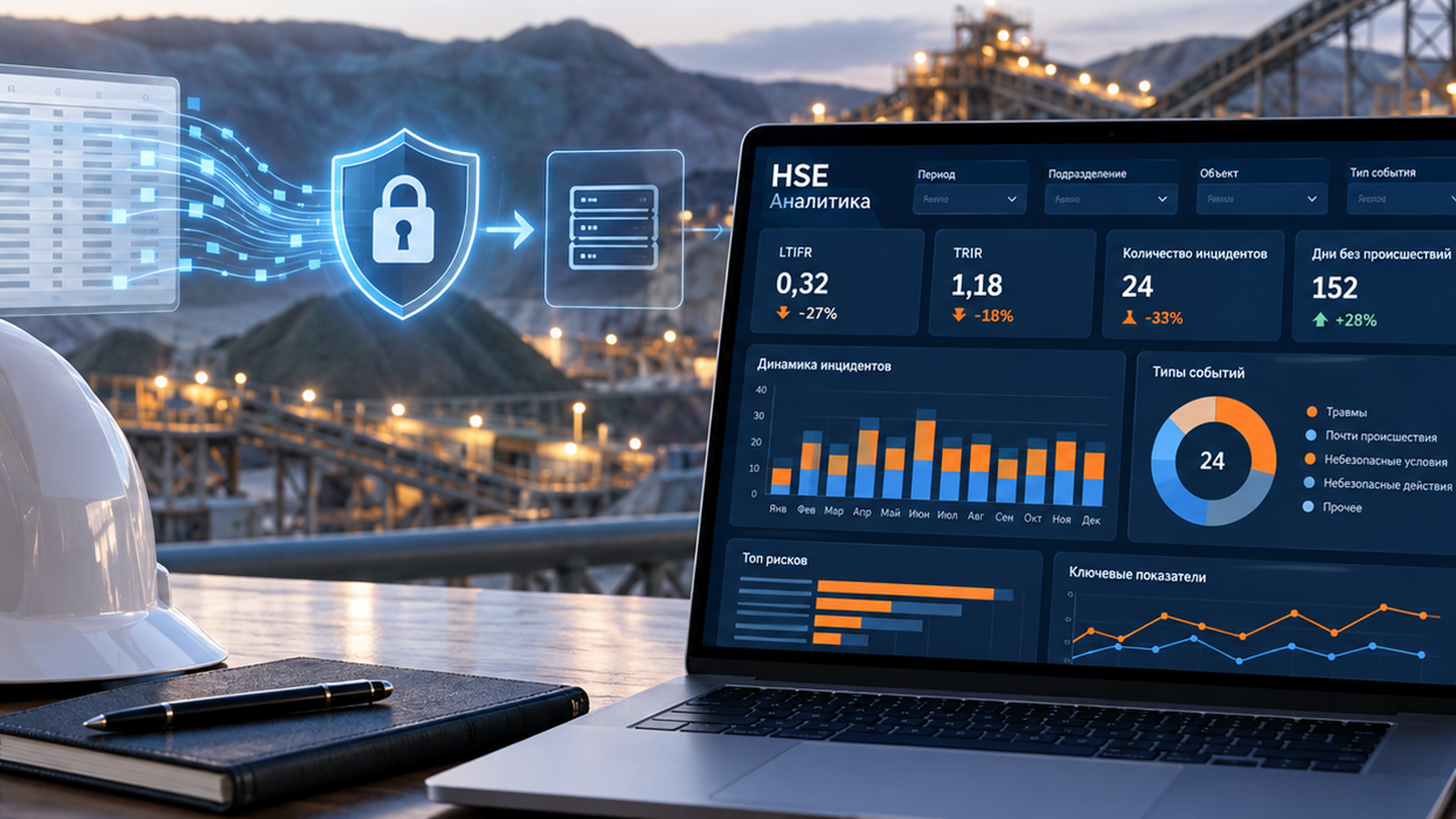
From an anonymized Excel file to management-level HSE analytics. Stage 2: building a standalone interactive HSE dashboard with vibe coding
The anonymized template is ready — what do you do with it next? The HSE director of JSC SSGPO shows stage two: in a few iterations the template turns into a standalone HTML dashboard for behavioural safety dialogues and critical risk control — with filters, clickable charts and drill-down from a general figure to a single record. The real working database is connected locally, once the program is finished. Includes all eight prompts in full.
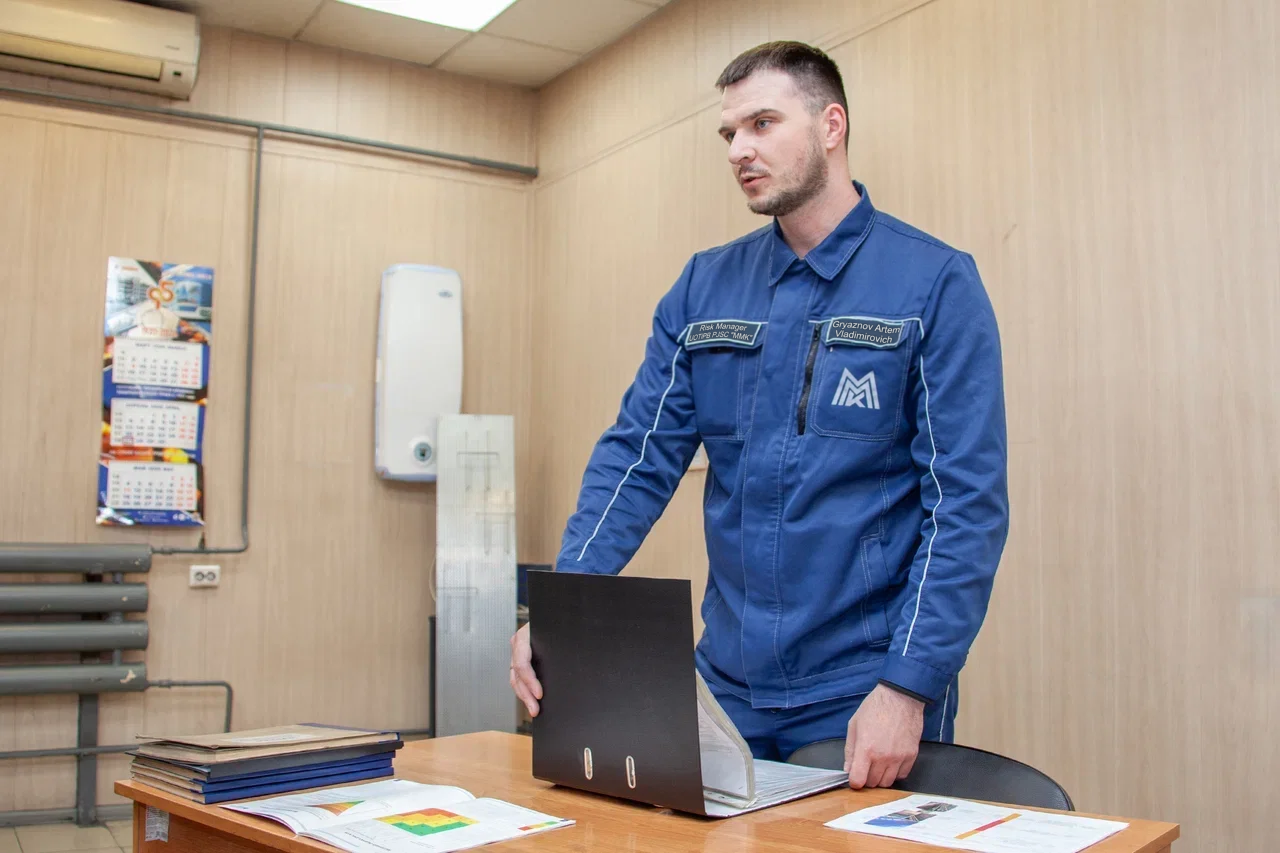
Shift Handover Meetings: How Frontline Supervisors Can Turn Briefings into Tools for Safety and Efficiency
A pre-shift meeting is not a routine 'five-minute briefing', but a key barrier against injuries. Learn how a line manager can conduct meetings effectively: identify risks, assess the condition of the crew, and engage workers in safety.

🛡️ Safety: HSE Induction Video — Sharing Our Experience
How to create an effective video for introductory occupational health and safety training without huge budgets? We share real experience of creating a video on our own: from idea to implementation for 3,000 rubles. Find out how to improve training quality and save specialists' time.


AI as a Content Factory
The use of generative neural networks to create training materials and visualize HSE risks. The practice includes using text, graphic, and video AI models to accelerate course development, translate into foreign languages, and create realistic briefings without involving third-party contractors.

Digitalization of Audits: From Self-Assessment to Status Control
Transitioning the safety compliance audit process from Excel to a unified digital system. Automatic score calculation upon completion of corrective actions and real-time visualization of branch statuses.

Contractor Risk Management: From Blind Spots to a Barrier System
Implementation of an end-to-end contractor risk management system focusing on maintenance work. Using digital tools (Power BI dashboards, electronic permits-to-work, heat maps) for online monitoring and management decision-making.

Organizing and Conducting a Production Safety Cross-Audit
The article is devoted to the practice of organizing and conducting cross-audits of labor and production safety between enterprises of the SUEK company. The author examines how mutual inspection of production facilities by specialists of occupational health and safety services makes it possible to identify non-obvious hazardous situations, exchange practical experience, and diagnose one's own safety system. The material shows the value of joint analysis of similar problems and the application of...

Safety Practices During Scheduled Preventive Maintenance
A comprehensive approach to safety management during scheduled preventive maintenance (SPM), including preventive practical training ("Safety Weeks") and weekly mass gatherings ("Safety Assemblies"). The practice aims to engage regular staff and contractors, increase risk awareness, and build a zero-injury culture through visual training, public recognition, and a feedback system.