Exoskeletons: Science Fiction or Reality?
Exoskeletons, devices resembling a science fiction suit, are increasingly becoming a reality today. These technologies, which help humans enhance their physical capabilities, began their journey in the middle of the last century. But what are exoskeletons really, what versions already exist, and where are they used, especially in the field of HSE and industrial safety?
An exoskeleton is a wearable mechanism that helps a person increase their strength and stability using various technologies such as hydraulics, electric drives, and advanced materials. The first exoskeleton prototypes appeared in the 1960s when General Electric introduced a device capable of augmenting human muscles. However, the first model proved too heavy and bulky, and the technology could not move beyond the laboratory.
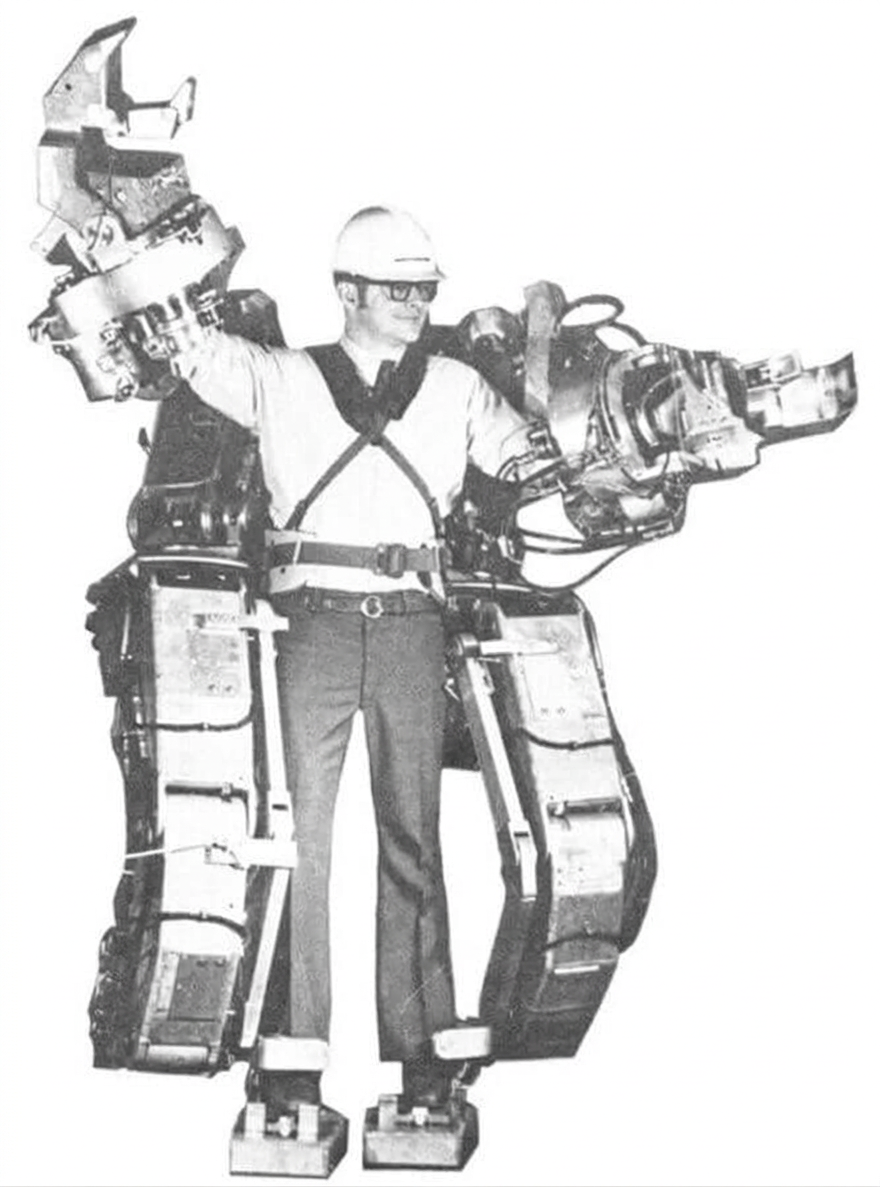
Since then, exoskeletons have come a long way. Modern exoskeletons are used in various fields: medical rehabilitation, logistics, manufacturing, and even rescue operations. In medicine, they help patients suffering from musculoskeletal disorders recover lost functions. In logistics and manufacturing, exoskeletons are used to reduce the load on employees performing heavy physical labor.
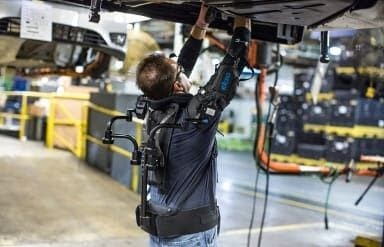
Not long ago, exoskeletons reached the field of HSE and industrial safety. At our company, we decided to test several exoskeleton models for industrial use. The main goal was to reduce the load on employees involved in moving bulky goods, working in confined spaces, or in large warehouse facilities. The test results showed that despite the general expectation of a breakthrough, exoskeletons are still far from perfect. The main problems we encountered include inconvenience of use, low autonomy, and insufficient adaptation to real production conditions.
Currently, the exoskeletons available for industrial use have more disadvantages than advantages. The technologies are still in the stage of active development. Many devices we tested could not withstand the loads, could not work effectively in low temperatures, or near electromagnetic fields. This limits their application and requires significant improvements.
However, the potential of these technologies is enormous. Exoskeletons can become an important tool for offloading the arms and legs of employees in heavy industries. In the long term, they will help significantly reduce the risk of injury, especially when moving heavy and bulky objects, and increase overall labor productivity. Modern developments are aimed at increasing the efficiency of exoskeletons, their lightness, and adaptation to different usage conditions.
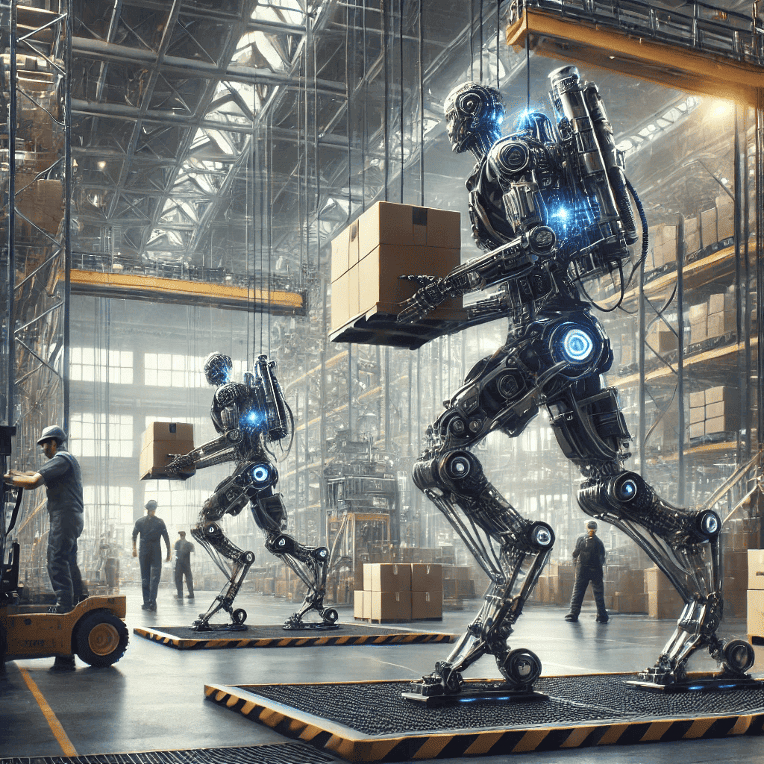
Additionally, the regulatory uncertainty regarding the use of exoskeletons remains a major issue. In Russia, the first GOST for industrial exoskeletons (GOST R 12.4.306-2023) was recently approved, which was a significant step forward. This standard describes the basic requirements for exoskeletons, their classification, and application as personal protective equipment (PPE) for the musculoskeletal system. However, at the moment, exoskeletons have not yet become full-fledged PPE, and their legal status requires further development. The regulatory framework must be refined to ensure the safety and standardization of these technologies.
The question of whether exoskeletons are science fiction or reality remains open. Today, it is more of an experimental technology with great potential. We believe that in a few years, exoskeletons will become a reliable and convenient assistant in the field of HSE and industrial safety, but this requires further research, technological improvement, and the development of a clear regulatory framework.