#Safety briefing
Transformation of the occupational safety briefing system: from boring monologues to interactive dialogues. Presents the transition to microlearning methodologies before dangerous tasks. Highlights the practice of quality pre-shift safety minutes, visualized memo sheets, video briefings, and interactive check-lists.

Safe Behavior in the Workplace: A Psychologist's Recommendations
How can you increase safety awareness among frontline workers using simple self-check questions? We explore a three-stage psychological support methodology—before starting, at the workstation, and after completing a task—that helps identify risks early and prevent unsafe actions.
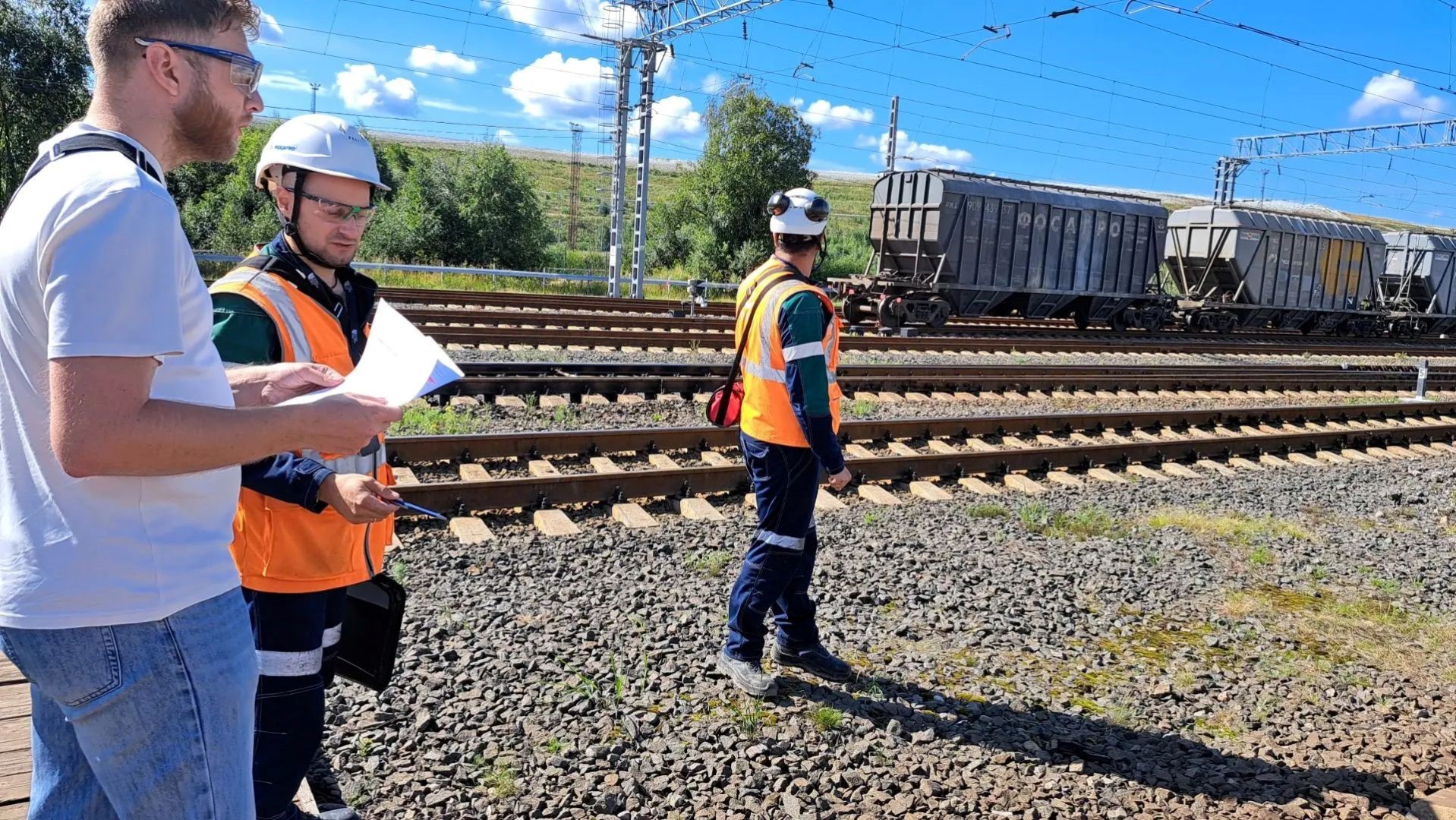
Best Practices for Creating Video Content for Introductory HSE Inductions
How can an introductory HSE induction be made truly effective? JSC "Apatit" shares its experience in creating training videos for railway infrastructure workers. Discover how to prepare a script, visually demonstrate risks, and why this format works.

Transforming Typical Safety Briefings: From "Best HSE Idea" to "Video Briefing"
Transforming typical HSE safety briefings into short instructional videos created directly at the workplace by employees. The practice was implemented through motivational competitions with a prize pool, enabling workforce engagement, building a library of safe work practices, and integrating videos into instructions via QR codes.

Contractor's Foreman: Why Safety Is Decided at 7 AM by the Site Trailer, Not in the Contract
Flawless safety documentation does not guarantee safety. The real responsibility for human lives rests on the foreman's shoulders. Why shouldn't foremen be turned into supply clerks, and how should contractor control be built? We analyze where paper safety ends and real safety begins.

When Information Becomes Overwhelming: How We Studied the Employee Journey to Independent Work Authorization
We walked the newcomer's path — from hiring to work authorization — and studied the full scope of briefings. Why 2,000 pages of requirements do not guarantee safety, how cognitive overload kills attention, and why training needs to be built around real situations, not regulations.
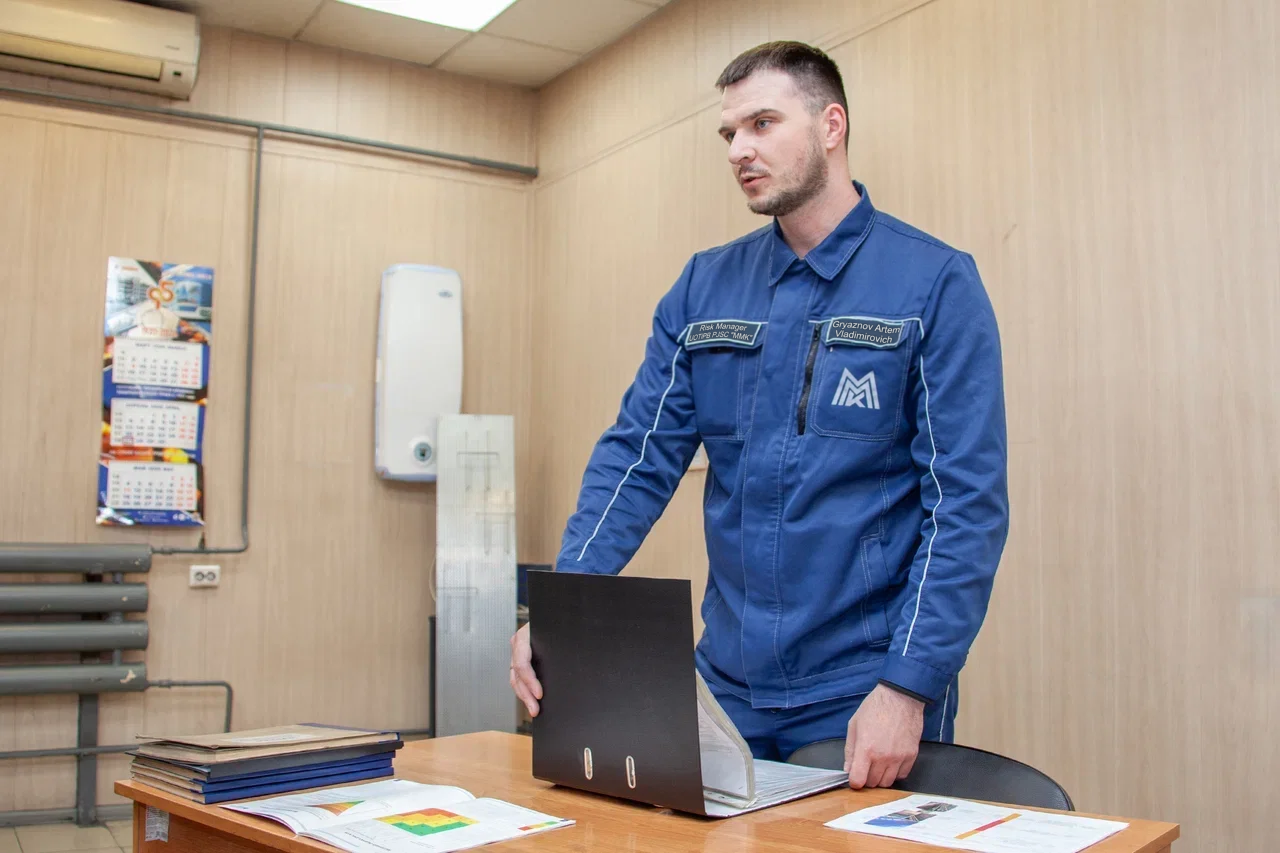
Shift Handover Meetings: How Frontline Supervisors Can Turn Briefings into Tools for Safety and Efficiency
A pre-shift meeting is not a routine 'five-minute briefing', but a key barrier against injuries. Learn how a line manager can conduct meetings effectively: identify risks, assess the condition of the crew, and engage workers in safety.

🛡️ Safety: HSE Induction Video — Sharing Our Experience
How to create an effective video for introductory occupational health and safety training without huge budgets? We share real experience of creating a video on our own: from idea to implementation for 3,000 rubles. Find out how to improve training quality and save specialists' time.


AI as a Content Factory
The use of generative neural networks to create training materials and visualize HSE risks. The practice includes using text, graphic, and video AI models to accelerate course development, translate into foreign languages, and create realistic briefings without involving third-party contractors.

Communication Bridge: Secrets of Productive Communication with Contractors at Every Stage
A multi-level communication system with contractors at all stages of interaction. Includes assessing leadership engagement at the start, induction training, regular meetings of various levels (from daily to annual), and forums for idea generation.

Psychological Tools for Conducting Targeted Briefings
The article considers the human factor as one of the main causes of occupational injuries and proposes moving to a qualitatively new level of safety. The author explains how conducting targeted safety briefings in the form of an active dialogue and with a positive emotional background helps manage employee attention. The material shows that changing the format of safety briefings allows workers to independently identify risk factors and consciously apply safety measures.

Safety Minutes: How 5 Minutes Change HSE Culture
The article talks about the practice of "safety minutes"—a five-minute live dialogue in the field where colleagues discuss production risks as equals and with specific examples. Open discussion of real-life stories and other people's accidents shatters the myth of immortality among experienced workers, builds trust in management, and helps apply occupational health and safety rules in practice. As a result, short meetings become a daily ritual and a living tradition, in which employees themselve...

"Safety Contact": A Targeted Strike on Risks
The article discusses the operational “Safety Contact” — a concise tool for the rapid analysis of specific production incidents and risks. The material details the format structure, which includes analyzing the causes of the incident and formulating practical recommendations for employees. Such a tool helps to promptly inform the team, prevent repeated errors, and increase overall safety.