#Line managers
Line Managers as supreme security crusaders. Displacing ultimate duty from cushy HSE chairs right into the bloodstreams of shift foremen. Consolidates pure leadership juice, urging lower brass to 'be, not fake' lions.
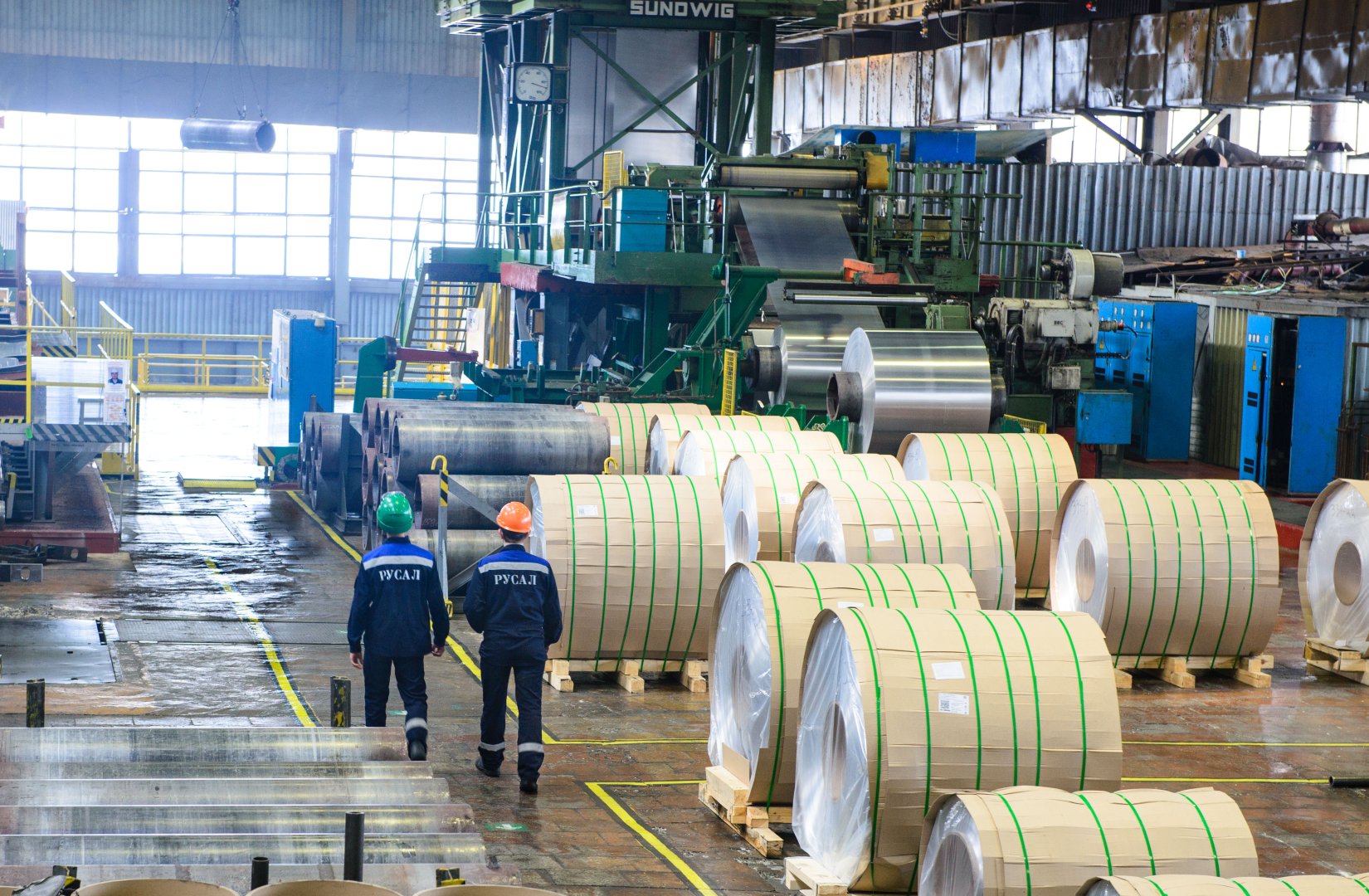
🛡️ Safety: Safety Observation Program (UC RUSAL) | Part 3
How do you design an evolution? How many hazards lurk in your facility's blind spots? How do you assign an owner to every square meter? Line manager autonomy matters. Safety observations: breaking down the mechanics and foundation of a management program.

When Deviation Becomes the Norm
Two major incidents show how unsafe practices become entrenched within existing safety management systems. We examine why regular inspections do not guarantee barrier reliability and how open dialogue with contractors helps identify and eliminate hidden risks.

The Path to Mindful Safety Through Common Sense
Why do Vision Zero concepts at our plants often become a mere formality? We break down the conflict between "paper" safety and real production. Inside: 8 practical steps to adapt top HSE standards to aging infrastructure and worker psychology.

Contractor's Foreman: Why Safety Is Decided at 7 AM by the Site Trailer, Not in the Contract
Flawless safety documentation does not guarantee safety. The real responsibility for human lives rests on the foreman's shoulders. Why shouldn't foremen be turned into supply clerks, and how should contractor control be built? We analyze where paper safety ends and real safety begins.

Shift Handover Meetings: How Frontline Supervisors Can Turn Briefings into Tools for Safety and Efficiency
A pre-shift meeting is not a routine 'five-minute briefing', but a key barrier against injuries. Learn how a line manager can conduct meetings effectively: identify risks, assess the condition of the crew, and engage workers in safety.

LTIFR, production plans, ratings, zero budget, and non-monetary motivation: a recipe for a successful solution from Metalloinvest
Implementation of a comprehensive rating system for production departments that combines safety, reliability, and efficiency indicators in equal proportions. The practice is built on non-monetary motivation tools with a zero budget and includes strict process metrics: risk resolution speed, quality of line walks, and the number of mitigated risks per employee. The tool makes production workshop managers the primary owners of safe operations by directly linking HSE indicators to production plan f...

Safety Culture as a Driver of Operational Excellence
Integrating safety culture into enterprise production processes through Lean manufacturing tools and Total Quality Management (TQM) systems. Transforming the role of line managers from directive management to developmental leadership using behavioral safety audits and Near Miss systems. The practice aims to overcome the conflict between plan fulfillment and safety, reduce production losses, and increase operational efficiency.


Leadership: Do You Really Need It?
Transformation of safety culture at a large industrial enterprise through the transition from directive control to engaging leadership. Implementation of developmental feedback tools, behavioral safety audits, and Just Culture principles for proactive management of minor injuries and near misses.

The Logic of a Manager and a Leader
The article is devoted to comparing the roles of a manager and a leader, distinguishing administrative functions from the specifics of leadership behavior. Based on comparative examples, historical experience, and business data, the author analyzes the key qualities of a leader — from intuition and readiness to take responsibility to the ability to foster a creative environment. The text helps to understand the differences between official position and real leadership, which is earned through a...

Four Simple Solutions to Improve Communication with Workers
The article describes four practical approaches to informing and training employees in the field of occupational health and safety. The author shares experience in conducting five-minute safety briefings, joint safety instructions, walk-throughs, and sessions with feedback from workers. These solutions help identify the causes of violations, establish communication with staff, and control compliance with safety requirements more effectively.

HSE Leadership: Why Leaders Set the Safety Culture
The article explains why a sustainable culture of industrial safety is formed through the personal example and practical actions of a leader, rather than solely through regulations and standards. The text describes key elements of leadership — from regular dialogue with the team and supporting positive behavior to effective risk management and analyzing the causes of incidents without searching for someone to blame. The material shows how active management involvement helps employees shift from...

Can You Cultivate the "I Want, I Do" HSE Principle in a Manager?
The article examines the issue of developing personal initiative and responsibility for safety culture (HSE) among managers. The author offers practical ways to engage management — from using a competitive principle to implementing a single tool with HSE data for self-analysis. The material helps HSE specialists build partnerships with managers and convince them of the key role of personal leadership.