🛡️Safety: When Crisis Tests Leaders' Resilience
My HSE colleagues and I deeply value leaders who spend years building a safety culture: through committees, site walkthroughs, and detailed incident root cause analysis. This is a monumental effort that creates a company's margin of safety. 💎
The energy of such people drives corporate culture upward, step by step. However, if a leader suddenly decides to "take a break" and reduce "management pressure," that culture can roll downhill as easily as a stone falling from a mountain.
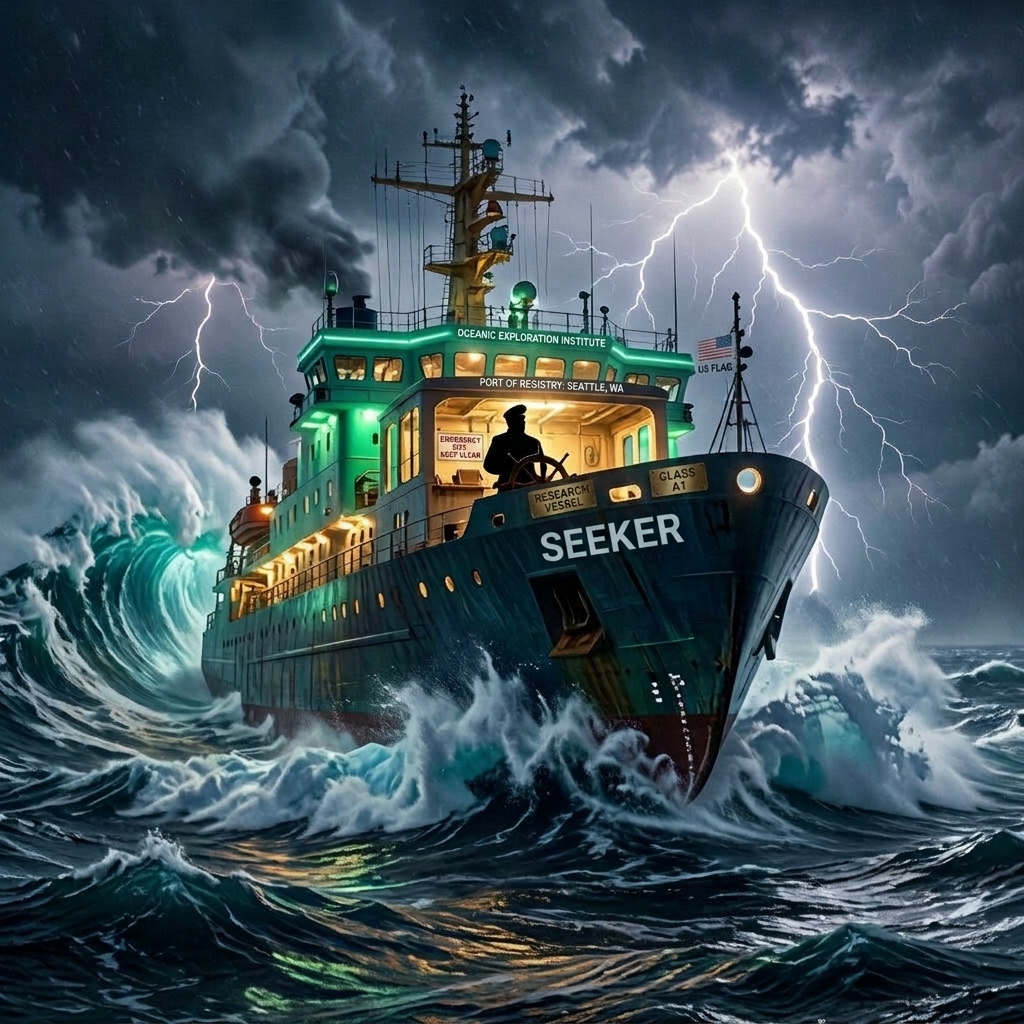
The "moment of truth" for a leader comes when the "economic weather" changes and a storm hits.
In an attempt to keep the ship afloat, one might feel the need to throw overboard everything that seems costly and "secondary." Unfortunately, safety is sometimes the first thing to go under the knife. This illusion is dangerous.
In any sustainable business, there are three equally important priorities:
- Production.
- Quality.
- Safety.
By sacrificing one, we inevitably lose all the others.
By sacrificing safety for short-term savings, a leader triggers a chain reaction:
- Operational discipline declines. 🧑🤝🧑
- Technological processes are disrupted. 🏭
- The risk of workplace injuries and critical accidents increases. 💥
- In crisis conditions, a company may simply not survive them. 💰⚡
What should be done?
During periods of economic turbulence, it is necessary to transition to a strategy of maintaining safety at a "pre-crisis level" — referring not to costs, but primarily to the achieved level of operational discipline and technological processes. This allows for the correct identification of priorities and the optimization of efforts and resources, focusing them on vital programs and key risks.
Developing and implementing such a strategy is no easy task. To solve it, professionals are needed — and it is vital to protect them even in the "stormiest weather." They will help keep the "ship" afloat and return it to a course of sustainable development as soon as possible. 🚀
The economic storm will eventually subside, interest rates will normalize, markets will recover, and sales volumes will climb. But the "storm" within a workforce that has lost trust in its leader will never truly quiet down.
________________________________________
Safety is the foundation upon which the very ability of a company to function stands.
In a crisis, the right decision is not to "turn off" safety, but to lean on it to maintain control and efficiency.