
🛡️ Safety: Safety Observation Program (UC RUSAL) — Part 1
"Now, here, you see, it takes all the running you can do, to keep in the same place. If you want to get somewhere else, you must run at least twice as fast as that!"
Lewis Carroll, "Through the Looking-Glass"
Are employees hiding from inspections? Are hazards everywhere, but everyone has long grown accustomed to them? Are control logbooks gathering dust while waiting for the state inspector?
How can safety control be made effective, transitioning to behavioral audits, and then stepping into the future — toward predictive AI monitoring and autonomous risk management?
In the Downstream Division of UC RUSAL, we have covered a significant part of this journey.
Starting from paper-based three-stage inspection, we reimagined and modernized the traditional approach based on international best practices.
Scale: 11 facilities (around 8,000 employees).
Implementation timeframe: approximately 4 years.
Executors: our HSE team and in-house IT specialists.
Budget: virtually symbolic.
1. A Classic of the Genre
The multi-level occupational safety control system originated in the Soviet Union at the turn of the 1960s and 1970s.
It received a unified methodological foundation and official recognition with the publication of the "Methodological Recommendations for Organizing Three-Stage Occupational Safety Inspection," approved by the Occupational Safety Department of the All-Union Central Council of Trade Unions (AUCCTU) on July 2, 1981.
The core principle of this model remains to this day: dividing areas of responsibility and regulating the frequency of workplace walk-throughs (Figure 1).
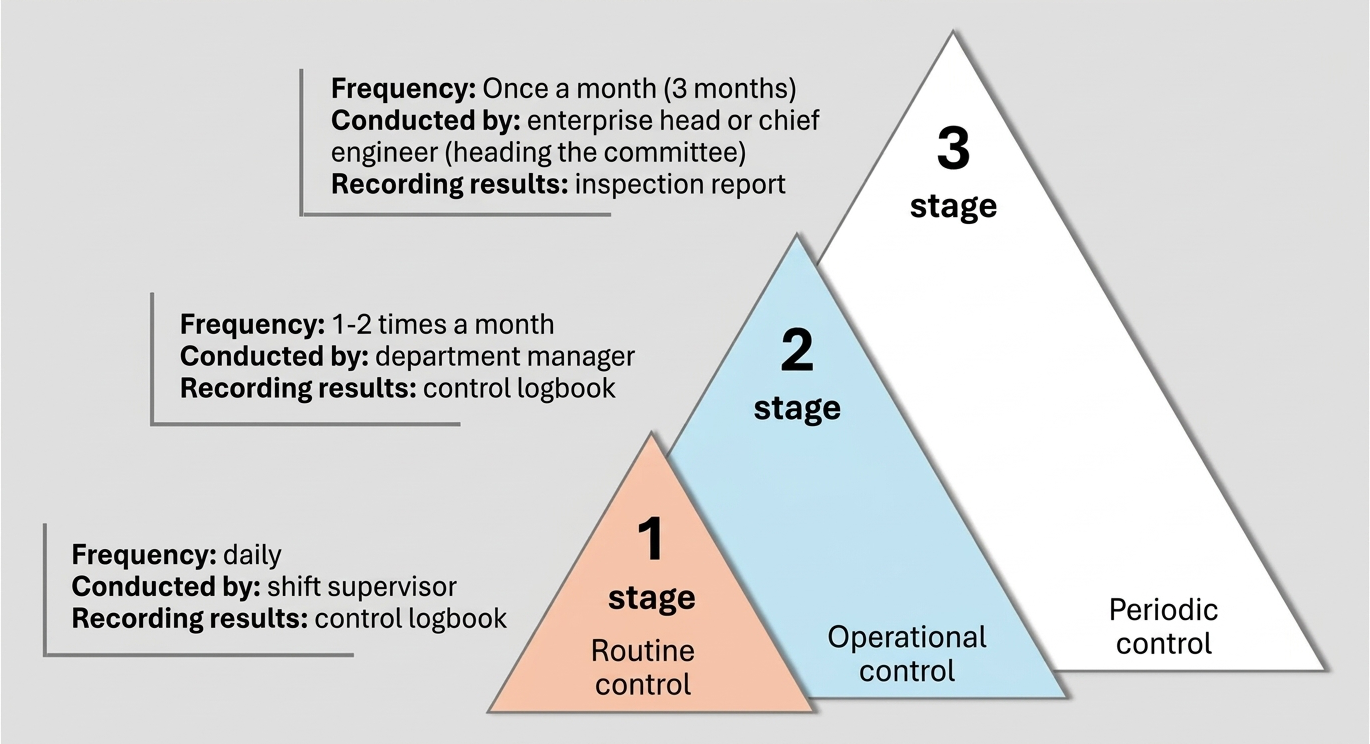
Figure 1. Three-stage inspection diagram
The essence of the approach is that higher-level managers not only inspect workplaces but also evaluate the quality of control performed at previous levels.
Walk-through results are recorded in paper logbooks, while executive inspections are documented via formal reports and facility-wide executive orders.
Later, tear-off penalty coupons were introduced. The first coupon confiscated from a worker served as a warning; the second resulted in bonus deductions and disciplinary action…
Strengths of the Classic Model:
Engagement: line managers at all levels participate.
Proactiveness: prompt detection and elimination of hazards.
Critical Drawbacks:
Negative motivation: enforcement-style inspections ("came, saw, punished") incentivize hiding problems.
Management gap: lack of participation from front-line workers.
Scattered focus: attention shifts to physical equipment and environment, while human actions are poorly tracked.
One-way communication: a deficit of open, informal, two-way dialogue with personnel.
Bureaucratic burden: an abundance of formal paper pushing.
Information blindness: extreme difficulty in collecting and systematizing analytics, low visibility of corrective actions, and inability to perform real-time monitoring.
Thanks to its simplicity, multi-stage inspection continues to be widely used across domestic industrial enterprises.
In Russia, this model can rightfully be considered the forerunner of modern safety observation systems. Obviously, it has long fallen behind the pace of modern business and technology development and needs a complete reboot.
The situation is further complicated by the fact that other mandatory systems operate in parallel within the enterprise:
Industrial safety internal control.
Fire safety control.
Sanitary and epidemiological operational control.
Environmental operational control.
2. You Can Never Have Too Many Eyes
International practice uses a different approach called "safety observations." It emerged in the 1970s and 1980s and soon gained widespread practical adoption.
💡Safety Observations are the mindful monitoring and evaluation of workplace conditions and practices directly during work execution.
Their core essence is captured by five key tenets:
Engagement: safety observations are everyone's responsibility.
Human focus: primary attention is on people's actions (behavior).
Promptness: see a hazard — act immediately.
Constructiveness: honest dialogue with employees builds trust.
Objectivity: address root causes of hazards rather than assigning blame.
Observation results are recorded on paper cards or in digital formats — the choice depends on the facility's level of digitalization and workplace specifics.
One of the first widespread commercial solutions in this field was DuPont's STOP® (Safety Training Observation Program). It was designed to develop practical skills among employees and managers in identifying unsafe acts and conditions, as well as responding appropriately.
Today, this methodology is widely known as behavioral safety audits (BSAs) and represents a striking practical implementation of the Behavior-Based Safety (BBS) concept — managing safety through behavior.
💡Linus's Law: given enough eyeballs, all bugs are shallow.
Safety observations were created as a tool for achieving this "sufficient number of eyes," broadly involving personnel in incident prevention.
3. Cultural Code
No matter what form safety control takes at an enterprise, it directly impacts your employees:
It defines their behavioral model.
It sets the vector for thinking and decision-making.
It shapes the collective attitude toward safety issues.
The safety control mechanism is not merely a management tool, but an exact reflection of your corporate culture. If a newly implemented tool does not align with the existing culture, people will reject it.
Let us look at the Bradley Curve (Figure 2). The classic three-stage inspection model fits squarely into the "Dependent" stage of safety culture evolution.
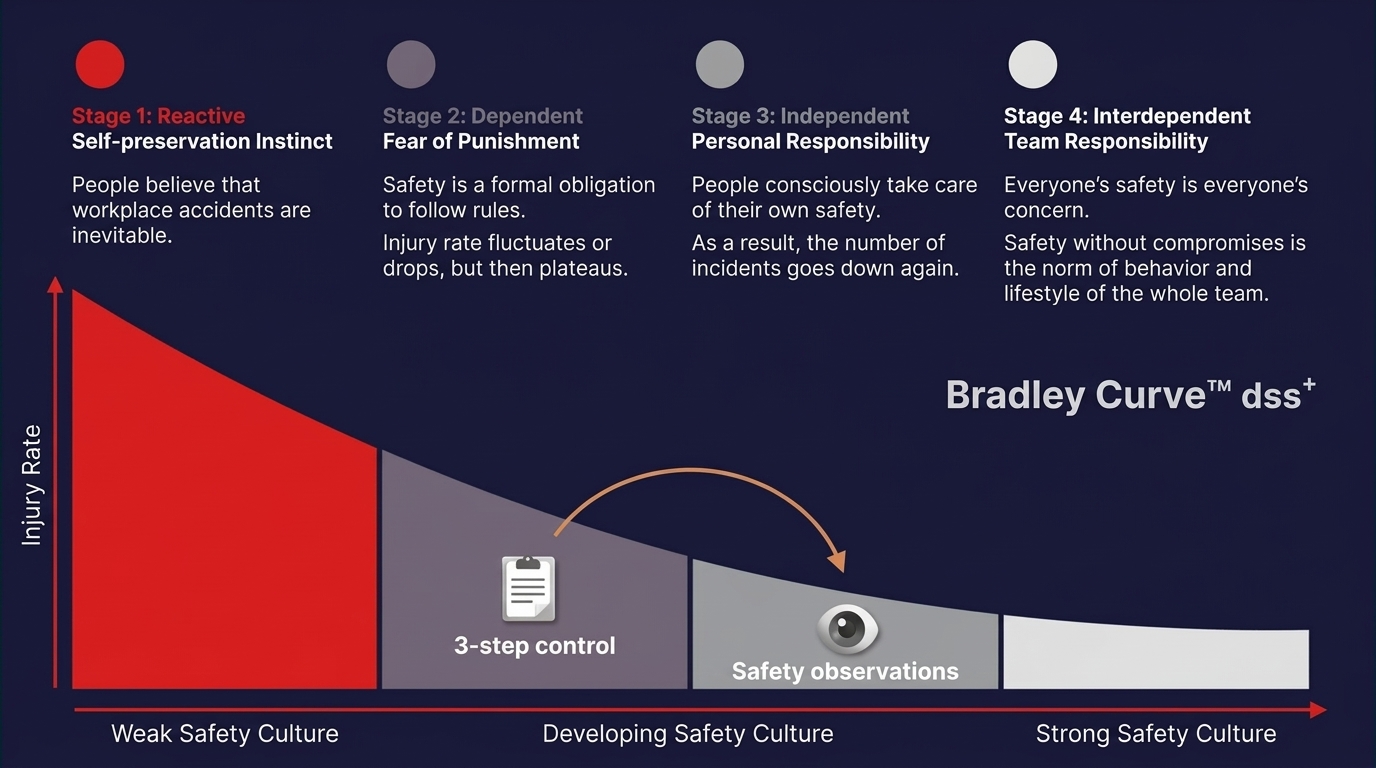
Figure 2. Evolution of safety control methods
If left unchanged, this tool becomes a major impediment to systemic improvements and growth. Therefore, our task is to ensure it does not hinder, but rather supports the transition to the "Independent" stage of safety culture.
💡All changes must be evolutionary, consistent, and manageable.
It is crucial that they remain clear and user-friendly for employees, delivering tangible, practical value.
Any attempt to orchestrate a top-down "revolution" will inevitably spark resistance and sabotage, effectively freezing vital changes for a long time.
4. The Illusion of an Easy Path
Colleagues often believe that modern software systems can single-handedly solve numerous safety challenges, but that is not the case.
Some time ago, I reviewed the functionality of an OH&S IT system at a large and well-known Russian industrial company. We discussed the analysis findings with the colleagues who developed it.
Three key mistakes immediately stood out:
Mechanical digitizing of convoluted three-stage inspection processes into software algorithms.
Disregard for the socio-psychological foundations of people management.
Lack of centralized coordination and governance.
💡Automating broken processes leads to digital chaos.
As a result, chronic flaws of the former paper-based control did not disappear — they simply migrated into the new digital environment:
Digital bureaucratization. The IT platform turned out to be overloaded with cumbersome taxonomies containing hundreds of categories and subcategories. Instead of speeding up work, the complex interface began consuming line managers' time, driving understandable frustration.
Quota-driven compliance over quality. Under pressure from raw KPI numbers, foremen and engineers quickly took the path of least resistance. Their habit of token compliance persisted and even strengthened. Consequently, digital noise proliferated rapidly across the software: reports of supposedly identified and promptly eliminated hazards like "water on the floor" or "scrap charging box overfilled," or logged "safe behaviors" (Figure 3).
Lack of observant eyes. Shop floor workers, office staff, and auxiliary personnel — everyone who directly encounters hazards — remained excluded from safety control participation. This responsibility remained strictly in the hands of line managers.
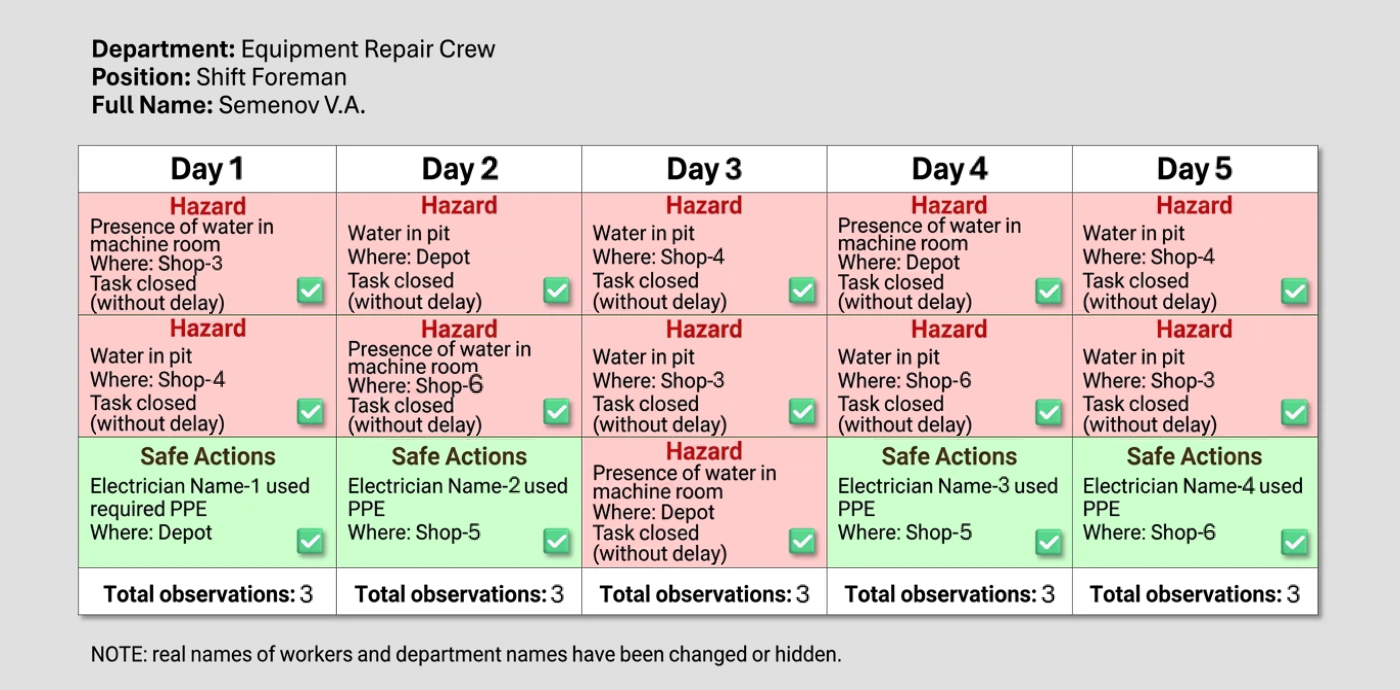
Figure 3. Digital noise is the result of ignoring management psychology
Our conclusions reinforced Conway's Law, formulated by American computer scientist Melvin Conway regarding the design of control systems and software products.
💡 Organizations design systems that mirror their own communication structures.
Simply put, the way people naturally communicate and interact directly determines the nature of the resulting solution.
This means that updating the safety control system must be accompanied by an elevation in communication quality across all operational levels.
Replacing paper logbooks with a computer database is helpful. However, we must realize that this is the easiest part of the task.
Automation is merely a tool, not the goal of transformation. That is why I advise colleagues to approach off-the-shelf commercial OH&S IT products with caution. By purchasing such a "turnkey solution," you simultaneously adopt the embedded methodology inside, which requires careful scrutiny.
Implementing an effective behavior-based approach is a challenge of an entirely different magnitude. It demands well-thought-out, systemic solutions in all their organizational and socio-psychological complexity.
Oversimplification and a mechanical mindset are unacceptable here. They merely create an illusion of order while sweeping long-standing issues under the rug.
* * *
Having covered the theory, we can now move on to analyzing the practical case study.
In Part 2 of this article, I will share how we restructured the safety control system in UC RUSAL's Downstream Division, the challenges we encountered, and the results achieved.
Stay tuned!