#Critical risks
Fatal Risk Management (FRM) for critical hazards. Locking down top-10 threats leading to inevitable deaths (falls, electrocution, vehicle strikes). Zero tolerance for unplugging lockouts and instilling Cardinal Rules.
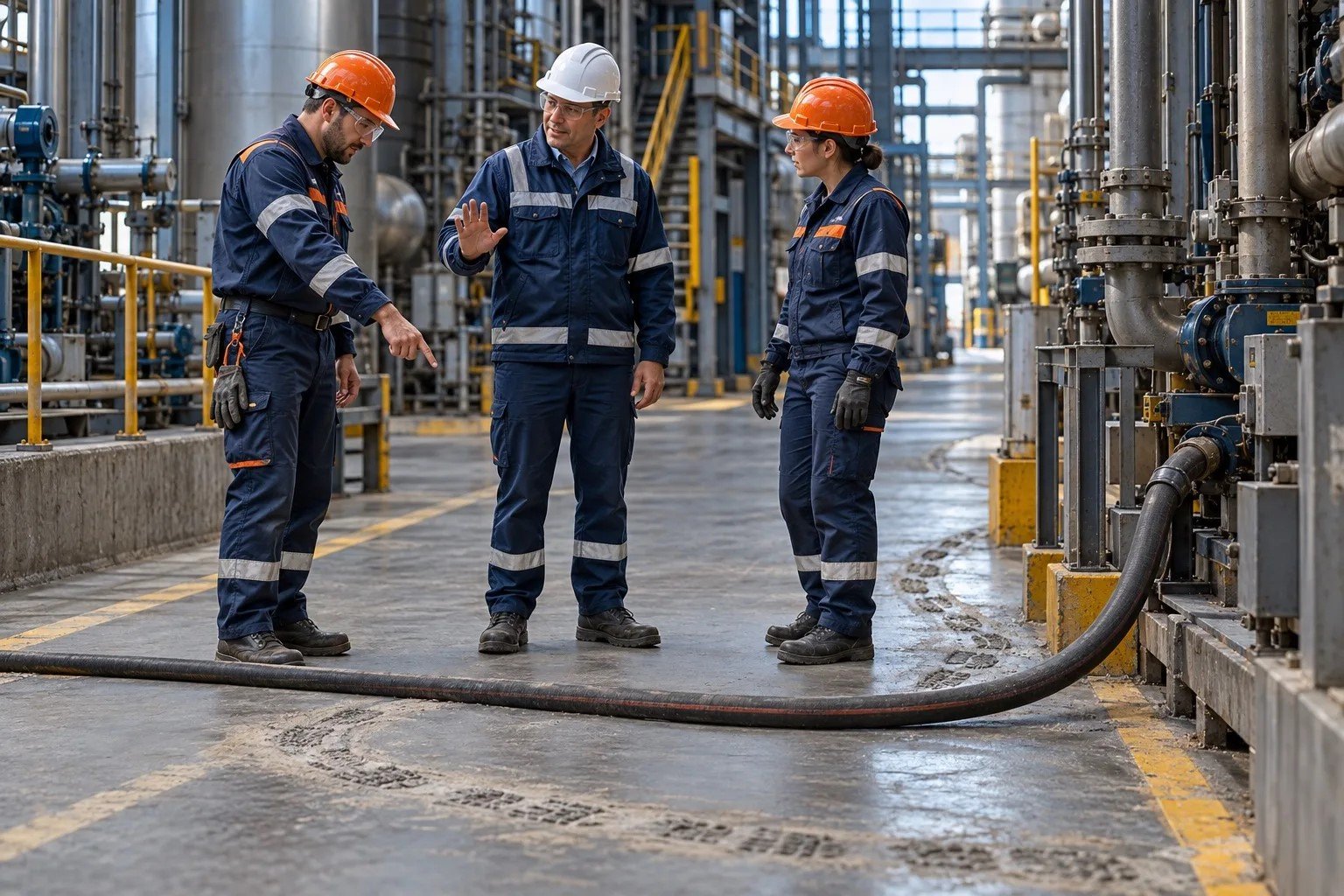
When Deviation Becomes the Norm
Two major incidents show how unsafe practices become entrenched within existing safety management systems. We examine why regular inspections do not guarantee barrier reliability and how open dialogue with contractors helps identify and eliminate hidden risks.

Contractors are not one-off deals: how to manage safety throughout the entire lifecycle, not just at the entry point
A comprehensive contractor safety management system based on the PDCA cycle and ISO 45001 standard. The practice includes digital pre-qualification using local AI models, on-site technical audits of contractor bases, a transition to shift-based work permits, and the creation of a dynamic rating for long-term motivation of reliable partners.

Dynamic Risk Assessment in Metallurgy: Three Rules of Preventive Safety
Find out how dynamic risk assessment (DRA) is changing the approach to safety in metallurgy. Three key rules for continuous workplace threat analysis that help prevent accidents in extreme production environments.

Transformation of Production Control: Barrier-Based Risk Management Model
Digitalization of production control based on a barrier-based critical risk management model using the Bow-Tie method. The practice includes integrating an analytics system and an operational management system to conduct inspections via a mobile application on explosion-proof devices. It features automated generation of corrective work orders and proactive status updates of locations to "hazardous production situation" in cases of systemic deviations.

Integrating Risk Management Systems into Business Infrastructure
Integration of critical risk barrier control into daily production processes using IT solutions and mobile applications. The practice includes the collaborative development of checklists with production personnel, assessment of the actual functionality of barriers, and linking risk management results to the motivation system (KPIs) at all levels. For continuous improvement, the PDCA cycle is applied with regular audits of system adoption in the field.
Transformation of Production Control (Barrier Risk Management Model)
Transformation of the production control system through the implementation of a barrier model for critical risk management (based on the ICMM methodology and Bowtie model). The practice includes identifying critical risks, developing risk maps, building barriers, creating checklists, and fully digitalizing the inspection process with integration into the enterprise's work order system via a mobile app.
Implementing a Risk-Based Approach in Industrial Safety Using the ICMM Methodology
Traditional methods of industrial control in the coal industry are often focused on regulatory compliance rather than actual risk reduction. The article examines the implementation of a risk-based approach using the ICMM methodology, focusing on the identification and verification of critical controls. This approach enables targeted resource allocation and a shift from formal rule compliance to the prevention of catastrophic incidents.

Critical Risk Management. Practical Integration of Risk Management into Production Control
Implementing a critical risk management system in medium-sized enterprises with a limited budget. The practice is based on the barrier approach, identification of catastrophic scenarios, and integration of physical barrier control into the daily work of production managers through checklists and dashboards.

Critical Risk Management
Implementation of a critical risk management system at a mining enterprise. The practice includes prioritizing fatal threats, creating a system of technical and organizational barriers, and digitally controlling their status through personal checklists for workers and mobile apps for line managers.