#Health protection
Staff health protection in adverse work environments. Organizing support programs for hazardous productions. Focuses on sanatorium treatments, medical and preventive nutrition, and preventing early professional aging.

"Medical Examination": Creating an Effective Corporate Health Program
Transforming standard medical examinations into a comprehensive corporate health program. Implementing a "health passport", categorizing employees by risk levels, and conducting targeted preventive measures using digital tools and gamification.

Safety Compass: How AI is Changing the DNA of HSE
Using generative neural networks and low-code platforms (Replit, Bolt) to automate routine tasks for HSE specialists. The "Health Compass" system was developed to monitor epidemiological risks for traveling employees, along with dashboard prototypes for incident forecasting and categorization.

Health School as a Tool for Building a Health Culture Among Employees
Organizing a corporate Health School based on existing enterprise infrastructure to build a health culture and reduce employee morbidity. The project includes regular educational and practical classes, the use of internal expertise, and an ambassador institute.

Proactive Prevention of Burnout Syndrome in Modern HSE Systems: The Sovcombank Case
The article is dedicated to the experience of PJSC Sovcombank in implementing a proactive burnout prevention system using offsite coworkings in Sochi and Gorno-Altaysk. Using the example of project teams working in a four-day work week format and organized recreation, the influence of caring for psychological well-being on corporate culture and employee eNPS is examined. The material shows how a holistic occupational health and safety model helps prevent staff crisis states in large distributed...

How Overwork Affects Safety and Performance
The article focuses on the impact of working conditions and compliance with work-and-rest schedules on work capacity, employee health, and the rate of occupational injuries. Based on a description of production factors and a personal practical example, the author shows the dangerous consequences to which employee overwork leads. The material explains the importance of sanitary and hygienic standards and proper rest for ensuring safety in production and increasing overall productivity.


Creating a Public Access Defibrillation System in Public Places and the Workplace for the Most Effective First Aid in Sudden Cardiac Arrest
Creating a public access defibrillation system at an enterprise taking into account changes in legislation (Ministry of Health Order No. 220n). Includes analysis of risk zones, purchase and placement of automated external defibrillators (AEDs), mass training of employees in CPR skills, and regular monitoring of the technical condition of the equipment.

Employee Health and Wellbeing Practices as the Foundation of Enterprise Sustainable Development
A comprehensive approach to managing employee health and wellbeing at remote sites, including the digitalization of medical exams (Face ID, mobile complexes, telemedicine), behavioral therapy ("Health School"), and the development of sports and wellness infrastructure. The practice aims to transition from reactive treatment to the proactive formation of a healthy lifestyle for rotational workers.
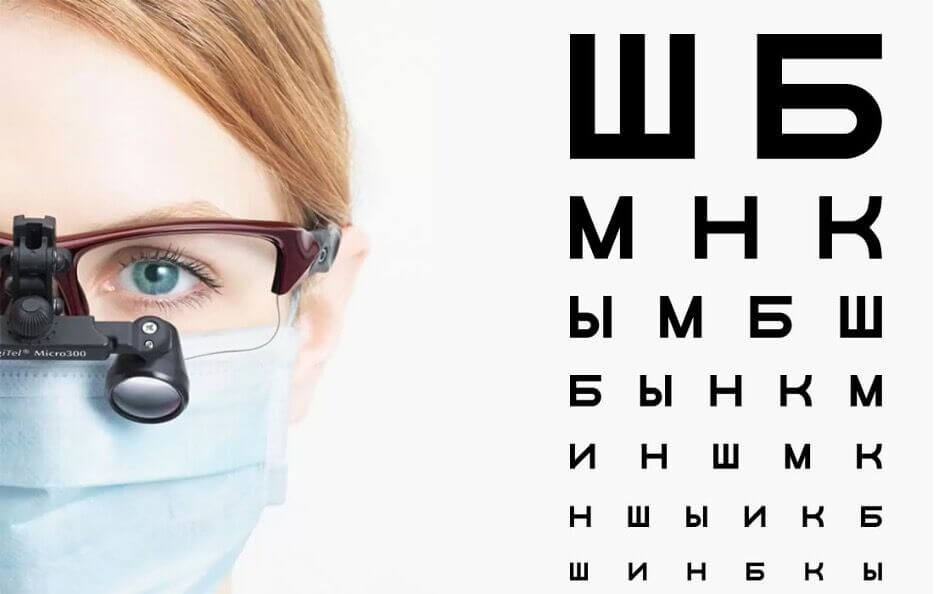
Eagle Eye! Healthy Vision Day Practices at Rosgeologia Holding
The article presents the experience of the Rosgeology holding in organizing an annual Healthy Vision Day for employees based on the global practice of World Sight Day. The material describes in detail the format for conducting free express diagnostics on company premises without interrupting production, the selection of glasses, and the operation of online booking to prevent queues. The article demonstrates how such preventive measures help raise employee awareness of eye health, reduce workplac...

Can You Save Yourself? The Practice of Issuing Self-Rescuers to Employees
The article discusses the practice of providing employees with filtering self-rescuers during introductory occupational health and safety briefings to protect respiratory organs during evacuation in fires or accidents. It considers the types of self-rescuers, the procedure for their application, as well as the benefits of issuing them to protect workers' health and comply with fire safety requirements. In addition, the material pays attention to organizing staff training on the rules for using t...
Remote Site Worker – How to Conduct a Medical Exam? Telemedicine Helps! Experience in Implementing Occupational Health for Rosgeologia Holding Employees
Implementation of telemedicine technologies for remote pre-shift medical examinations of workers at remote sites. The use of automated terminals eliminates the human factor, detects faking and identity violations, and reduces company costs compared to traditional VHI.

Team Health Management Across Geographically Distributed Company Facilities
Implementation of a unified interactive platform for managing medical examinations in a geographically distributed company. Using remote medical examinations (RME) for drivers and forming cardiovascular risk groups with subsequent in-depth screening and preventive measures for production and office staff.

HSE Management System: A Course on Worker Safety
Implementation of an original 12-element human-centric and risk-oriented HSE model. The model divides incident causes into unsafe acts (direct and indirect) and unsafe conditions (eliminable and manageable), forming protective barriers for each, including commitment development, telemedicine, root cause analysis, and personnel involvement.