Proactive Prevention of Burnout Syndrome in Modern HSE Systems: The Sovcombank Case
The modern concept of HSE is evolving from a strictly regulatory approach aimed at compliance with safety requirements to a holistic model where employee well-being is the central element. Given the high work intensity in the financial sector, multitasking, and constant market pressure, the key risks for an organization are no longer just occupational injuries, but also psychosocial factors leading to burnout syndrome. For a large, distributed structure like our Bank (over 36,000 employees, more than 2,000 branches across Russia), this problem is exacerbated by the geographical spread of the Bank's offices and branches.
Imagine the workload of a manager in a small regional branch who deals with clients, targets, and reports every day. Now multiply that by thousands of people. Coal dust or the noise of a machine tool are not our main occupational hazards. Our hazard is silent but destructive stress, emotional burnout, and the feeling of being a "hamster in a wheel."
Sovcombank approached this problem not as repairmen patching holes, but as architects designing an environment where people simply do not want to burn out.
What is it?
Sovcombank has set up coworking spaces in two beautiful locations — the mountains of Sochi and Gorno-Altaysk — creating fully equipped workspaces there. Employees of all levels and departments participate in the program on a rotational basis. Groups of 50 people are formed and sent to one of the two locations: the mountain cluster in Sochi or Gorno-Altaysk. The year-round operation ensures equal access for all employees.
How does it work?
- Working, but differently. Not five days, but four. These four days in a new, inspiring environment are enough to accomplish more work than in the office. This is because the mind is fresh, and the mountain view from the window boosts incredible productivity.
- Resting mindfully. All-inclusive meals are provided, minimizing everyday chores. There are three days off, during which employees are offered organized excursions, sports events, and joint outdoor leisure activities.
- Integration effect: the coworking space naturally solves the challenge of cross-functional collaboration, as groups consist of employees from different regions and departments, which strengthens the corporate culture.
- A trip to the coworking space is an element of the employee motivation system, as only the best get to go.
The Employee Net Promoter Score (eNPS) has increased. Employees have started recommending the bank as an employer more often. In 2024, the eNPS of the Bank's current employees reached 86.
The experience of implementing the "coworking" project demonstrates that investing in the psychological well-being of employees is not just an element of the benefits package, but a strategic contribution to the company's human capital and operational resilience. Traditional approaches to HSE are often reactive (dealing with consequences). Programs of this type allow us to stay ahead of the curve, preventing crisis states among staff.
Thus, the "coworking" project can be considered a successful case model for implementation in other large distributed companies where the risks of professional burnout are a significant threatening factor.
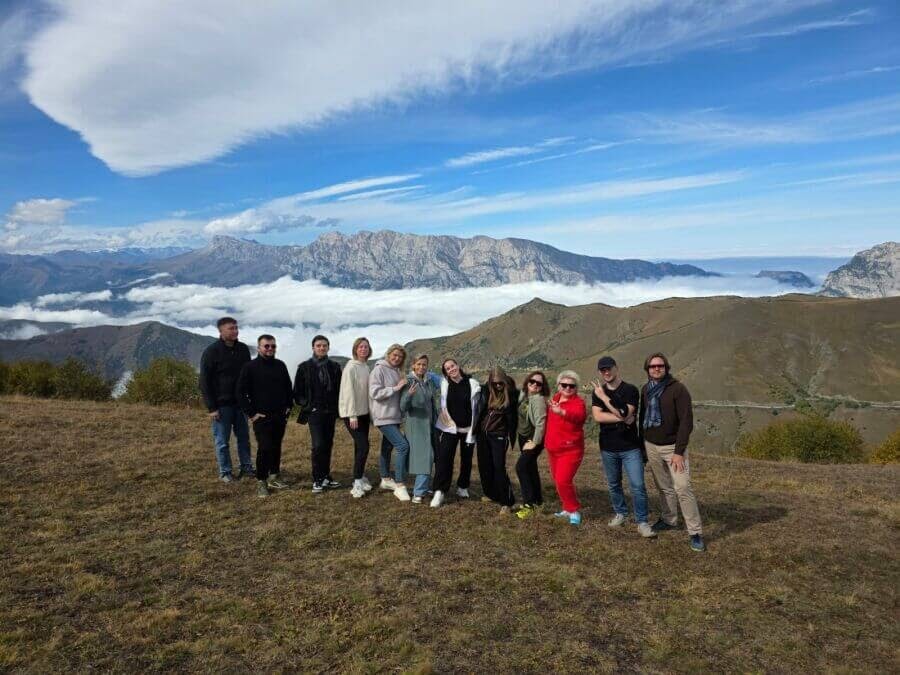
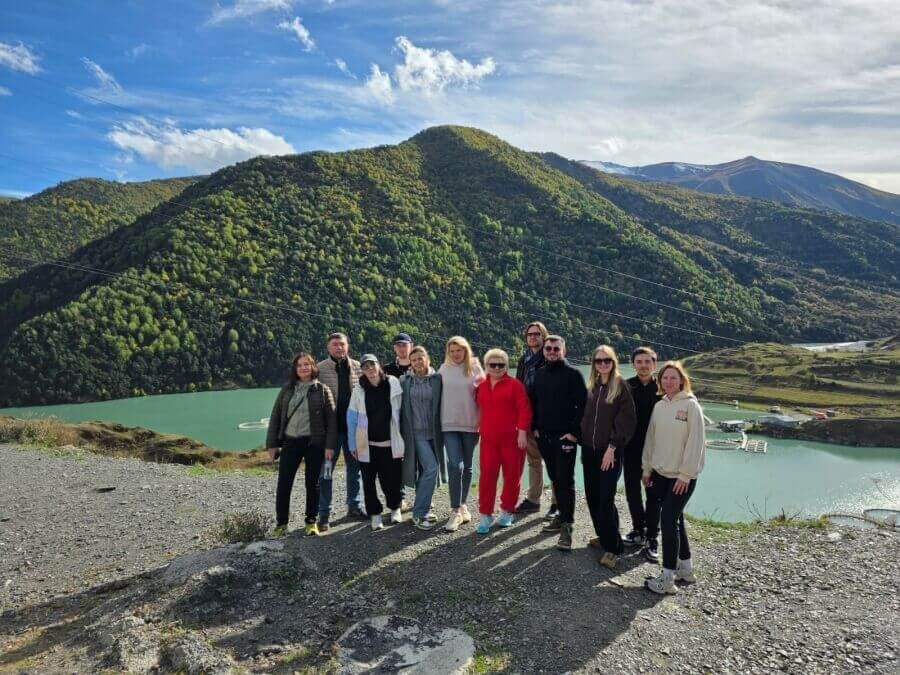
I personally traveled to the coworking space in Altai to interact with the team. And I saw not "burnt-out" eyes, but shining ones. I heard ideas, not complaints. People return transformed — rested, full of energy, and with a renewed love for their work and the company.