#Qualification
Training and certification of personnel: regulatory compliance, competency matrices, and clearance for dangerous work (e.g., electrical safety). Showcases practical approaches to enhancing the professionalism of staff and verifying contractors' skills before work begins.
"External Knowledge Assessment" Project. Development of Knowledge Matrices for Drilling and Well Intervention Crews
Implementation of a remote HSE knowledge testing system for contractor personnel using AI proctoring. Development of specialized knowledge matrices involving contractor experts and integration of testing results into an automated facility admission system.

Development of HSE Technical Training Elements in the Fertilizer Division of EuroChem MCC JSC
Creation of training grounds to practice hard skills in occupational and industrial safety. The system includes modular training with increasing scenario complexity, integration of safety procedures (e.g., LOTO) into basic technical processes, and objective knowledge assessment via checklists, including for contractor admission.

Development of a Training System for Drilling and Well Intervention Specialists
A multi-level training system for supervisors on regulatory and methodological documents (RMD), combining face-to-face and online formats. The practice includes cascading knowledge, dividing responsibility for RMDs between departments, and automating testing to increase awareness of safety rules compliance.

Progressive Technologies for Preventing Unsafe Acts and Operator Errors
A comprehensive approach to preventing unsafe acts by personnel through psychophysiological assessment and VR training. Implementing a multi-level candidate filtration and pre-shift control system to identify risk and stress tendencies, alongside VR simulators to build safe behavior reflexes under time pressure.

How to Organize PPE Training
With the entry into force of Decree No. 2464, employers faced the need to qualitatively organize a new type of training — on the use of personal protective equipment. The article presents practical experience of organization: from approving lists of PPE and categories of workers to forming the material and technical base and developing the program. The author also analyzes the difficulties of taking into account the characteristics of specific PPE models from manufacturers and invites colleagues...

Tool for Engaging Students in the "HSE Specialist" Profession
A career guidance program for schoolchildren (grades 5-9) and kindergarteners aimed at early formation of a safety culture and popularization of the HSE specialist profession. It includes adapting corporate risk assessment tools (the "Five Steps" method) for everyday situations, such as roller skating.

An Approach to HSE Training for Managers and Specialists
The article is devoted to improving the quality of training for managers and occupational health and safety specialists based on an activity-based approach and modern educational technologies. Within the framework of this approach, learners independently develop knowledge and skills when solving practical tasks, for example, in the format of business games. This contributes to the development of an occupational safety culture, which is necessary for effective occupational health and safety manag...

HSE and Fire Safety Training: Implementing Modern Approaches and Training Methods as Effective Tools for Safe Behavior
Transition from formal HSE and fire safety training to interactive multimedia courses with gamification elements. Implementation of 24/7 remote access to training materials via a corporate platform and mobile devices, which allowed automating the formation of training groups and increasing employee engagement.

HSE Training: How to Move Away from Formalism, Incompetence, and Influence Awareness?
Transformation of the corporate HSE and industrial safety training system, shifting from a formal approach to a "flipped classroom" format. Implementation of short video lectures for independent theory study and the use of face-to-face or online trainings for practical skills, including virtual risk assessment using 360-degree video. Application of emotional context and analysis of real incidents to build a conscious attitude towards safety.
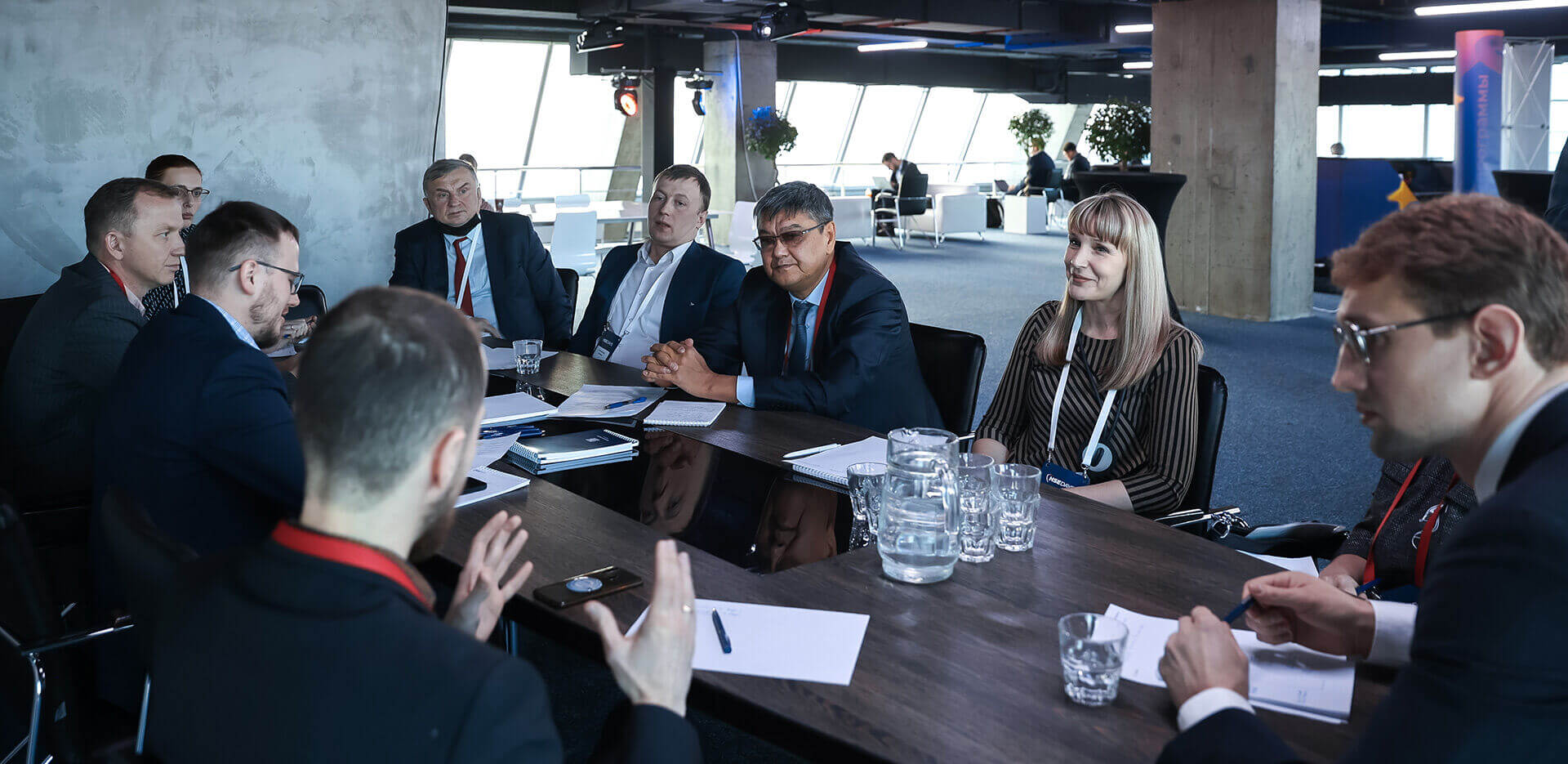
Registration Open for the Mastermind Session "Leadership and Professional Development"
On October 03, 2022, in-person and online mastermind sessions "Leadership and Professional Development" will take place, moderated by Tatyana Borisova. At the meeting, participants will be able to analyze team management cases, discuss effective communication practices, and create a personal development plan. The group format of the mastermind allows working out solutions upon request of each participant and tracking personal progress.

HSE Specialist Code of Conduct
Development and application of an internal code for an HSE specialist. The code serves as a hiring filter, a self-control tool in complex ethical situations, and a foundation for forming unified professional beliefs within the team.

Towards Zero Injuries. The Rosatom Experience
A systematic project to transform the safe behavior culture across a large corporation, aimed at achieving zero injuries. It includes abandoning department ratings, implementing safety dialogues, problem-solving boards, and developing a network of local trainers.