#Road safety
Commercial road safety and safe driving culture on an industrial scale. Addressing motor vehicle mortality via fatigue control systems, telemetry analysis, and defensive driving programs for large fleets.

Reducing Seasonal Accident Rates
Transformation of the road safety management system based on a deep analysis of accident causes. Implementation of automated contractor notifications, task systems, and electronic attendance tracking for safety stand-downs to reduce seasonal accident rates.
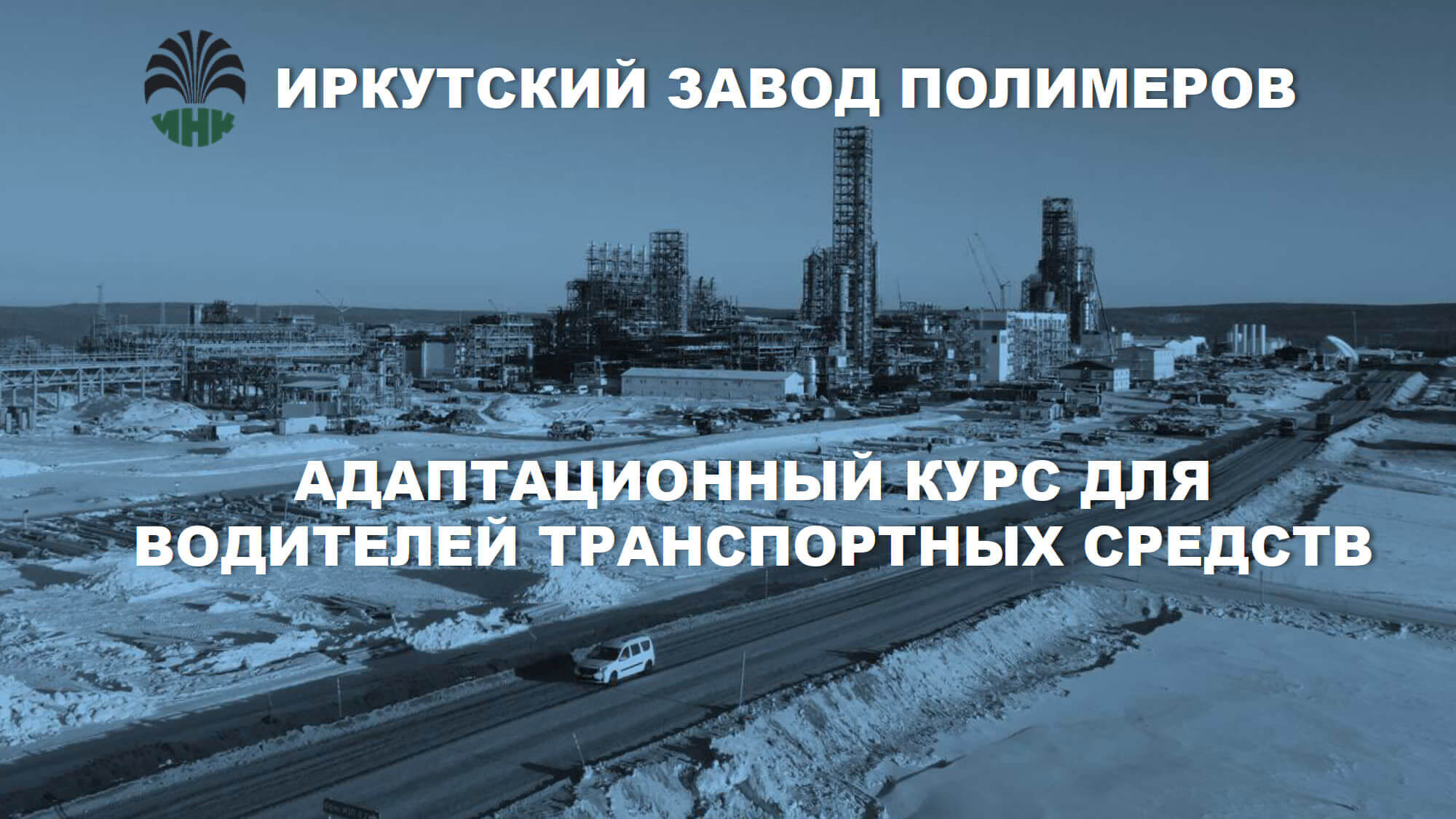
Induction Video Course for Drivers
The article describes the creation of a 12-minute orientation video course for drivers starting work at the Irkutsk Polymer Plant. The training video clearly demonstrates local road safety rules and the consequences of non-compliance, helping drivers without experience at the enterprise avoid dangerous situations. The video material was prepared by an employee without involving an external filming studio, which saved the company's budget, and is now actively used in safety briefings, on informat...

The "Carrot and Stick" Approach to Managing Drivers
An effective road safety system at an enterprise requires comprehensive work with drivers of contractor organizations who often start work without knowledge of local rules. The article examines how, instead of relying exclusively on penalties, adaptation courses, defensive driving training, and regular meetings for dialogue with drivers can be used. Such an approach helps drivers realize their key role in ensuring safety and allows reducing the number of violations at the facility.
Reducing Traffic Accidents on the Roads of the Irkutsk Polymer Plant
A comprehensive approach to managing road safety at a large-scale construction site involving over 1,200 contractor vehicles. Infrastructure solutions (parking lots, signs, clearance frames, pedestrian paths), a satellite monitoring system for speed and work/rest schedules, and an interactive map of road closures have been implemented.

Safety Culture Tools. Best Practices
Implementation of a face-to-face dialogue program with line managers to develop safety culture and overcome a formal approach to rules. Safety culture level is assessed locally using anonymous questionnaires based on seven criteria, mapping results onto the Hudson ladder.

How to Engage Field Team Employees in Personal Safety Issues?
Implementation of a mobile simulation game for HSE training of field team employees (sales representatives, drivers). The game simulates the workday of a manager who must balance generating profit and complying with safety rules while managing subordinates.

First Steps in Safety
Building an HSE management system from scratch in a large company. Implementing daily safety audits with management participation, automating incident tracking (including off-the-job injuries), and creating an institute of internal trainers.
The Role of HSE Professionals
Rethinking the role of the HSE professional by elevating their status, reporting directly to the top executive, and developing internal trainers. Practices include implementing proactive KPIs like audits, contractor control, and training line managers to build a safe behavior culture.

Vehicle Monitoring System
Implementation of a vehicle monitoring system combining on-board telematics, video analytics, and live dispatching. The system monitors movement parameters, detects dangerous driver actions using neural networks, provides voice feedback, and evaluates the effectiveness of line managers in handling violations.


Vehicle Driver Training System
Creation of an internal training center for corporate transport drivers using dynamic simulators and head-on collision simulators. Implementation of a comprehensive training effectiveness evaluation system based on the Kirkpatrick-Phillips model and the use of telematics data to form an individual driver risk profile.

Safe Driving Communication
Multichannel safe driving communication system for a fleet of over 1,700 vehicles. Includes interactive email newsletters with accident analysis, the Mission Zero mobile app with tests and telematics reports, TV panel broadcasts, and engaging online training.


Safety Approach at Heineken
Transformation of safety culture using John Kotter's 8 steps and implementation of a multi-level risk assessment system (from the global office to the work zone). Practices include engaging rank-and-file employees and the opposition in developing initiatives, holding a "Family Safety Day," and applying the Bow-Tie and Fine-Kinney methods for risk analysis.