Life-Saving Skills: First Aid Training
Every year on the second Saturday of September, many countries celebrate World First Aid Day.
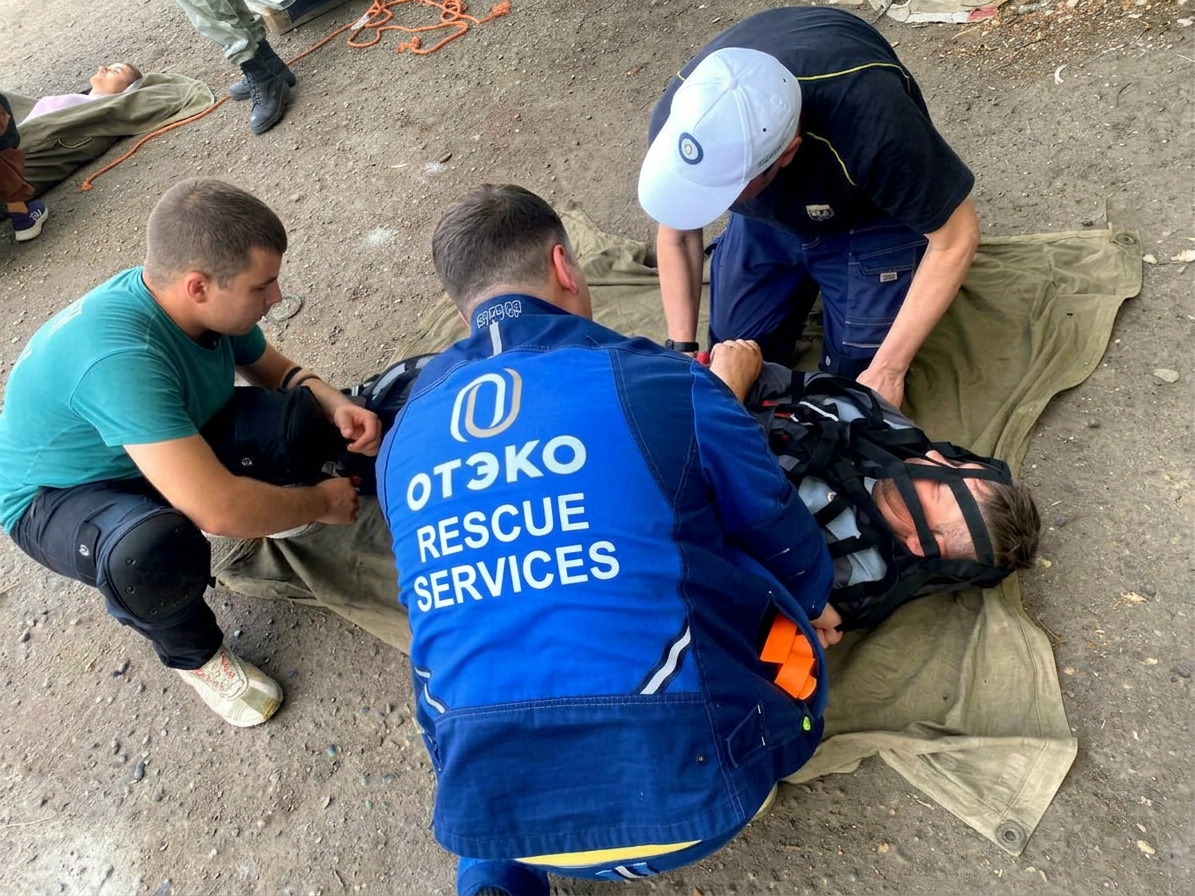
Employee training is one of the key elements of the comprehensive measures implemented at OTEKO to develop its first aid system.
In 2023, 12 employees from various departments were trained and certified as first aid instructors in accordance with the International First Aid and Resuscitation Guidelines of the International Federation of Red Cross and Red Crescent Societies.
In March 2024, instructor-led first aid courses for the company's employees were launched. The training is designed for 16 hours.
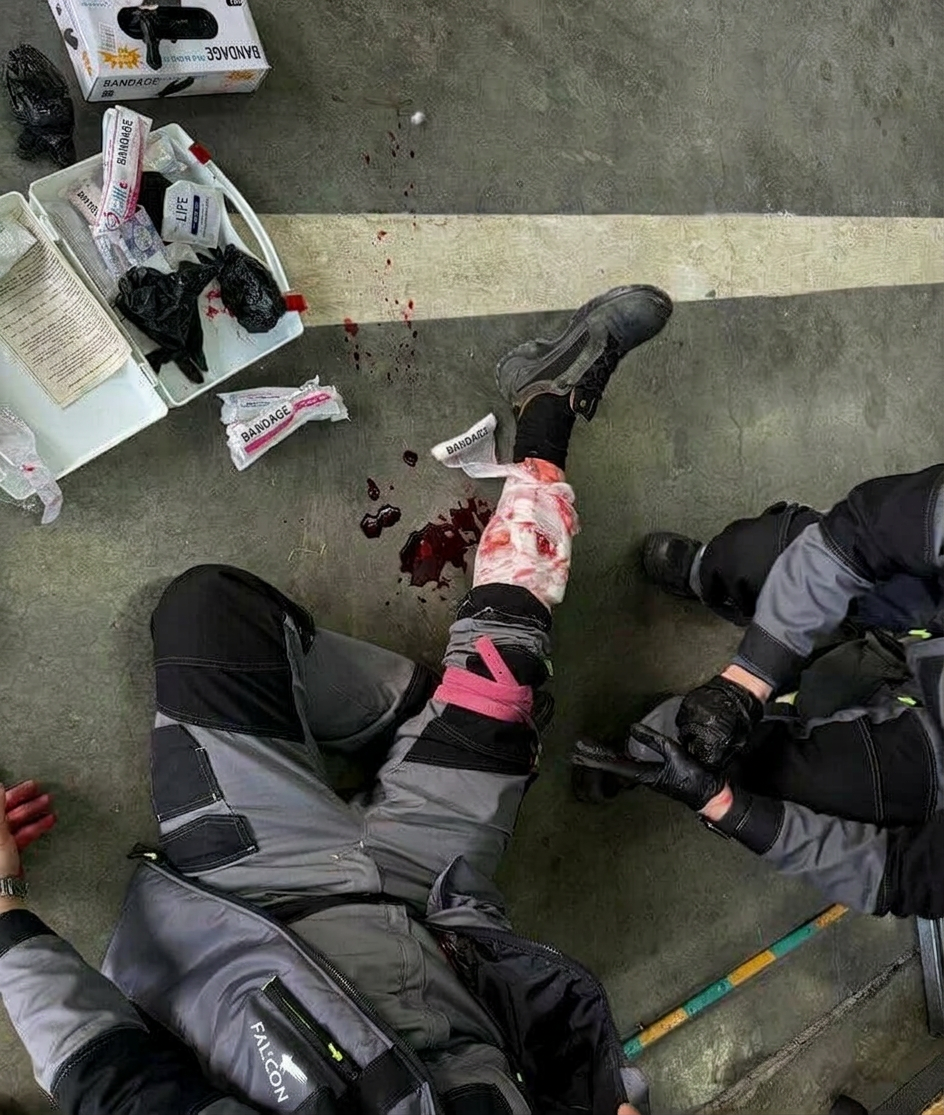
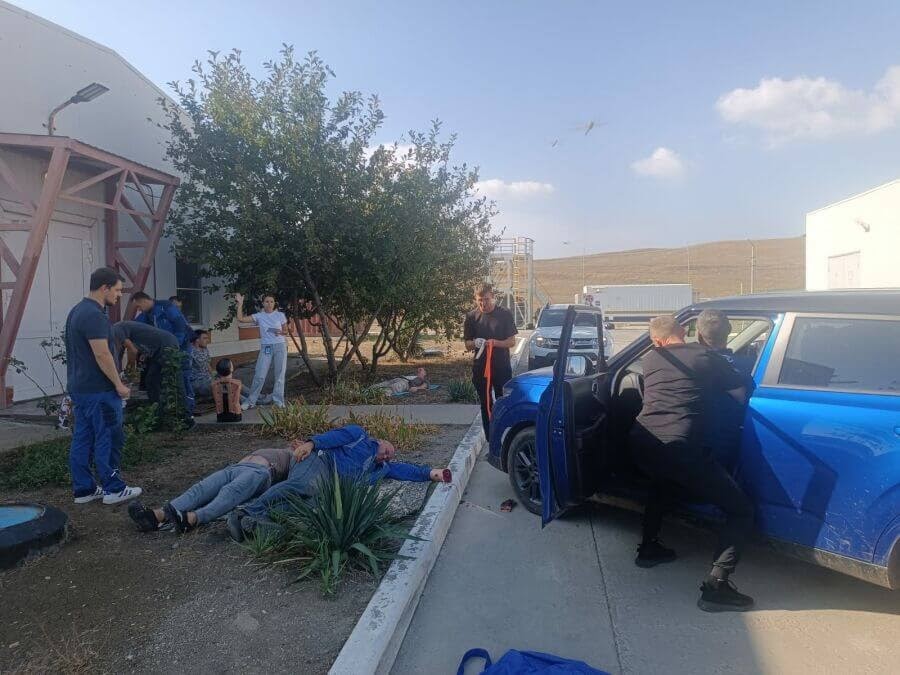
During the courses, we cover not only theory but also pay great attention to practical skill development for providing assistance in cases of loss of consciousness, sudden cardiac arrest, airway obstruction, all types of bleeding, wounds, burns, and injuries. Participants also learn how to help someone suffering from a heart attack, stroke, poisoning, epileptic seizure, or snake, insect, and tick bites before medical professionals arrive. All this takes place in very realistic conditions; for practical skill development, we use role-playing simulations where we try to recreate an emergency environment as closely as possible. First aid skills are practiced on mannequins and with people, using artificial blood and theatrical makeup during simulations. We intentionally create controlled stress situations during the courses so that in real life, regardless of external circumstances, trainees can quickly and accurately perform a specific set of actions. Going through role-playing simulations removes the "novelty" effect from emergency situations. Instead of "I've never seen anything like this before," trainees gradually move to a state of "yes, I've done this in class, so I can do it now."
Great attention is paid to how the material is presented. It is a well-known fact that adults learn best when the material is easy to understand. We do not use medical terms; we explain the minimum necessary theory in simple and clear words and analyze various situations from everyday life.
It is important to us that participants realize they could encounter conditions requiring first aid at any moment and find themselves in a situation where "just walking by" is impossible. To this end, we have also purchased mannequins for practicing first aid skills for children and infants.
In 4 months, more than 250 company employees have been trained. Ideally, we aim to have at least 2 employees in every crew who have completed such training.
In July 2024, the instructor team completed an advanced course in tactical medicine to pass this knowledge on to employees.
In parallel with training OTEKO workers, the instructors conduct masterclasses in schools and sports camps.
For instance, in early September, my colleagues and I conducted a practical session for 30 ninth-graders at School No. 9 in the village of Taman. The most difficult part is psychologically preparing children for possible emergencies. During the modeling of such incidents, children often perceive everything as a game. However, it is important for us not only to convey information but also to drive home the point that in real life, there is not a minute to lose.
The teenagers practiced first aid skills on mannequins. They learned the Heimlich maneuver for removing foreign bodies from the airway, practiced back slaps to help children and infants, and mastered chest compression and artificial respiration techniques for loss of consciousness. Additionally, they learned how to properly apply bandages and tourniquets for severe bleeding.
We strive to involve as many people as possible in the topic of first aid. Sometimes a simple but timely action can save a life.