#Risk management
Comprehensive industrial risk management: building a risk-oriented model, integrating ISO 45001 safety standards, and developing multi-level internal control. Real examples of making systematic hazard minimization an integral part of daily business processes.

How to Manage Incident and Injury Risks in Rail Operations
A comprehensive occupational risk management and injury prevention system for the industrial railway operations of Apatit (a fleet of over 9,000 railcars and 70 locomotives across more than 480 km of track), which has completely eliminated fatal injuries in rail operations since 2022. The practice combines an overhaul of technical training and contractor engagement (a modular rating system, a training railcar, and non-punitive coaching visits to worksites), hazard zone visualization (projected l...

Risk Navigator: How an IT Tool Saves Lives and Budget
Implementation of the Risk Navigator digital tool (mobile and web application) at PJSC MMK to transition from formalistic violation logging to a systematic risk-based approach engaging shop-floor workers and contractors. The system automates risk criticality assessment based on three-year incident statistics, integrates a safe stop-work procedure, tracks the hazard mitigation lifecycle down to root causes, and includes a two-month verification barrier to prevent the recurrence of critical risks....


Lessons from OTEKO and Leningrad NPP: Business Continuity and Motivation in Safety Culture
Aleksandr Kuzin (OTEKO) will explain how to identify critical processes, write a continuity plan and test it through exercises before an incident occurs. Dmitriy Stepanyuk (Leningrad Nuclear Power Plant) will discuss how staff motivation supports safety culture and where its limits lie.

Establishing a Road Safety Culture: The Path from Reactive Firefighting to a Well-Structured Risk Management System
A comprehensive approach to road safety risk management at an industrial site. Implementation of traffic stream separation, driver behavior video analytics, automated medical examinations, and mandatory defensive driving training. Development of vehicle audit checklists, contractor verification, and a system of monitoring KPIs for line managers.

The occupational safety specialist: a profession that never loses relevance
The Deputy Head of the Occupational Health and Safety Service at Mosgortrans on a profession that almost always remains behind the scenes: why an occupational health and safety specialist today works not only with documents, but also with people, how "invisible" work affects company risks and expenses, and why the development of technology makes this role more complex, rather than simpler.

Prequalification: is a stack of documents enough?
86 documents, 42 criteria, 100 points — and still it is no guarantee. The Head of Contractor Safety at Uralkali analyzes what pre-qualification actually screens out, why only 50 out of 80 companies returned the questionnaire, what to do if a contractor is the only one on the market, and why “accidents don't happen every day” is the most honest and most dangerous argument.

Tanks that need no rescue: four layers of protection instead of endless repairs
A tank farm lives between two budgets — for painting and for consequence remediation. OTEKO's Production Safety Director breaks down how to stop fighting design consequences: a dome and internal pontoon instead of floating roof repair, a polymer liner instead of major overhaul, composite roof protection, and two levels of grounding — complete with numbers, regulatory references, and a checklist for the Industrial Safety department.
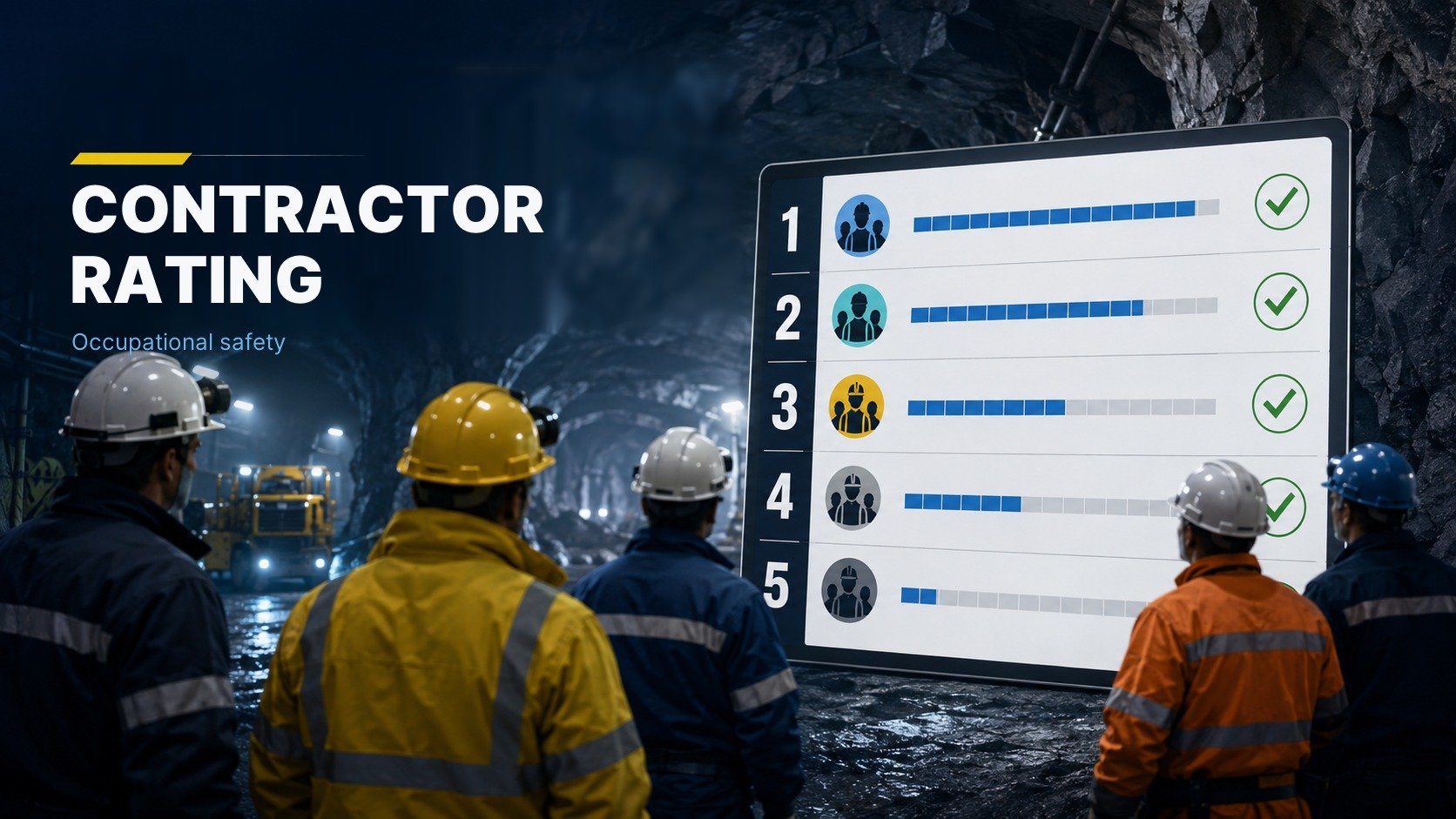
How to turn contractor control into a development system: creating an occupational safety rating
Experience in creating a contractor rating for industrial safety and occupational health and safety: three data sources — work executor assessment, control and preventive inspection, and management system audit — a management cycle instead of one-off inspections and pre-pilot results at a mine: 23 organizations, 36 contracts, growth of the median score of repeat audits from 73 to 91.
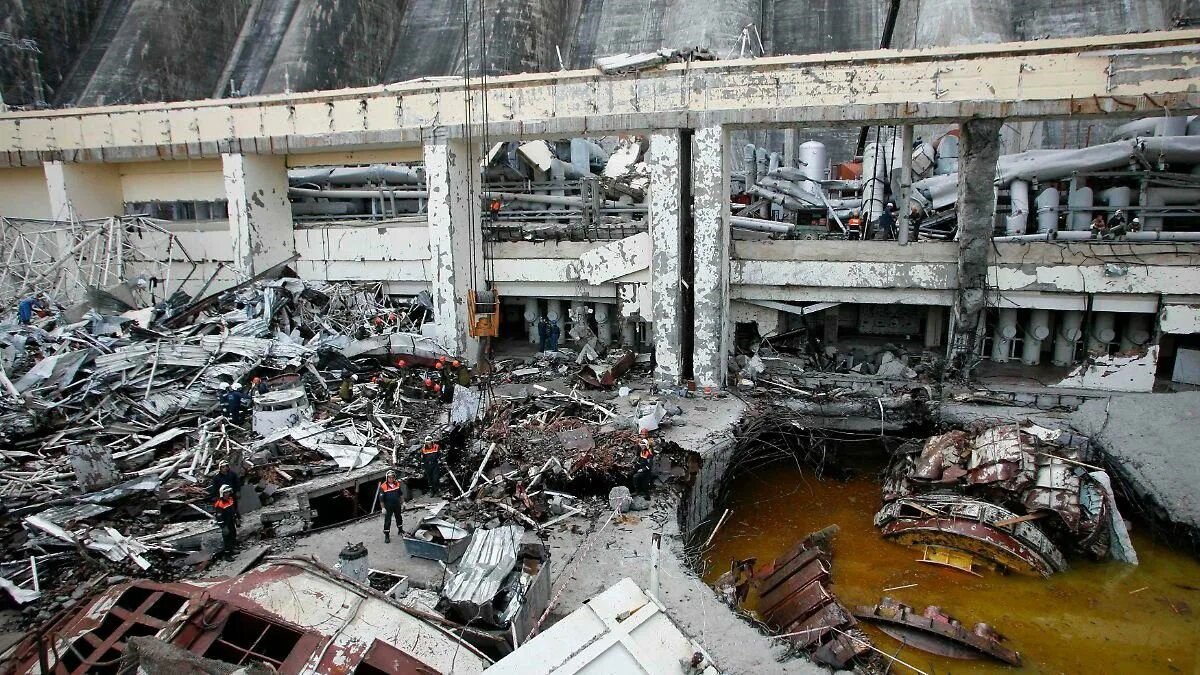
🛡️ Safety: The Sayano-Shushenskaya Dam Disaster Through the Lens of Process Safety
On 17 August 2009, 75 people died at the Sayano-Shushenskaya hydropower plant. We break the accident down element by element against Process Safety Management — and show why the disaster was predictable.

🛡️ Safety: HSE Risk Management — Sharing My Experience
An overview of the occupational health, safety, and industrial safety risk management system at OMK: from methodology to real case studies of fatal risk reduction and automation. Learn how to combine best practices and avoid a formal approach.

Integrating Risk Management Systems into Business Infrastructure
Integration of critical risk barrier control into daily production processes using IT solutions and mobile applications. The practice includes the collaborative development of checklists with production personnel, assessment of the actual functionality of barriers, and linking risk management results to the motivation system (KPIs) at all levels. For continuous improvement, the PDCA cycle is applied with regular audits of system adoption in the field.

Enhancing the HSE Function
Transformation of the HSE function from a supervisory role to that of an internal business partner with deep integration into the work of the technical council. Implementation of the "Safety in Design" principle at the design and equipment procurement stage. Shifting the safety performance evaluation system from lagging metrics (LTIFR) to leading indicators (Near Misses, behavioral audits).