The Power of Partnership: When a Contractor Becomes a Co-Author of Improvements
Transformation of Industrial Medicine: From Formal Contracting to Co-Authorship
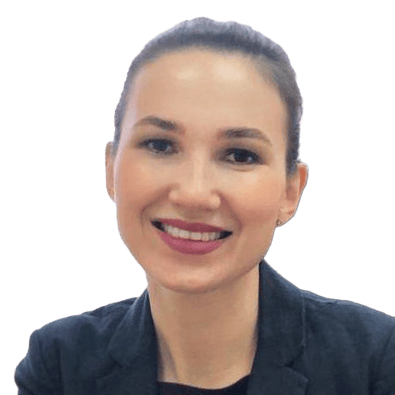
The development of corporate healthcare at remote industrial sites requires a review of the traditional model of interaction with medical organizations. The transition from the "customer-contractor" paradigm to a full-fledged partnership becomes a natural stage in the evolution of safety culture. During her presentation, Diana Bezruk, Executive Director of Medkom, details the process of building such relationships using the example of long-term cooperation with the enterprises of the Zarubezhneft Group of Companies.
The speaker demonstrates in practice how a contractor's initiative, going beyond the strict limits of the terms of reference, allows not only to optimize the employer's costs but also to fundamentally improve the quality of employee health monitoring in the conditions of the Far North and remote fields.
Telemedicine as a Baseline of Safety at Remote Sites
Organizing high-quality medical care in isolated territories is always associated with logistical difficulties and high costs for air ambulance services. The implementation of telemedicine consultations in the "paramedic-doctor" channel has solved this problem.
- What was done: A dispatch center was created to receive video conferencing calls from all remote sites, with direct transmission of vital signs from resuscitation monitors to the on-duty doctor's console.
- Why it matters: In conditions of non-flying weather or the impossibility of emergency evacuation, the patient is under the dynamic observation of a highly specialized expert (surgeon, cardiologist).
- How it works: On-site paramedics receive qualified support, which reduces the risk of medical errors and increases the overall protection of personnel at the site.
Automation of Pre-Trip Inspections: Eliminating the Human Factor
One of the key problems of traditional medical examinations during shift work is the influence of the human factor — personal sympathies or informal agreements between an employee and a medic often lead to the admission of individuals with critically high blood pressure to their shifts.
- What was proposed: Implementation of automated terminals for pre-trip medical examinations (ESMO).
- Why it matters: The system is impartial and completely eliminates the possibility of falsifying measurement results.
- How it works in practice: When the system is implemented, the real percentage of hypertensive patients is revealed. In case of a threefold exceedance of indicators, the terminal blocks admission, and the employee is referred to a cardiologist. They are admitted to the next shift only with a certificate confirming treatment and ongoing medical observation.
On-Site Medical Examinations and Screenings: Fighting Falsification
Undergoing periodic medical examinations at the shift workers' place of residence is often a mere formality. The employer receives certificates whose authenticity cannot be verified, which leads to sudden critical incidents (e.g., strokes) right in the workplace.
To solve this problem, the speaker analyzes the practice of organizing on-site medical examinations directly at the customer's premises. Mobile teams of doctors with expert-class equipment (ultrasound, digital fluorographs) conduct examinations without interrupting employees from production. The process is fully digitized: doctors work on tablets, data is stored on secure servers, and documents are signed with digital signatures.
Special attention in the presentation is given to the initiative of conducting oncological screenings in parallel with scheduled medical examinations. Practice has shown the high efficiency of this approach: detecting diseases at early asymptomatic stages allows for timely treatment and saves workers' lives.
Three Levels of Relationship Development with a Contractor
Summarizing the experience of implementing medical projects, the speaker highlights three stages in the evolution of interaction:
- Technical level: Working strictly within the approved terms of reference.
- Trust level: The customer initiates the expansion of functionality, relying on the successful experience of implementing basic tasks.
- Partnership level: The contractor independently generates ideas and becomes a co-author of improvements, offering innovative solutions (for example, 3D animated educational videos on disease prevention).
What you will learn from this webinar:
- How to organize telemedicine support for paramedics at remote fields?
- How to overcome personnel resistance when implementing automated pre-trip inspection systems?
- How on-site medical examinations help completely eliminate the falsification of medical reports by shift workers?
- How to integrate oncological and cardiological screenings into the standard process of periodic examinations?
- What steps must be taken to transition relationships with a medical organization from a "contractor" format to a strategic partner format?